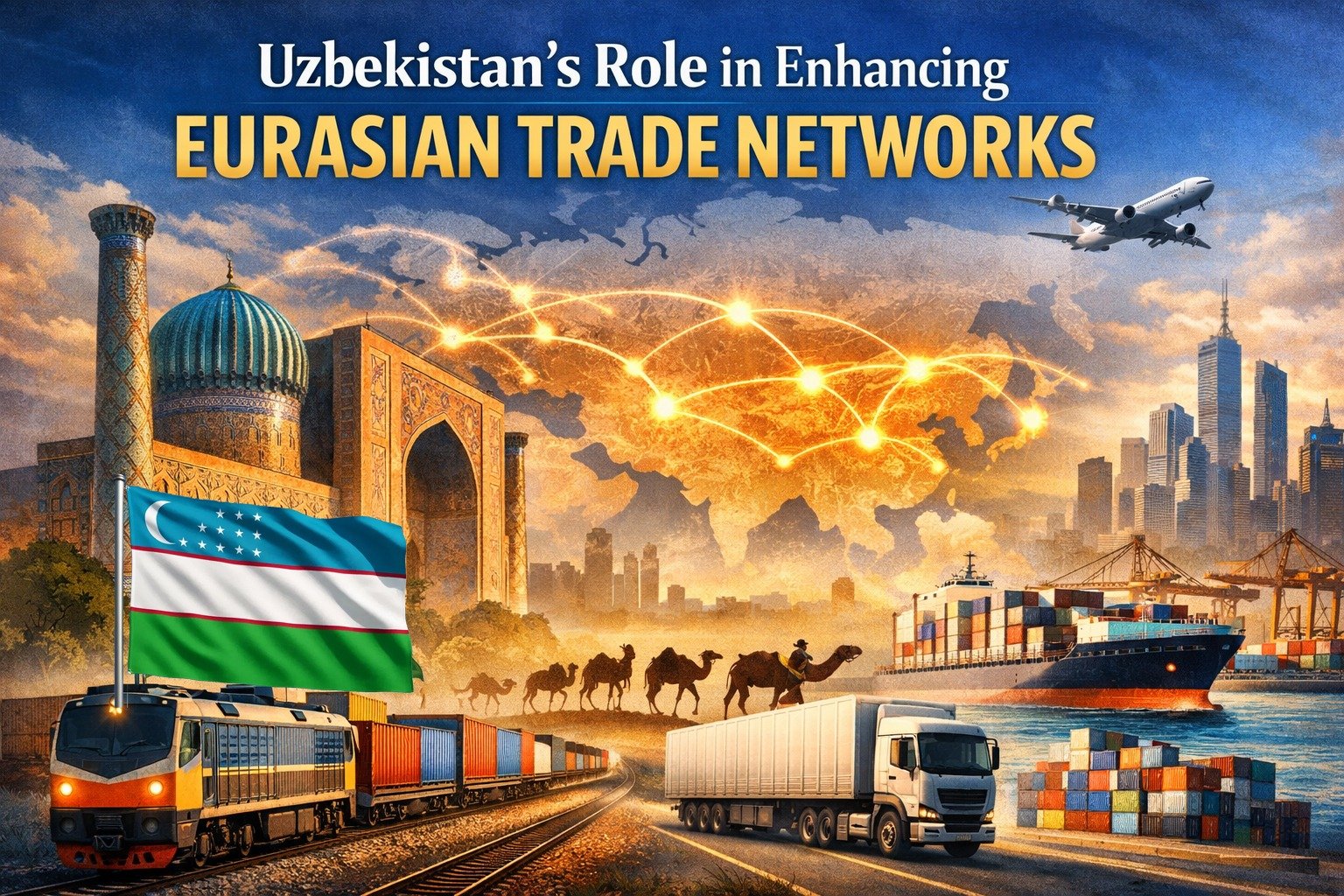
The Belt and Road Initiative (BRI) is a vision of His Excellency President Xi Jinping, which originated in 2013. It was not just a road; it was an initiative that would change the fates of many nations in the future. In the past 12 years, it has connected more than 150 countries through ports, roads, and railway lines. It is a wonder that has contributed to the development of trade and infrastructure across multiple nations worldwide. China has a vision that has contributed to the world, the idea of a true global village, through its Belt and Road Initiative.
As the Belt and Road Initiative reaches its second decade, a question arises in the vast international media. How green is the Belt and Road? As the global attention turns over to sustainability, is China favouring short-term economic gain over the long-term sustainability promise to the nations that share a future with China? Is the belt really green or brown?
Early Expansion and Environmental Challenges
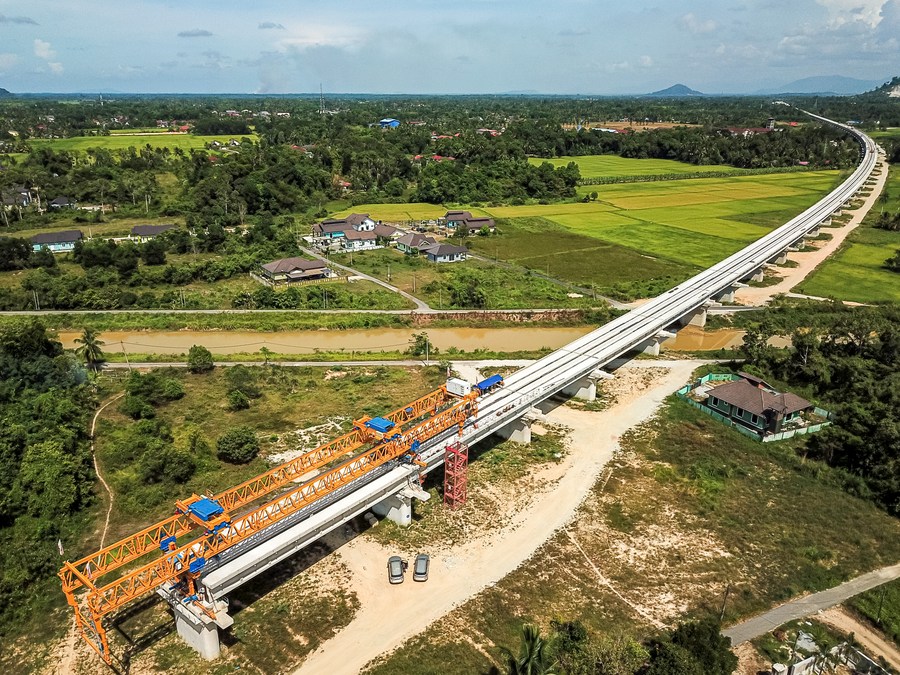
In the early stages of development of the BRI, China mainly followed the “first build and clean later” policy. Initially, China focused on filling the infrastructure deficits of partner nations of the BRI. Many of the partnering nations needed emergency infrastructure developments like highways, energy, industrial processes, and other development projects. Projects such as power and highway projects in Africa, ports and power projects in Asia, and digital and green projects around the world. These projects lead to a material increase in job opportunities.
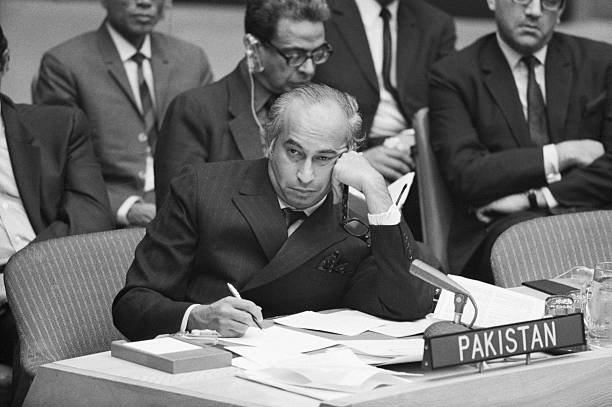
However, the pace and scale of the project led to some environmental challenges. The initial development heavily relied on fossil fuel-powered energy like coal and petroleum, and other climate hazards, including heavy deforestation for roads and land usage changes that led to environmental disruptions and ecological hazards for local wildlife. The China-Pakistan Economic Corridor (CPEC), for instance, expanded its power capacity and involved heavy deforestation for road manufacturing processes.
These projects reflected the developmental priorities for the time, boosting growth and addressing energy shortages, and they also provided a base for the need for stronger environmental protection regulation for these large infrastructure projects.
The initial developmental process heavily relied on providing solutions for the energy crisis and rapid infrastructure development, ignoring the sustainability factor for the time being.
The Turning Point: Toward a Green Belt and Road
2017 was the time period where green BRI has its roots buried. This year Belt and Road Ecological and Environmental Cooperation Plan and Guidance on Promoting Green Belt and Road were developed in order to cope with and counter the adverse effects of this initiative. With these steps, China stepped towards a more sustainable plan framework. These documents were the basis of the implementation of the Green BRI policies in the partner countries.
China shifted to more environmentally friendly energy production methods in the partner countries even stopped the production of coal powered projects in Africa and other nations. China is going to go green and reduce its carbon footprint. China is promoting clean energy sources like wind, hydro, and solar power generation. His Excellency President Xi Jinping is playing a major role in the transition to a greener shared future.
Since then, many nations associated with BRI has adopted greener alternatives like “the Zhanatas Wind Farm” in Kazakhstan, “Benban Solar Park” in Egypt and many more. These initiatives demonstrate how the BRI is aligning its developmental goals with environmental protection goals.
Progress and Ongoing Challenges
While China and the BRI have directed a sustainable process path but still many challenges still bother the global stakeholders. Standards and operational capabilities vastly vary among partner nations. Some projects face issues in implementation due to limited resources and has limited impact or inconsistent monitoring practices.
The implementation of policies is a large problem in these large projects, and some believe that the word “Green BRI” will become more aspirational than operational if the policies are not strictly applied. The Chinese government and ministries have introduced the Green Investment Principles for the Belt and Road (GIP), which are the rules and set of guidelines for evaluating and financing to promote responsible investment practices.
Why a Green Transition Benefits All Partners
BRI is adopting environmentally friendly standards to ensure the safety and long life of its infrastructure projects. Many partnering nations in the BRI initiative are either directly or indirectly affected by the outcomes. Climate change is a threat to the whole global population.
The Paris Agreement, under which many developing countries plan to diversify their energy sources and meet their climate commitments. China is helping partner nations to transition from the primitive energy production techniques to more sustainable and greener ones. The alternatives range from hydro power and solar panels to wind energy.
Looking Ahead: Building a Green and Inclusive Belt and Road
As the world moves toward the UN’s 2030 Sustainable Development Goals (SDGs) and global carbon neutrality targets, the BRI’s next decade offers a unique opportunity to integrate environmental priorities more deeply into its framework.
BRI is closing on its environmental gaps as the world approaches the UN’s 2030 Sustainable Development Goals (SDGS) and global carbon neutrality targets. In this regard, the BRI has taken many practical steps, and some of these include:
- Coal exit policy (2021): President Xi Jinping announced that China will not be building coal-powered energy generation plants abroad, reducing the carbon footprint by a huge margin.
- Establishment of green investment policies (GIP): The city of London and China co-founded the GIPs. The reason to integrate the climate risk assessment and ESG (environmental, social governance) into their investments
- Green BRI fund and Green investment funds: these funds support renewable energy, environmental restoration, and reforestation in partner countries.
- Belt and Road Initiative International Green Development Coalition (BRIGC): The BRIGC is cofounded by China’s MEE and UN Environment program that includes over 150 partners from over 40 nations working on green technology, climate restoration, and sustainable infrastructure.
- Portfolio shifts: a shift in investment portfolio from less than 30% in renewable energy methods in 2015 to 65% in 2023.
These measures clearly define the practical implementations of the green BRI policies to action.
A Conclusive Road to Shared and Sustainable Prosperity
From the formation of the BRI 12 years ago till today, the initiative has set the world on a different path than we anticipated. From rapid expansion in infrastructure to a much more balanced and sustainable developmental path, the journey was not a straight path rather a set of tight curves and steep ups and downs.
The transition from a “Green Belt or a Brown Belt” to a mix of green technology, green practices, and exponential growth.
A greener world is a better world, and the efforts China is putting forward through the Green BRI are unmatched. Though many propagandas have tried to harm the Belt and Road initiative but it stands tall with the unmatched contributions to a better shared future and a greener and sustainable world.

Participant of ICSF-UoS Fellowship Program 2025-26 at University of Sargodha.