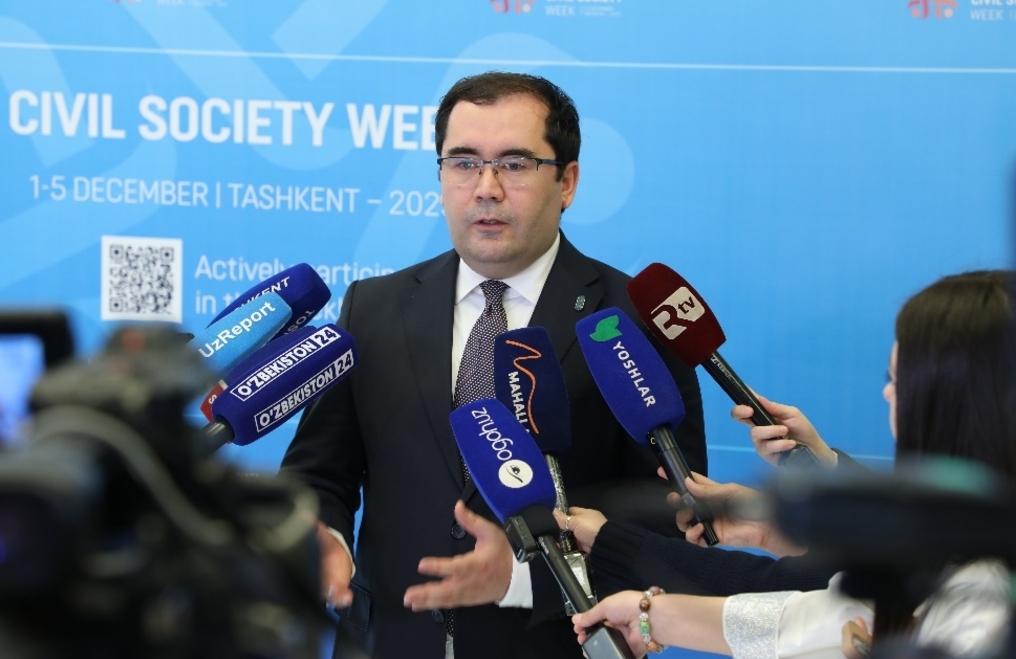
Tashkent, December 3, 2025 – The Europe Today: As some states debate how to reinvigorate democratic participation and rebuild public trust, Uzbekistan’s Civil Society Week exemplifies a shift towards more inclusive governance through open dialogues, public hearings, and policy discussions that reflect the scale of reforms now reshaping citizen-state relations in Central Asia’s most populous country.
At the centre of these developments stands the Uzbekistan-2030 Strategy, a comprehensive modernisation agenda described by local experts as a ‘national platform built with citizens and for citizens,’ signalling a move towards more participatory policymaking.
A Break with the Past
For decades, civil society in the region was seen as peripheral — formally recognised, but with limited influence. Uzbekistan’s recent trajectory signals a strong commitment to meaningful change, inspiring confidence among policymakers and civil society that reforms are genuine and impactful. Since 2016, the government has embarked on a reform agenda that places transparency, accountability, and civic participation at its core. The idea is simple: a modern state must not only provide public services but also listen, explain, and remain accountable to its citizens — a principle repeatedly affirmed by officials and experts during the week’s events.
From Consultation to Co-Creation
What makes Uzbekistan’s current reform cycle notable is not only the scope of legislative and institutional changes but also the active role of the Development Strategy Centre, which has become a key driver of participatory policymaking and civic engagement.
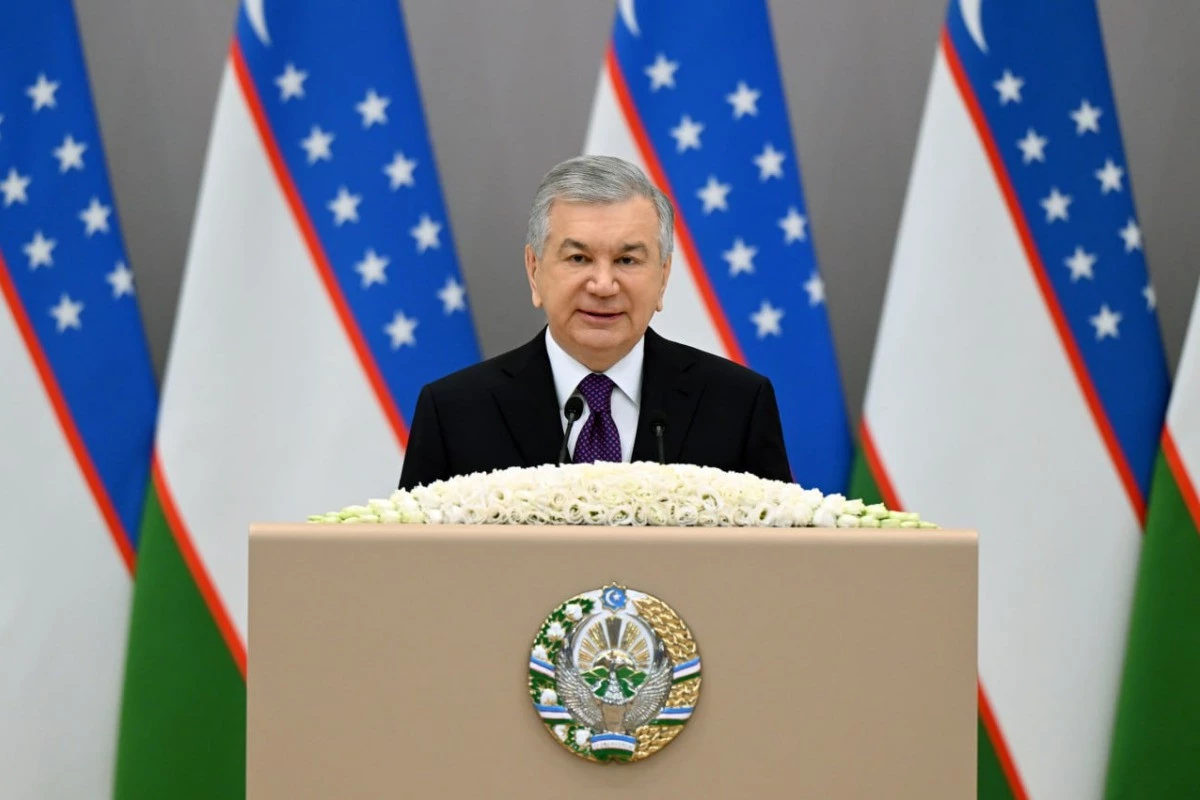
During Civil Society Week, the DSC convened a major roundtable titled “The Role of NGOs in Implementing the Uzbekistan-2030 Strategy”, bringing together ministries, civil society organisations (CSOs), international organisations, and the media. The message delivered by DSC Executive Director Eldor Tulyakov was clear:
Reforms cannot succeed without civil society; NGOs are the bridge between state and society.
This is more than rhetoric. In the last year alone, the Centre organised 65 public hearings and consultations, travelled to key regions to assess how reforms are implemented on the ground, and submitted multiple analytical reports directly to the Presidential Administration based on citizens’ feedback. Such measures are gradually institutionalising civic participation.
Legislative Changes That Matter
European observers often focus on whether civic engagement is symbolic or genuine. In Uzbekistan’s case, several reforms point to structural, not decorative, change:
• New legal protections for NGOs, including penalties for unlawful interference in their activities.
• Strengthened mechanisms of public oversight, obliging state institutions to respond to civil society analyses, recommendations, and monitoring reports within strict deadlines.
• Reduced administrative burdens on CSOs, from registration requirements to reporting obligations.
These changes — part of a wider legislative package adopted over the last two years — reflect a systematic attempt to create an enabling environment for civic activism and social partnership.
Digital Transparency: The Uzbekistan2030.uz Platform
Perhaps the most innovative element highlighted during the event is the launch of uzbekistan2030.uz, a public monitoring platform created jointly by the Development Strategy Centre and government institutions.
The portal provides open data on all targets of the Uzbekistan-2030 Strategy and annual state programmes, tracks progress, collects citizen feedback, and hosts sector-specific dashboards. For a country previously ranked low in global transparency indices, this represents a significant institutional leap. During Civil Society Week, the platform was publicly demonstrated — an important signal of the government’s willingness to be evaluated by society itself.
Why It Matters for Europe
European policymakers are interested in a more open, resilient, and citizen-responsive Uzbekistan. The EU is already expanding cooperation with Central Asia in governance, green transition, civil society development, digitalisation, and human rights. A more participatory governance model in Uzbekistan strengthens regional stability, supports rule-of-law reforms, and opens new avenues for civil society networks across the EU–Central Asia space.
Moreover, Uzbekistan’s policy shift challenges outdated assumptions about the region. Central Asia — particularly Uzbekistan — is emerging as an active laboratory of civic innovation, especially in digital participation and community-level engagement.
A Long Road Ahead, but a Clear Direction
No transformation is without challenges. Institutional change takes time, and public expectations rise quickly. Yet the direction is unmistakable:
Uzbekistan is building a governance model in which civil society is not an afterthought but a co-author of national reforms.
In the past five days, NGOs, experts, parliamentarians, ministries, and international partners gathered not just to celebrate achievements but to evaluate progress, identify gaps, and co-design solutions. This collaborative approach demonstrates a shared commitment to building an inclusive governance model where civil society actively shapes reforms, fostering optimism among all stakeholders.
In an era when many societies grapple with disinformation, polarisation, and diminishing trust, Uzbekistan’s approach offers a refreshing and pragmatic lesson: sustainable reforms require the voices of citizens not at the margins, but at the centre.