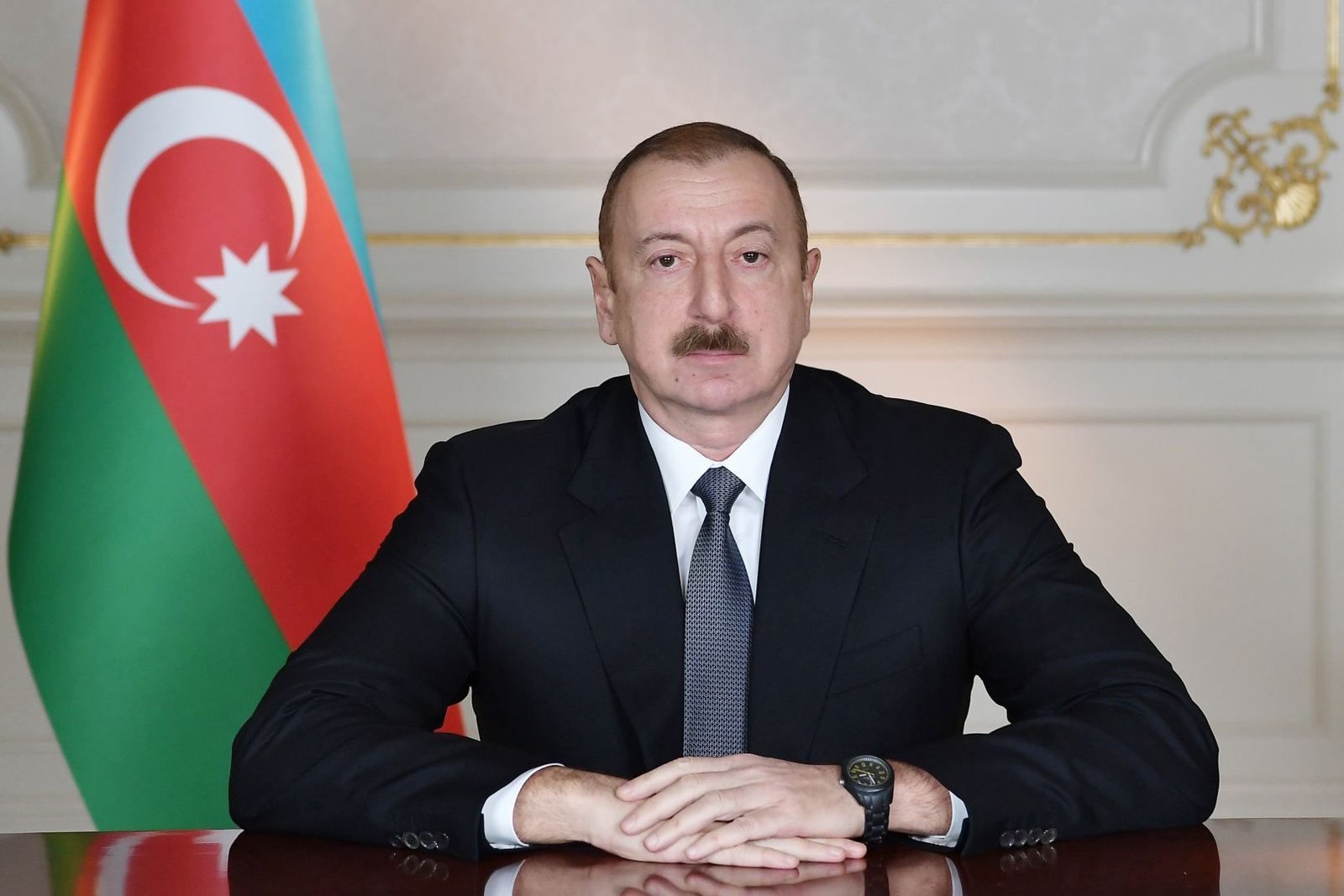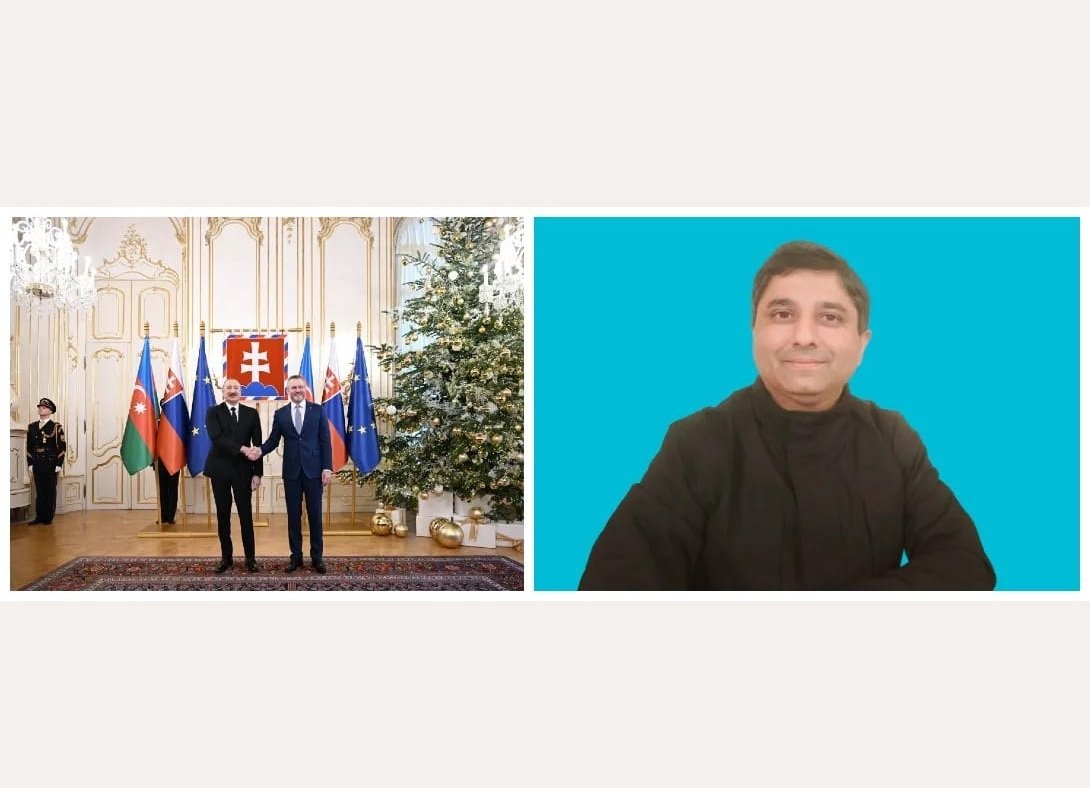
In the wake of President Ilham Aliyev’s historic first official visit to Slovakia, Azerbaijan–Slovakia relations have entered a new era defined by strategic depth, diversified cooperation, and shared geopolitical vision. The meetings in Bratislava highlighted the remarkable evolution of bilateral ties—from diplomatic goodwill to concrete, forward-looking collaboration in energy, defense, technology, and connectivity.
To understand the broader significance of this visit and its implications for regional and European dynamics, The Europe Today conducted an exclusive interview with Mr. Muhammad Ali Pasha, Chairman of The Gulf Observer Research Forum, renowned foreign affairs expert, writer, poet, and Patron-In-Chief of The Gulf Observer.
Below is the full conversation exploring the strategic dimensions of this milestone visit.
The Europe Today (TET):
Mr. Muhammad Ali, President Ilham Aliyev’s first official visit to Slovakia has been described as historic and strategically significant. How do you interpret the importance of this visit?
Muhammad Ali Pasha (MAP):
This visit is historic indeed. It was the first time since the diplomatic relations were introduced that an Azerbaijani President made a trip to Slovakia. It is more symbolically seen as a mutual respect and recognition. It would be strategic to change the polite bilateral relations to a partnership that is focused on results.
Both Azerbaijan and Slovakia are the rising force in regional politics, Baku as an energy superpower and the crossroad between the East and the West, and Bratislava as a more and more influential voice at the EU. The visit of President Aliyev provided the necessary processes to take their relationship to new heights as they would be partners in the practical cooperation of energy, defense, technology, and connectivity.
TET:
Energy cooperation was clearly at the center of discussions. Why is Azerbaijani gas so important for Slovakia?
MAP:
Slovakia is one of the EU countries that are seeking an alternative because the EU intends to eliminate its imports of Russian gas. The Azerbaijani gas has become critical due to the fact that Baku is a dependable and politically stable and growing source of energy.
Now Azerbaijan exports gas to 14 countries listing half of its 25 bcm exports to Europe. Last year Slovakia was added to this list. This diversification enhances the energy security of Slovakia and enhances the credibility of Azerbaijan as a reliable energy partner of Europe.
This is not just an energy deal—it’s geopolitical stabilization.
TET:
President Aliyev mentioned that relations have reached a “strategic partnership” level. In your view, what factors enabled this rapid evolution?
MAP:
Three main factors:
- Shared Geopolitical Realities – Both states understand the need for balanced, diversified international partnerships.
- Expanding Economic Complementarity – Azerbaijan offers energy and strategic connectivity; Slovakia brings industrial expertise and EU market access.
- Mutual Diplomatic Effort – Opening embassies, forming joint commissions, and hosting high-level visits created institutional depth.
This is how bilateral relations evolve—from conversation to meaningful collaboration.
TET:
Defense cooperation was another important dimension. How significant is this for both countries?
MAP:
Extremely significant. Slovakia boasts of self-propelled artillery, ammunition and defense technology. Azerbaijan, that has emerged successful in the liberation war and now is reconstituting Garabagh, is enlarging and upgrading its defense sector.
Bilateral production can enable the two nations to:
- integrate their strengths,
- improve their defense autonomy, and
- go after the world market of defense.
It’s a win-win partnership.
TET:
The two sides also discussed technology, innovation, and data centers. Sir, how do you view these prospects?
MAP:
Azerbaijan seeks to expand the existing unused capacity of power to 2 GW to 8 GW, which is optimal to feed large data center and AI-directed infrastructure.
This can be an opportunity to the Slovak companies, with their knowledge in technology. Different data centers, AI infrastructure and digital innovation may form a new frontier in the relationship that is completely in line with the global technological changes.
TET:
President Aliyev highlighted Azerbaijan’s role as a bridge between East and West, especially through the Middle Corridor. How important is this for Slovakia?
MAP:
It is extremely important. The Middle Corridor links Central Asia, Caucasus and Europe. Located at the center of Europe, Slovakia will have an advantage of better trade logistics, shortening transportation periods, and entry to new markets.
Investments in transport, infrastructure, and logistics in Azerbaijan have made the country an intermediate country. The participation of Slovakia increases its strategic value to the EU connectivity architecture.
TET:
What does this visit mean for people-to-people and cultural exchange between the two nations?
MAP:
Such direct flights between Bratislava and Baku are an extremely convenient measure. There will also be cultural exchanges, student mobility, collaborative academic research and tourism. These people-to-people relationships are critical to supporting long-term political and economic relationships.
TET:
In your expert view, what is the biggest takeaway from President Aliyev’s visit?
MAP:
The key takeaway is transition.
The relations between Azerbaijan and Slovakia have passed the stage of goodwill and entered the period of practical, mutually profitable collaboration.
In energy security, and defense manufacturing, as well as in artificial intelligence infrastructure and in connections regionally, the two countries are also harmonizing their assets towards a strategic future. This visit gives a new vibrancy to the relationship between them and presents the efficiency and multidimensional foreign policy of Azerbaijan.
TET:
Finally, how do you foresee the future of Azerbaijani–Slovak relations?
MAP:
I see a bright trajectory.
The nations that create equal, multiple, and prospective alliances will prosper as the world geopolitics changes. Azerbaijan and Slovakia are doing exactly that.
Their collaboration is not merely widening- out, but is also being coordinated. In my opinion, the relationship will further enhance in the fields of energy, defense, technology, education, cultural diplomacy and trade. The groundwork that will be established at this visit will determine their bilateral relations even in the future.
TET:
Thank you, sir, for sharing your insights.
MAP:
It was my pleasure.