Introduction
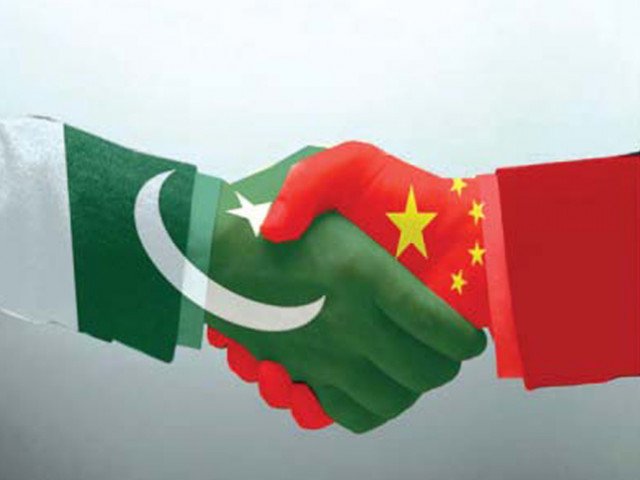
China and Pakistan have a strong and lasting relationship. Their “all-weather” partnership is based on trust, economic goals, and teamwork, making China a key part of Pakistan’s foreign policy. For many years, China has become Pakistan’s biggest trading partner and main source of investment, especially in areas like infrastructure, energy, and defense. Projects such as the China-Pakistan Economic Corridor (CPEC) have played a major role in this partnership.
Diplomatic ties between both began as early as 1951, but interaction was very rare in the formative years, as both states were engaged with their own domestic problems and nation building. However, over the years their relation grew stronger as both realized each others strategic importance to each other. For the last seventy years, Pakistan and China have had a relationship based on respect, common objectives, and solid trust. This bond not only affects how each country approaches its foreign policies but also plays a key role in shaping events in South and Central Asia.
This essay looks at how the strategic relationship between Pakistan and China developed over time, starting from early diplomatic efforts, through military cooperation, economic growth, cultural exchanges, and moving toward future collaboration. The essay explores different stages of their relationship, starting with the early years (1951-1970), followed by strategic cooperation in the 1970s to 1990s, then economic and development partnerships from the 2000s to now, along with cultural and people-to-people connections, and finally the challenges and future possibilities. The goal is to show how the Pakistan-China partnership has become one of the most reliable and stable alliances in the world. At its heart is a shared understanding of common challenges and opportunities, shaped by geography, shared values, and practical cooperation.
Historical Background (1951–1970)
The formal start of diplomatic ties between Pakistan and China happened on May 21, 1951, after Pakistan became one of the first Muslim-majority countries to recognize the newly created People’s Republic of China (PRC). From the beginning, this recognition showed political courage and good judgment: in a world split by Cold War alliances, Pakistan chose to build a direct relationship with Beijing, setting the stage for a lasting partnership.
In the early years, the relationship was mainly diplomatic and symbolic. However, it started to have real substance. The two countries exchanged high-level visits, supported each other’s independence in international meetings, and agreed on the principle of “good-neighbourly friendship” based on equality, mutual benefit, and respect for each other’s borders. Pakistan helped China speak up in international organizations, and in return, China provided moral support to Pakistan during regional conflicts.
A key achievement during this time was the decision to build the Karakoram Highway, also known as the “Friendship Highway.” This jointly built road connects Pakistan’s Gilgit-Baltistan region to China’s Xinjiang province through the Khunjerab Pass. Construction started in 1966 and finished in 1978, but most of the progress happened in the 1960s and early 1970s. The highway was more than just a road, it was a symbol of the deep connection between Pakistan and China, bridging difficult landscapes and showing their strong bond.
Another major event was the 1963 Sino-Pakistan boundary agreement, which settled the border between the two nations in the Karakoram region. Although the agreement dealt with complicated issues like land and grazing rights, it showed Pakistan’s willingness to work with China on strategic matters and China’s trust in Pakistan as a reliable partner. By 1970, the Pakistan-China relationship had moved past just being formal to real cooperation, built on geography, diplomacy, and shared concerns about the region.
Strategic Cooperation (1970s–1990s)
As global tensions increased during the Cold War and regional conflicts became more intense, Pakistan and China found shared goals in their strategic interests, especially regarding India. China’s border conflict with India in 1962 and Pakistan’s ongoing competition with India led to a common understanding: both countries were worried about India’s growing influence in the region, which created a foundation for working together.
During the 1970s and 1980s, the military and defense cooperation between the two nations grew stronger. China became a key supplier of weapons to Pakistan, helping with joint manufacturing, sharing technology, and providing training.
The relationship developed so that Pakistan came to depend a lot on China for weapons, military technology, and strategic support especially when Western sources were limited or unreliable. China’s arms exports to Pakistan helped strengthen Pakistan’s defense and strategic position in the region. Nuclear cooperation also became a major part of their partnership. Although many details remain unclear, China’s willingness to share technology and offer support played a big role in Pakistan’s development of nuclear weapons. This deep level of trust went beyond regular defense deals, it showed a long-term strategic partnership based on shared goals of deterrence.
Beyond military ties, the two countries also supported each other diplomatically during regional crises. China backed Pakistan in international meetings especially on issues like Kashmir and Pakistan’s borders, which helped build the idea of a strong, brotherly bond. Pakistan, in turn, supported China’s interests in Central Asia and along its western borders. The period from the 1970s to the 1990s solidified strategic cooperation as one of the main pillars of their relationship.
Economic and Developmental Partnership (2000s–Present)
Strategic cooperation built a strong foundation, but the next stage of Pakistan-China relations focused more on economic and developmental efforts. The start of the China-Pakistan Economic Corridor (CPEC) in 2015, which is part of China’s larger Belt and Road Initiative (BRI), was a major turning point. CPEC aims to connect western China’s Xinjiang region to Pakistan’s Arabian Sea port of Gwadar through roads, railways, energy pipelines, and industrial areas.
Under CPEC, China has invested billions of dollars in infrastructure and energy projects in Pakistan, helping to improve integration and connectivity. According to Pakistani government data, by 2024, CPEC had attracted tens of billions of dollars in direct investment, built hundreds of kilometers of highways, created thousands of megawatts of energy capacity, and generated thousands of jobs.
Today, China is Pakistan’s biggest trade partner, main investor, and key partner in industrial cooperation. Trade between the two countries has grown significantly since the early 2000s, reaching over $19 billion by 2018, with China becoming Pakistan’s top source of imports.
In the 21st century, areas like energy projects, ports (especially Gwadar), special economic zones, fiber-optic links, and telecom infrastructure are all part of Pakistan-China cooperation. Scientific collaboration has also expanded, with China helping Pakistan in satellite launches, space research, high-tech education, and technology sharing. These developmental links have strengthened the economic relationship and provided Pakistan with real benefits in terms of infrastructure, employment, and growth opportunities.
Cultural and People-to-People Ties
Beyond formal areas like diplomacy, defense, and economics, the bond between Pakistan and China has been strengthened by cultural and social interactions, as well as efforts to connect people directly. This includes academic exchanges, scholarships for students, and the presence of Confucius Institutes in Pakistan. These initiatives aim to build understanding, trust, and respect at the local level. Chinese and Pakistani officials say over 28,000 Pakistani students have studied in China, and more Chinese youth are visiting Pakistan through different programs.
Institutions such as the Pak-China Friendship Centre in Islamabad, which was launched in December 2010 with Chinese support, highlight this cultural aspect of the relationship. The two countries have also created sister-city and sister-province partnerships, held cultural festivals, conducted joint archaeological work, especially on the ancient Gandhara civilization, and promoted tourism. These activities help improve public support and form positive views of the partnership, especially in Pakistan, where public opinion often sees China as its most trusted friend.
The phrase “Pak-Cheen dosti zindabad” (Long live Pakistan-China friendship) shows how popular this sentiment is. Cultural understanding, trust, and shared symbols have helped keep the strategic relationship strong even during tough policy or economic times.
Challanges
Despite the strong relationship between Pakistan and China, there are challenges. Geopolitical tensions have increased, including the U.S.-China rivalry, India’s changing regional strategy, issues in Afghanistan, and concerns over China’s growing influence in Balochistan and Pakistan’s internal security. Some analysts fear that China’s investments under the China-Pakistan Economic Corridor (CPEC) could put Pakistan in a “debt trap,” limiting its economic independence. There have also been local protests, security incidents involving Chinese nationals in Pakistan, and worries in Pakistani circles about possible Chinese economic dominance or unequal trade.
On the economic side, while China is Pakistan’s biggest trading partner, the trade balance is heavily skewed, with Pakistani exports to China being much lower than Chinese imports. Some Pakistani industries have expressed concerns about unfair competition and limited market access under the China-Pakistan Free Trade Agreement (CPFTA). Also, many CPEC projects have faced delays, funding issues, and local resistance due to their ambitious timelines and scale.
Looking forward, the future of the Pakistan-China relationship depends on expanding cooperation in areas like innovation, green energy, the digital economy, agriculture, education, and health. For Pakistan, using Chinese investments effectively for sustainable infrastructure and job creation will be key. For China, maintaining its “iron brother” relationship with Pakistan while managing its global responsibilities is a challenge. Both countries need to ensure that their partnership remains beneficial, transparent, and adaptable to global changes, such as climate change, new technologies, and shifting international alliances.
Conclusion
Over the past seventy years, the relationship between Pakistan and China has grown beyond just a regular partnership to become a strategic alliance based on trust, shared beliefs, and closely linked interests. From the high mountains of the Karakoram to the deep-sea port of Gwadar, the two nations have developed a strong connection that covers many areas, solid in diplomacy, strong in defense, forward-looking in economic growth, and enriched by the ties between their people.
Although strategic needs were the starting point of this partnership, its long-lasting nature comes from its growing economic and cultural aspects. Respect for each other, a sense of reliability, and common concerns about the region have helped strengthen this relationship. However, as both countries deal with a fast-changing world, they now face two main challenges: maintaining growth and keeping their independence. The future of their relationship will depend on finding a good balance between strategic goals and fair economic and social benefits.
From the high peaks of the Karakoram to the ports of Gwadar, the bond between Pakistan and China serves as a link of trust, unity, and hope for future generations.

Winner of article writing competition organized under the theme “Bridging Horizons: Celebrating Pakistan-China Deep Rooted Friendship” in Dec, 2025.