1. Introduction
The alliance between China and Pakistan is one of the longest-lasting and most important in Asia. The relationship between the two countries has grown from simple diplomatic ties to a complicated strategic partnership based on trust, shared regional interests, and strengths that work well together. Because they work together in politics, economics, defense, and culture, both states are seen as important players in regional stability and growth. In a time when global power dynamics are changing and security problems are still going on in South Asia, the relationship between China and Pakistan has made a region that was otherwise unstable more stable.
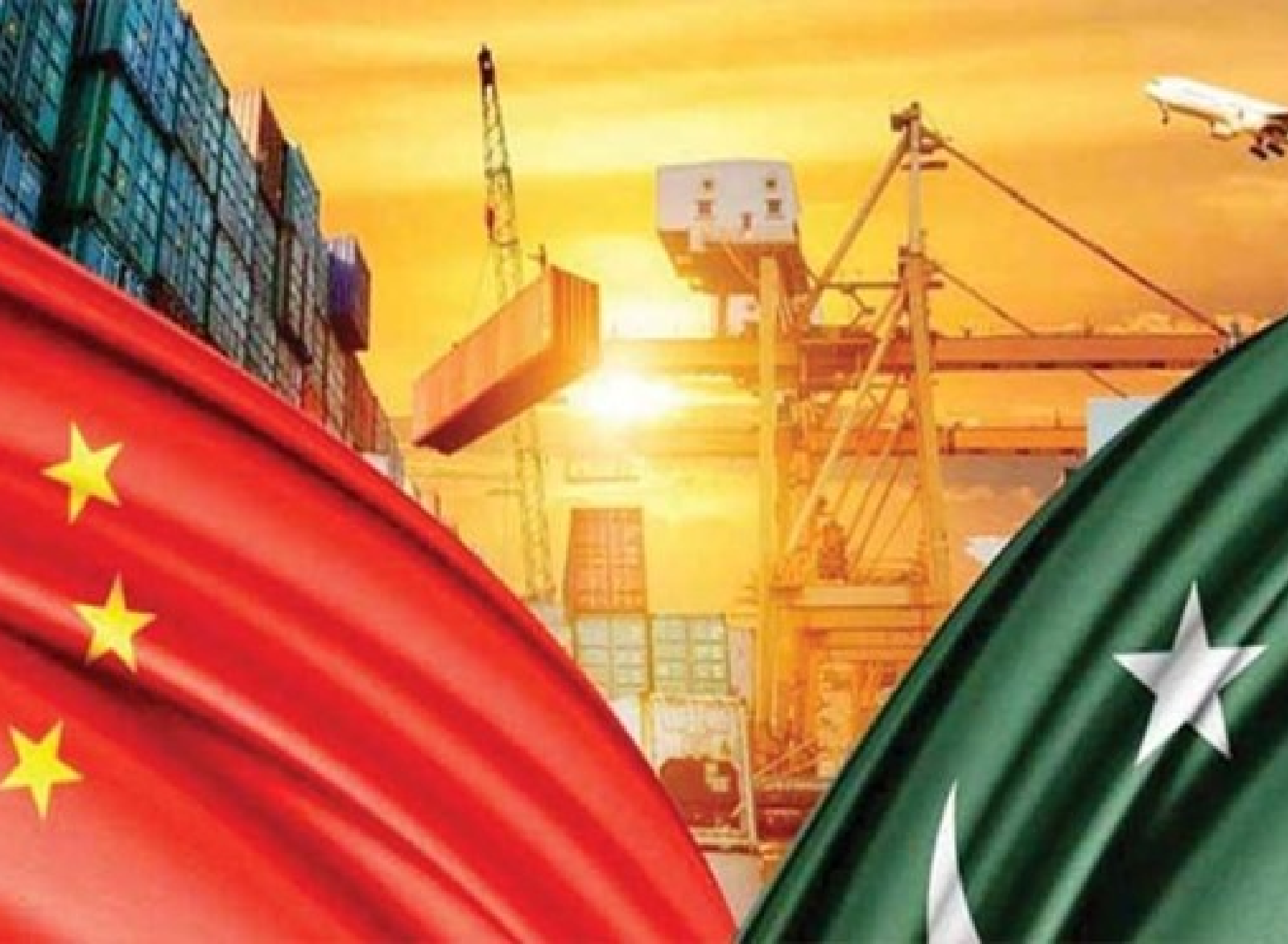
Economic interdependence, collaborative strategies for development and counterterrorism, and the allocation of power among principal regional actors significantly affect stability in South Asia and its adjacent areas (Raza 2024). Because of this, China and Pakistan’s joint projects, the most important of which is the China-Pakistan Economic Corridor (CPEC), have changed how the region is connected and how economies work together. In addition to trade and infrastructure, the two countries work together on defense, diplomatic coordination, and peacebuilding efforts in nearby areas like Afghanistan and the larger Indo-Pacific (Ali and Rizwan 2024).
This study looks at how China-Pakistan cooperation helps keep the region stable by looking at its history, economy, defense, political alignment, and effect on the balance of power in the region. It talks about the problems and complaints that came up during this collaboration, but it also talks about the good things that happened. The article ends by saying that working together between China and Pakistan not only strengthens their relationship but also lays the groundwork for peace, connectivity, and strategic balance in South and Central Asia.
2. Historical Background of China-Pakistan Relations
The relationship between China and Pakistan began in the years right after the People’s Republic of China was founded in 1949. In 1951, Pakistan was one of the first countries with a majority of Muslims to recognize China. This set the stage for a long-lasting diplomatic alliance. In the first few decades of this relationship, tensions in the region, shared geopolitical worries, and a desire to counter India’s growing power in South Asia all played a role.
After the Sino-Indian War in 1962, the relationship between the two countries got a lot stronger in the 1960s. Pakistan earned Beijing’s trust by diplomatically supporting China and staying away from close ties with Western groupsn (The China–Pakistan Axis 2008). The Sino-Pakistan Boundary Agreement of 1963 was one of the first examples of reciprocal collaboration. It showed that the two countries were friendly and on the same page when it came to regional geopolitics. This time also saw the beginning of infrastructure cooperation, which included the building of the Karakoram Highway. This was a huge project that connected the two countries across one of the highest mountain passes in the world.
In the years that followed, especially during the Cold War, China and Pakistan found common ground in resisting outside pressures and staying out of the spotlight in their own region. China helped Pakistan improve its industrial and military capabilities, from nuclear cooperation to the building of the JF-17 Thunder fighter jet (Khan and Kasi 2018). This made their strategic ties even stronger. After the Cold War, the relationship changed from one based mostly on security to one that included economic, cultural, and scientific cooperation. The China-Pakistan Economic Corridor (CPEC) is a part of China’s Belt and Road Initiative (BRI), which started in 2013. It took this relationship to a new level and made Pakistan the center of building and connecting infrastructure in the region.
People sometimes call the relationship between China and Pakistan a “all-weather friendship” because it has stayed strong and steady through political upheavals, international crises, and changing alliances. This long-lasting alliance is based on decades of strategic trust. It is a strong base for dealing with problems in the region and promoting peace and development in South and Central Asia as a whole.
3. Economic Cooperation and the CPEC
Defense and security cooperation is one of the strongest parts of the China-Pakistan relationship. What began as a careful alignment in the 1960s has grown into a full military partnership that helps keep balance and stability in the area. Both countries are worried about their strategic situations, especially because Afghanistan is unstable and India’s military power is growing. This shared
understanding has made it easier for the two countries to work together on military training, defense production, and security projects.
Over time, China has become Pakistan’s most reliable ally in defense. The partnership covers a lot of ground, such as making new military hardware together, like navy frigates, Al-Khalid tanks, and JF-17 Thunder fighter planes. These programs make Pakistan less dependent on arms suppliers from the West while also making its military stronger. The “Warrior” and “Sea Guardians” series of joint military exercises happen often (Yasir and Hussain 2025). They help the two forces talk to each other better and work together better on disaster relief, marine security, and counterterrorism. China’s help in strengthening Pakistan’s defense also helps keep South Asia strategically stable. India’s military cooperation with Western countries, especially the United States, which gives New Delhi access to the latest military technologies, balances out its partnership with these countries. By helping Pakistan with its deterrence efforts, China indirectly keeps the balance of power in the region, which stops open conflict.
Counterterrorism and sharing intelligence are two other important areas where people work together. Extremism and cross-border violence are dangerous for both countries’ safety, especially along China’s western borders and Pakistan’s Xinjiang province. Working together to fight terrorism, make borders safer, and stabilize Afghanistan are all examples of a shared commitment to stopping the spread of instability across borders. Since high-level security and intelligence talks started, working together to solve these common problems has gotten better.
Some people think this defense alliance will cause problems in the region, but its main goal is to keep the peace by being ready and balanced. China helps make the region more stable by helping Pakistan improve its defense and promoting cooperation in regional security. Defense cooperation is necessary to maintain peace and prevent escalation in one of the world’s most unstable regions, while also building trust between the two sides.
4. Defence and Security Collaboration
For a long time, China and Pakistan’s political and diplomatic alignment (Ali and Khan 2025) has been a key part of their relationship. This shows that they both believe in respecting each other, not interfering in each other’s affairs, and working together strategically in international affairs.
Both countries trust each other and often support each other on important national and international issues. This alignment not only builds trust between the two countries, but it also lets them show that they are stable and balanced in Asia’s larger geopolitical environment.
China and Pakistan often work together to make sure their positions are the same at international meetings like the United Nations (UN), the Shanghai Cooperation Organization (SCO), and the Asian Infrastructure Investment Bank (AIIB). Pakistan has always supported China’s main issues, like its stance on Taiwan, Tibet, Xinjiang, and the “One-China” policy. China has returned the favor by backing Pakistan on sensitive issues like Kashmir, especially by encouraging communication and opposing one-sided actions that would make South Asia less stable. This mutual diplomatic support shows that the two countries are partners who respect each other’s sovereignty and give and take.
China also makes a small but important contribution to the progress of diplomacy in the region. China’s “win-win cooperation” idea has helped people in the region talk to each other and settle their differences peacefully. For instance, its role in mediating talks about Afghanistan shows that it cares more about keeping peace along Pakistan’s western borders. Pakistan is an important diplomatic link between China and the Muslim world, and it often helps to clear up false claims about China’s internal policies in Xinjiang. This diplomatic alliance includes both global governance and contacts between countries. Both countries stress the importance of multilateralism, development-oriented policies, and changes to international institutions in order to better represent the Global South. They often don’t want outside help with their own problems and want everyone to be able to participate in the economy.
5. Political and Diplomatic Alignment
For the stability of the region, especially in South Asia, Central Asia, and the Indian Ocean region, China and Pakistan need to work together. Their partnership goes beyond just helping each other; it also has a bigger impact on peace, harmony, and connection in a region that is often marked by changing alliances and past conflicts. By combining economic, political, and security issues, the China-Pakistan partnership helps to create a stable regional order based on cooperation instead of conflict.
One of the best things this partnership has done is to help people connect in the region. The China-Pakistan Economic Corridor (CPEC) makes Pakistan a link between China and the Middle East, Africa, and Central Asia (Hussain and Hussain 2017). This system of ports, pipelines, and roads helps connect economies, which is an important part of long-lasting peace. The corridor also gives landlocked Central Asian countries other ways to trade, which makes them less dependent on dangerous routes through Afghanistan. In turn, economic growth and trade between countries make people less likely to be violent and make everyone richer.
The collaboration helps keep South Asia’s strategic balance in terms of security. China’s support for Pakistan is a way to keep India’s growing ties with the US and other Western countries in check. Even though it is sometimes seen as competition, this balance makes it less likely that there will be open conflict and helps keep one side from dominating the other. Both countries also support a security framework based on diplomacy and deterrence, which stresses the importance of moderation and communication.
China and Pakistan also want Afghanistan to be stable. Both countries have taken part in regional initiatives and trilateral talks to help bring about peace and rebuilding work there. Pakistan’s political power and China’s financial incentives give them unique chances to support inclusive governance and stop the rise of extremists. A stable Afghanistan would make the whole region safer, make sure that trade routes are safe, and lower the risk of terrorism. The partnership also supports China’s “community with a shared future” agenda, which puts a lot of emphasis on international respect and economic growth. This partnership helps Pakistan’s economy grow and makes it a key player in regional diplomacy (Mo, Qin and Chen 2025). The relationship between China and Pakistan acts as a stabilizing force, promoting peace, connection, and stability in a region that has historically been tense and divided.
6. China-Pakistan Cooperation AND Regional Stability
China-Pakistan cooperation is a key part of regional stability because it is based on shared strategic interests, economic cooperation, and diplomatic understanding. CPEC has grown from its humble beginnings in the 1950s to its current wide scope. It is now a multifaceted alliance that promotes development, peace, and connectivity. It has helped keep the strategic balance in South Asia while
also encouraging economic growth and regional talks on issues like counterterrorism and Afghan stability. In the long run, how well China and Pakistan deal with economic inequality, security issues, and outside geopolitical influences will decide how well they work together. To keep trust between each other, we need to encourage more participation, openness, and diversity in the community (Muhammad and Ismail 2021). If it is led by a common vision and practical policies, the alliance could continue to be a model of interdependence and resilience, bringing benefits to all of its members and serving as a guide for long-term stability in the larger Asian region.
One of the best things about our work together is that it has helped people in the area get to know each other. CPEC makes Pakistan a link between China and the Middle East, Africa, and Central Asia. This network of roads, pipelines, and ports makes economies depend on each other, which is very important for long-term peace. The corridor also gives Central Asian countries that don’t have access to the sea more ways to trade. This means they don’t have to rely on routes through Afghanistan that aren’t very reliable. In turn, trade and economic growth between countries lower the reasons for conflict and help people share wealth. China and Pakistan both care a lot about Afghanistan’s stability. Both countries have been involved in trilateral talks and regional efforts to help bring about peace and rebuilding in that area. China’s economic power and Pakistan’s political power give them unique roles in promoting inclusive government and fighting extremist influence. If Afghanistan were stable, trade routes would be safer, the risk of terrorism would be lower, and the whole area would be safer.
In a broader sense, the cooperation helps China achieve its goal of a “community with a shared future,” which emphasizes respect and economic growth between countries (Yasir, Ullah, et al. 2024). This partnership helps Pakistan become a better country and gives it a big part to play in diplomacy in the region. China and Pakistan’s work together helps keep the region stable by promoting peace, balance, and connection in a place that has always been known for its tension and division.
7. Challenges and Criticism
People in China, Pakistan, and around the world still have problems and criticisms about the partnership, even though China and Pakistan have worked together on many successful projects. There is a big worry about the economic mismatch in CPEC projects (Mahmood and Askari 2022).
Some people are worried that Pakistan’s growing dependence on Chinese loans could lead to debt that can’t be paid back, which could put the country in a “debt trap” situation. There are also concerns about how open project management is and how profits are not evenly distributed across Pakistan’s provinces, especially in areas that are not as developed. Security issues are also very serious. Because Chinese workers and facilities have been attacked in Pakistan, Beijing has asked for more security. India and the US are worried about China’s cooperation in their own areas because they see it as a way for China to get more power in the Indian Ocean and South Asia.
8. Conclusion
The relationship between China and Pakistan is important for keeping the region stable because the two countries have similar strategic goals, work together economically, and have a good diplomatic relationship. The relationship has grown from small beginnings in the 1950s to the big CPEC framework we see today. It is now a full-fledged alliance that works for peace, growth, and connection. It has helped keep the balance of power in South Asia, boost economic growth, and get people talking about things like counterterrorism and Afghanistan’s stability.
How well China and Pakistan handle their differences in economics, security, and outside geopolitical forces will determine the future of their cooperation. It will be important to make things more open, welcoming, and involve more people from the area in order to keep trust between people. The alliance could still be an example of interdependence and resilience if they have a clear vision and useful plans. It can help the whole Asian area and be a model for long-term stability.

Winner of article writing competition organized under the theme “Bridging Horizons: Celebrating Pakistan-China Deep Rooted Friendship” in Dec, 2025.