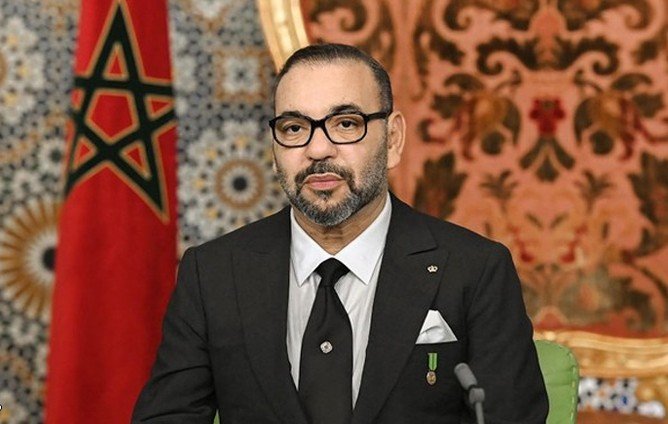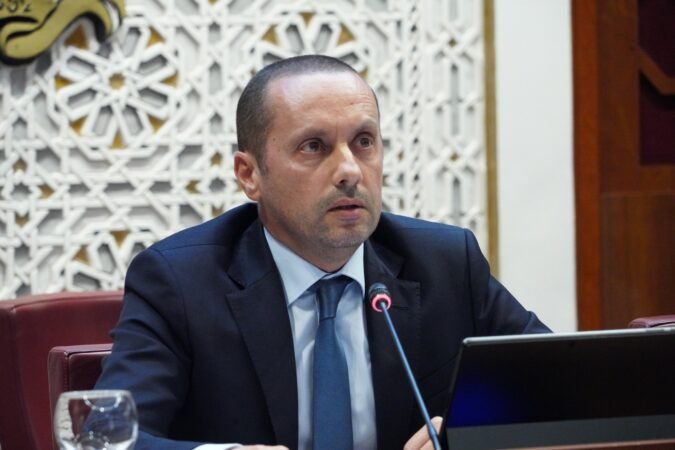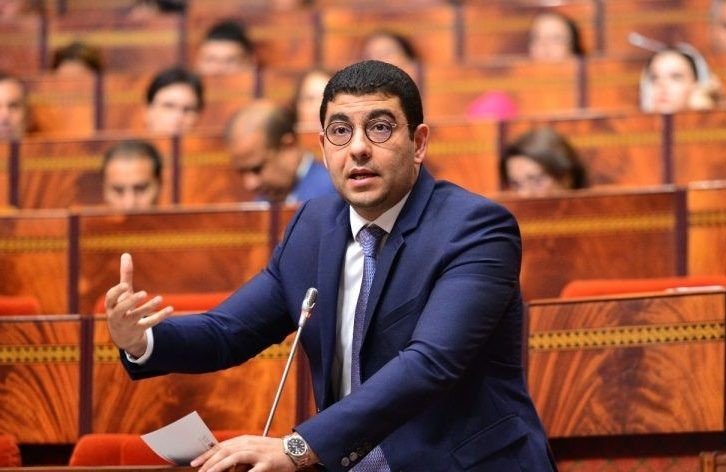
Rabat, December 23, 2025 – The Europe Today: Morocco’s Ministry of Youth is pressing ahead with efforts to strengthen and modernize facilities dedicated to young people across the Kingdom, aiming to better respond to their needs and expectations, Minister of Youth, Culture and Communication Mohamed Mehdi Bensaid said on Monday.
Speaking during an oral question session at the House of Representatives on the reinforcement and upgrading of youth infrastructure, Bensaid highlighted that the sector relies on an extensive national network comprising more than 685 youth houses, 167 neighborhood socio-sports centers, 53 reception centers, and 42 summer camps.
The minister informed lawmakers that during the current government mandate, around 450 facilities have undergone rehabilitation and upgrading. These include 316 youth houses, 52 socio-sports centers, 40 reception centers, and 42 summer camps, reflecting the government’s commitment to improving the quality and accessibility of youth-oriented infrastructure nationwide.
Beyond physical upgrades, Bensaid said the ministry has focused on renewing service offerings and enhancing the quality of activities provided within these spaces. Programs span educational, cultural, sports, and artistic activities, alongside training sessions, roundtable discussions, awareness and guidance meetings, and digital workshops designed to equip young people with relevant skills.
The minister also referred to the ministry’s engagement in youth employment-related initiatives, despite this area not falling directly within its formal remit. In this context, he cited training programs targeting young people, particularly women and girls, as well as national initiatives such as the “Youth Passport” and “Motatawi3,” which promotes volunteering.
According to Bensaid, these combined efforts aim to ensure that youth facilities function as active spaces for learning, participation, and personal development across Morocco.
However, while these initiatives have been widely welcomed, observers note that they remain insufficient in view of the scale of challenges facing Moroccan youth. Despite the availability of facilities and programs, many young people continue to face marginalization, limited access to opportunities, uneven regional coverage, and a gap between available services and their daily realities.
For many youths, these spaces have yet to translate into clear pathways toward social inclusion, skills development, or economic prospects, underscoring the need for deeper, more coordinated policies that go beyond infrastructure upgrades alone.