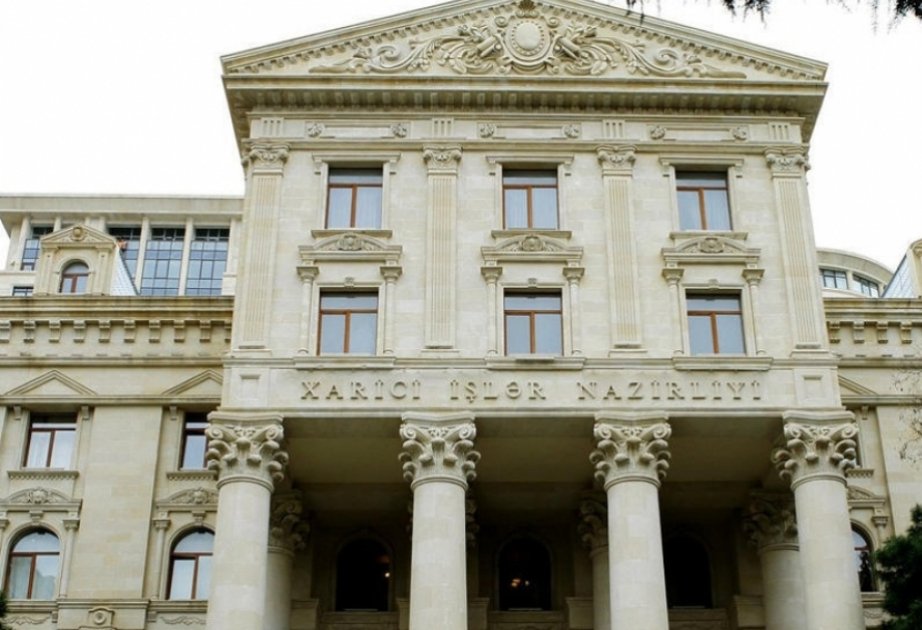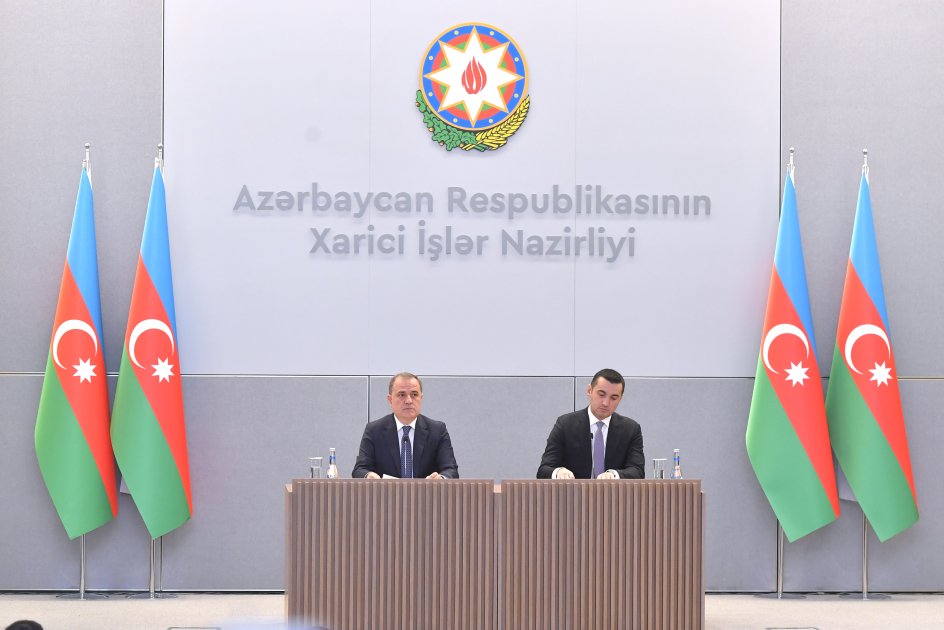
Baku, December 27, 2025 – The Europe Today: Azerbaijan’s Ministry of Foreign Affairs held a press conference on December 26 dedicated to reviewing the outcomes and key achievements of the country’s foreign policy in 2025.
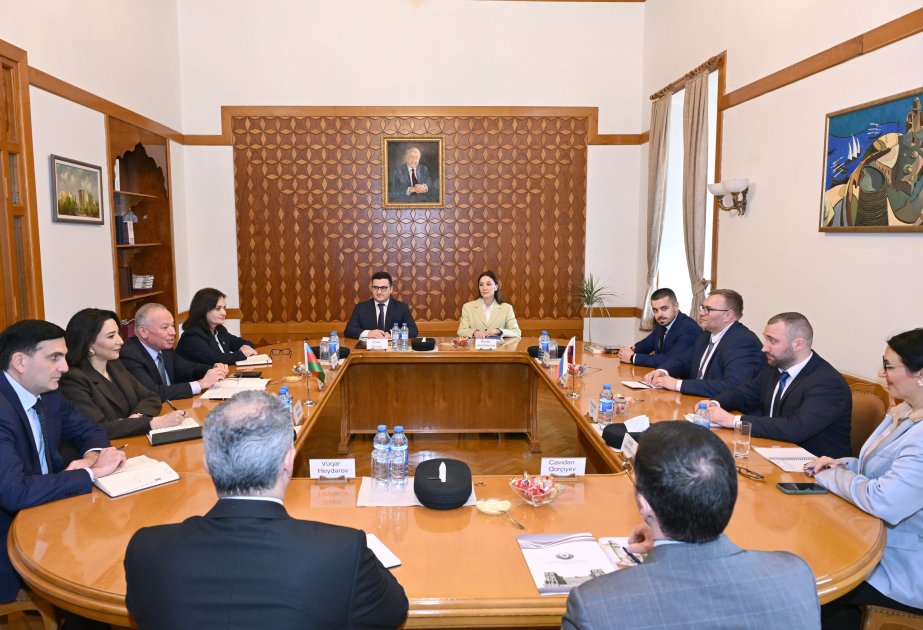
The event brought together local and international media representatives, along with the leadership and heads of structural units of the Ministry of Foreign Affairs.
In his remarks, Foreign Minister Jeyhun Bayramov provided a comprehensive overview of Azerbaijan’s foreign policy priorities for 2025, highlighting diplomatic efforts to safeguard national interests and outlining major milestones achieved during the year.
Minister Bayramov said that amid rising geopolitical tensions, shifts in the international relations system, and growing uncertainties in the global security architecture, Azerbaijan continued to pursue an independent, pragmatic, and principled foreign policy based on international law. He emphasized that relying on internal stability and sustainable development, the country successfully strengthened its bilateral and multilateral cooperation mechanisms through prompt, responsible, and constructive diplomacy, significantly enhancing its international standing and influence.
The foreign minister noted that 2025 marked the fifth anniversary of Azerbaijan’s victory, with the establishment of sustainable and lasting peace in the region remaining one of the country’s top foreign policy priorities.
He highlighted progress in the normalization of relations between Azerbaijan and Armenia, based on the principles of sovereignty and territorial integrity. This included the signing of a Joint Declaration by the leaders of Azerbaijan and Armenia, with the President of the United States as a witness, the initialing of the draft “Agreement on the Establishment of Peace and Interstate Relations between the Republic of Azerbaijan and the Republic of Armenia,” and other agreements reached during the Washington Summit on August 8, 2025, held with the participation of the leaders of Azerbaijan, the United States, and Armenia.
According to the minister, Azerbaijan signed 191 documents with 41 countries on a bilateral and multilateral basis during the year. Political consultations were held with the foreign ministries of 52 countries, while protocols and memoranda of understanding establishing political consultation mechanisms were signed with three countries.
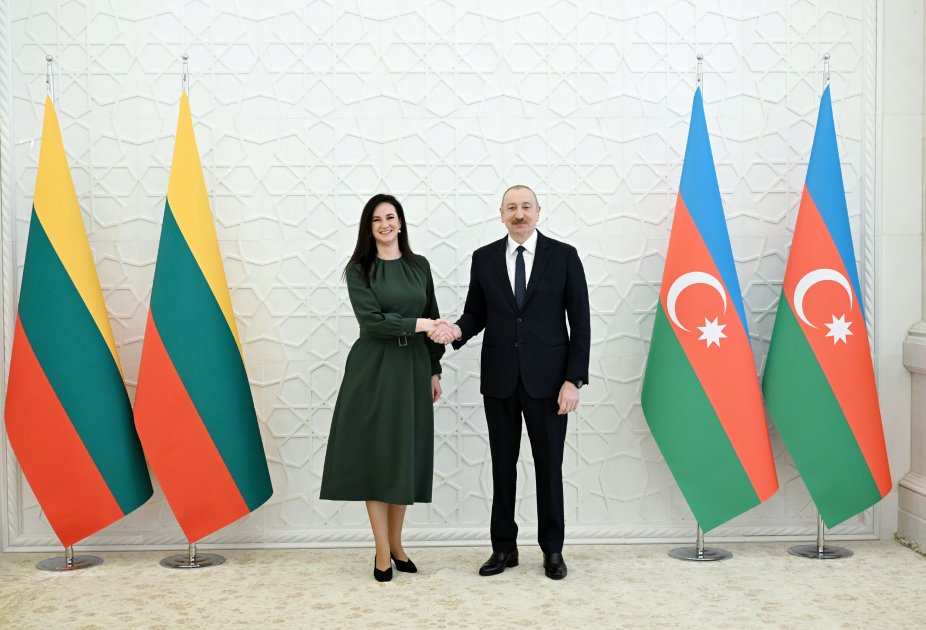
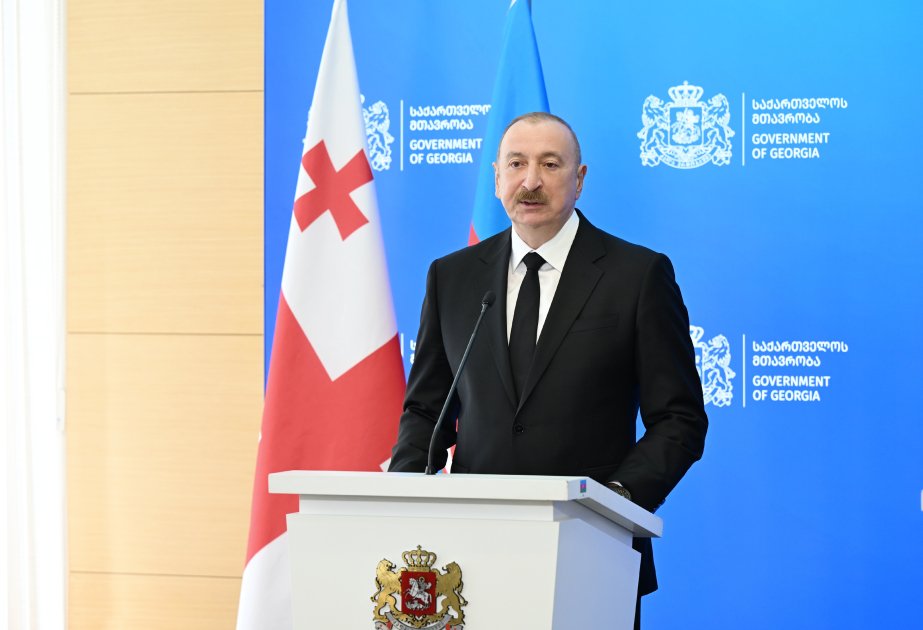
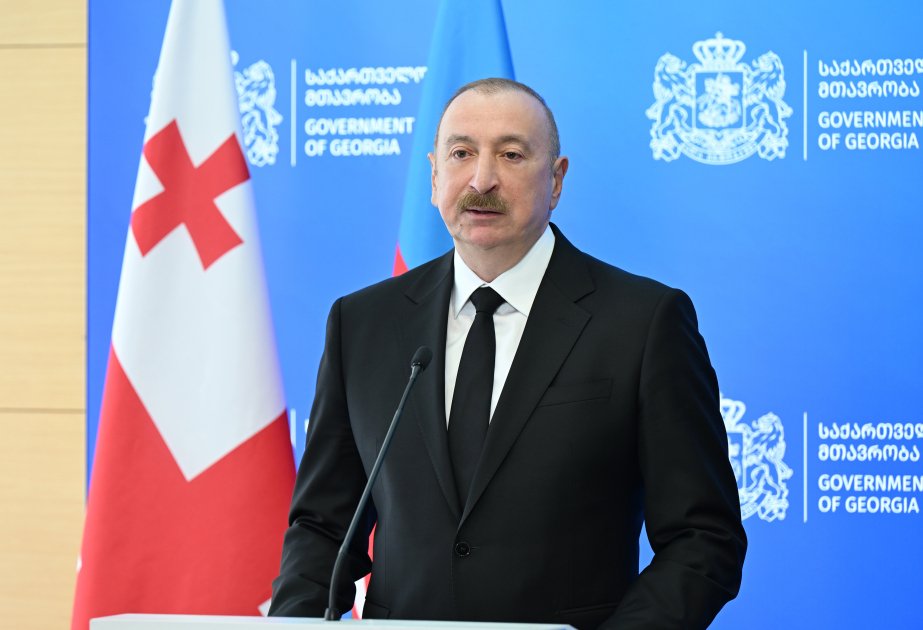
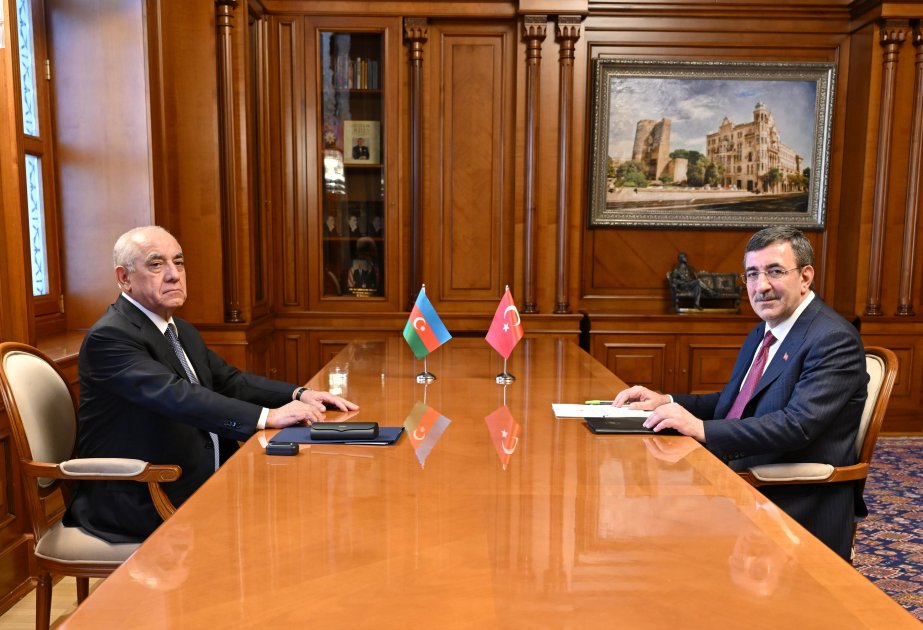
Minister Bayramov stressed that particular importance was attached to relations with neighboring countries in 2025. High-level visits to Azerbaijan took place from Türkiye, Iran, and Georgia, and regular meetings were held within intergovernmental and interagency mechanisms on economic cooperation with Türkiye, Iran, Russia, and Georgia.
He also outlined the development of traditionally friendly and brotherly relations with Central Asian countries, the expansion of political dialogue and cooperation with European states, efforts to deepen ties with the Asia-Pacific region, enhanced engagement with countries of the Middle East and Africa, and initiatives to broaden bilateral relations with nations in North, Central, and South America.
The minister noted that Azerbaijan’s accession as a full member of the Consultative Council of the Heads of State of Central Asia at the 7th Consultative Meeting held in Uzbekistan on November 15–16 opened a new stage of mutual trust and strategic partnership.
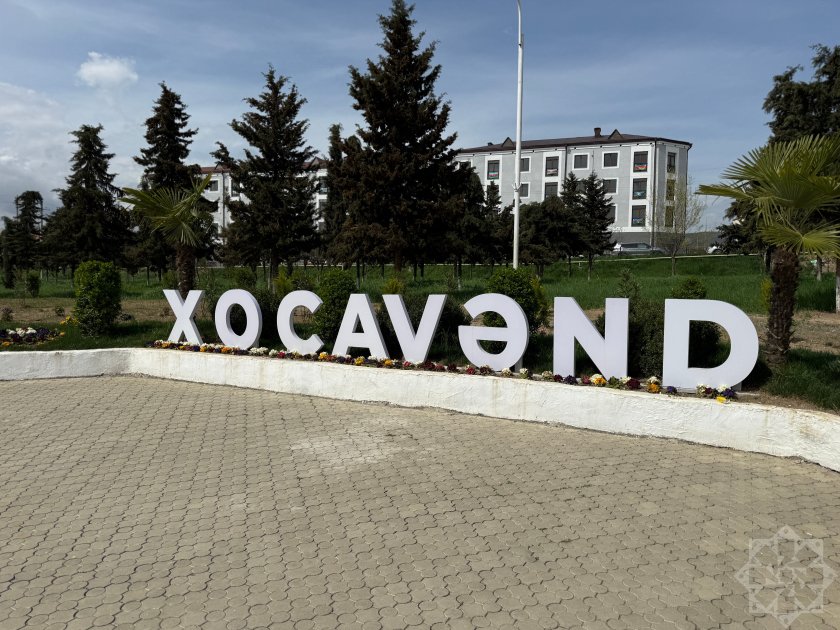
“Our chairmanship of the Conference on Interaction and Confidence-Building Measures in Asia (CICA), our Troika membership in the Non-Aligned Movement (NAM), and our active engagement within the Movement have been successfully maintained,” Minister Bayramov said. He added that significant outcomes were achieved within the Economic Cooperation Organization (ECO) during the Summit held in Khankendi, alongside the organization of ECO Week in Azerbaijan and the establishment of the Clean Energy Center.
Within the framework of D-8 Week in Baku, an informal meeting of commissioners, a ministerial dialogue on climate and urban planning, the D-8 Media Forum, and the D-8 Youth Dialogue were held. In line with the organization’s strategic priorities, agreements were reached to establish the D-8 Energy and Climate Center, D-8 Transport Excellence Center, and D-8 Media Center in Azerbaijan.
Highlighting steps to expand Azerbaijan’s diplomatic presence abroad, Minister Bayramov announced the official opening of Azerbaijani embassies in the Kingdom of Thailand and the Sultanate of Oman in 2025. He also noted that after a 13-year hiatus, Azerbaijan’s embassy in Syria resumed operations in February this year.
The foreign minister stated that comprehensive economic diplomacy efforts in 2025 contributed to strengthening Azerbaijan’s role as a key transport, energy, digital, and trade hub, expanding partnerships, and enhancing the country’s position in the regional and global economic arena.
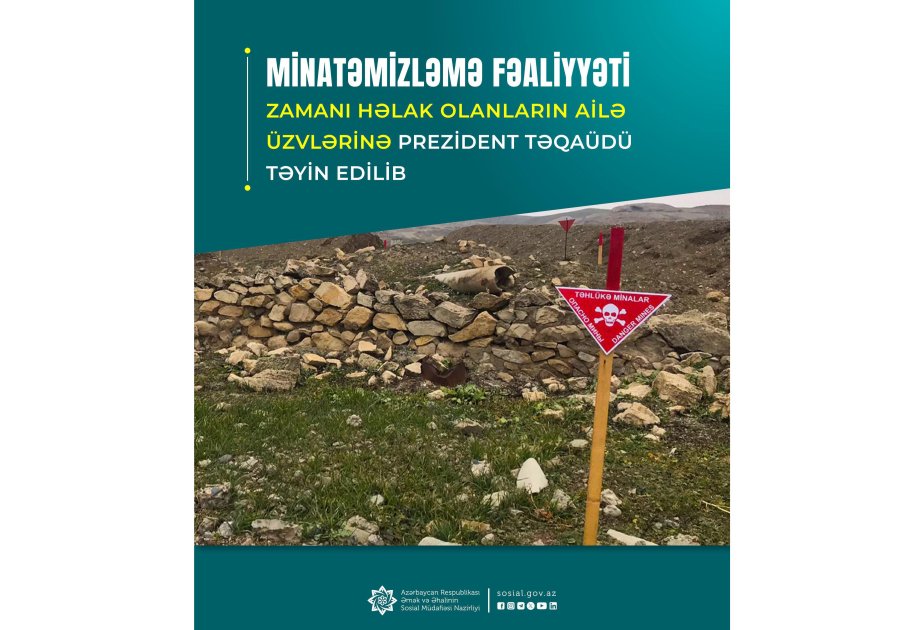
He added that Azerbaijan continued international efforts to raise awareness of the large-scale work being carried out to address the mine contamination problem and to clarify the fate of missing citizens. Participants were also briefed on Azerbaijan’s humanitarian assistance to Ukraine and Syria, as well as the country’s broader international aid programs.
Minister Bayramov underlined that active work was conducted throughout the year in the fields of public diplomacy, media, and strategic communication, aimed at effectively conveying Azerbaijan’s foreign policy positions to the international community and the public.
The press conference concluded with Minister Jeyhun Bayramov answering questions from media representatives.