Pakistan began close cooperation with China over seventy years ago, linked by mutual political aims, commerce, defense efforts, alongside academic exchanges. When diplomatic ties were formed in 1950, support centered on infrastructure like highways and safety systems; later, attention moved toward digital innovation, renewable power initiatives, coupled with research partnerships between schools. This enduring connection continues due to aligned interests – each seeks stability and progress via coordinated strategies combined with similar outlooks.
The initial connection between Pakistan and China focused on easing regional strain, particularly border conflicts in South Asia. By 1963, a shared deal resolved land disagreements; shortly after, military cooperation began forming around 1966, while economic exchanges grew starting in the late 1970s. As years passed, Pakistan stood by China on sensitive international topics – Xinjiang, Tibet, Taiwan – and Beijing responded with support for Islamabad on issues such as Kashmir. This lasting strategic link shows how intensely political their alliance evolved, going far beyond early intentions.
Economic and Cultural Collaboration
Economic links matter most here. Because of agreements cutting red tape, commerce expands steadily – lifting investment movements. Thanks to tech transfers and construction efforts from China, Islamabad experiences gradual industrial growth. Meanwhile, Pakistan gives Beijing strategic value via upgraded regional transit paths along with more reliable energy channels. The collaboration covers scientific research together with tech exchange, reflecting shared aims in sustainable growth. While major projects like CPEC attract attention, broader economic and technical links continue growing slowly – fueled by diversity and forward-looking targets.
Cultural diplomacy links different groups. After launching in Islamabad, the Confucius Institute made learning Mandarin possible by promoting cultural interaction. Rather than emphasizing politics, it supports student exchanges, shared events, or cooperative research. These efforts gradually strengthen trust while deepening local connections. These actions aren’t a substitute for formal deals – instead, trust grows through them. Because of this, connections gain stability, influenced by direction combined with joint involvement.
Defense, Security, and Diplomatic Cooperation
Pakistan’s armed forces work closely with China, aiming at clear results. Joint exercises – paired with training or technology sharing – quietly boost capability without drawing focus. Backed consistently by Beijing, Pakistan holds firm amid regional pressure, reflecting shared defense goals. The alliance moves forward step by step, adapting to emerging risks rather than relying on outdated methods; such adaptability reveals a stronger bond.
Diplomatic ties remain solid within international platforms. Through international organizations such as the UN, China often supports Pakistan, advancing shared views on major regional matters. Thanks to this backing, Pakistan achieves wider global recognition while China expands its influence throughout South Asia. Working jointly, they stress aligned principles – sovereignty, border integrity, and stable external ties – and these values guide their rising role abroad.
Technological, Educational, and Energy Collaboration
Going beyond individual objectives, their bond combines political strength along with deep economic, social, defensive ties to face current world issues. Built on shared respect paired with matching priorities, this partnership seems ready to continue backing regional stability and progress ahead.
Beyond simple connections, Pakistan and China now face new opportunities – along with challenges – in collaboration. Lately, shared initiatives have moved into fields previously overlooked. Digital links, paired with joint technological ventures, strengthen their bond more than ever. With China advancing its digital infrastructure, Pakistani institutions are partnering more frequently with Chinese firms – aiming to expand internet reach, improve online systems, modernize data handling. These moves help Pakistan integrate further into worldwide digital networks by drawing insights from China’s growth driven by innovation.
Every year, many Pakistani students go to China for education, forming a large share of foreign learners there. As this happens, relationships deepen in multiple areas, with individual bonds gradually emerging – fostering durable trust over time. Academic institutions work together on scientific projects; at the same time, they manage joint programs and offer financial support to researchers. These actions show a shift toward knowledge-based cooperation, creating a base for consistent contemporary partnerships.
Energy cooperation is gaining focus lately. As Pakistan improves its electricity infrastructure, Chinese backing arrives via multiple paths – hydropower ventures, solar programs, or nuclear development. Such actions extend past building work; they match national expansion goals along with Beijing’s worldwide drive toward greener tech. Shared efforts reflect a unified goal: securing steady energy supply while safeguarding nature amid shifting global circumstances shaped by environmental concerns.
Tourism, Media, Environmental, and Maritime Cooperation
Travel is becoming increasingly important worldwide. Due to efforts such as Confucius Institutes alongside study exchanges, knowledge about diverse cultures expands – especially as curiosity about global travel increases. Even though participation remains low at present, new projects aim to expand collaborative tourism by showcasing heritage locations, streamlining visa procedures, or offering deeper immersion into local routines. These actions could significantly improve mutual insight because direct contact uncovers ordinary habits, traditions, yet also how past events influence present conduct.
The media together with communication channels shapes public opinion on teamwork today. Rather than working alone, collective work in journalism – like co-authored reports, team-made documentaries, or international reporter groups – is changing perspectives, cutting down misinformation while highlighting common aims. Because of these linked activities, political relations and corporate alliances receive firmer support from informed people who understand cultural variety.
In recent times, managing climate threats and severe weather has become key in ties between Pakistan and China. As each nation often deals with disasters – such as floods, earthquakes, or environmental harm – sharing technology, satellite data therefore response strategies work well. Combined work on monitoring land shifts, safeguarding wildlife meanwhile strengthening agriculture shows progress in enduring collaboration – a connection shaped more by common goals than immediate gains.
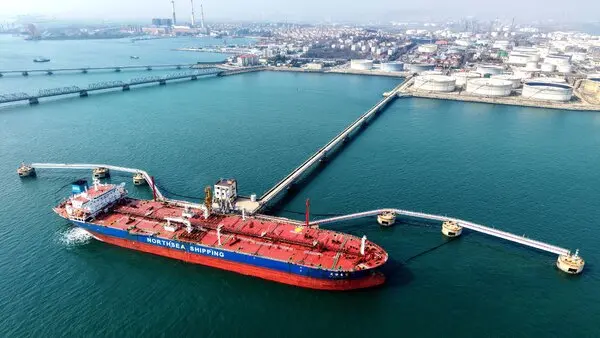
The shipping industry grows more significant worldwide. Despite getting little attention, discussions about joint navy actions – like safer waters or aligned harbor operations – have reduced regional conflicts. A key factor behind this low-key collaboration, including protecting vessels, fighting piracy, or tracking movements, is reliance on stable sea routes for commerce and energy transport.
Conclusion
The bond between Pakistan and China continues to shift, blending familiar strengths with fresh methods. Rooted in shared history – mutual trust, similar goals, joint effort – it now extends into emerging fields. Rather than simply repeating past habits, they expand on them gradually. As world dynamics evolve, both countries prepare for future challenges through transparent dialogue and tight collaboration, while balancing progress with long-term stability.
This partnership stays strong throughout Asia, connected through common aims along with tight links – adaptable but steady, rooted in confidence despite worldwide changes. Over years its shape shifted; still, the foundation holds, showing real teamwork when times are unclear.

Participant of ICSF-UoS Fellowship Program 2025-26 at University of Sargodha.