The Global Governance Initiative (GGI) program in China has emerged as one of the most ambitious systems which are aimed at changing the international system in the twenty-first century. The GGI has come up at the backdrop of the geopolitical conflict, climate crisis, the collapses of the economies and the institutional overstretching, which demonstrates that China is attempting to renegotiate the way in which global problems should be addressed. The initiative is aimed at collaboration, inclusiveness, growth, and appreciating the independence, rather than conflict and zero-sum game. In this aspect, GGI is not only a diplomatic slogan, but an outlook of how to address common problems of the globe in an interconnected world.
Global Governance Initiative is positioned in the middle on the assumption that there is no single country that can solve the problems presently. These issues as climate change, pandemics, financial crisis, and food insecurity, or technological disruption do not obey national borders and have to be solved jointly. The Chinese GGI is characterized by a focus on multilateralism and dialogue and partnership, and not the unilateral action or bloc politics. China seeks to correct what it sees as historical imbalance in the international system through the encouragement of a more representative and representative way of international system. The practical implementation of the GGI is the most evident, which is supported by the multilateral organizations, particularly, the United Nations, by China. China has never yielded on the fact that UN should be the primary platform in the world governance, especially in peace, security and development. It has been adding extra funds to the peacekeeping activities, development organizations as well as humanitarian measures of UN. In doing so, China can also be able to paint itself as a good stakeholder that is concerned that the international system is stable rather than undermining the international institutions.
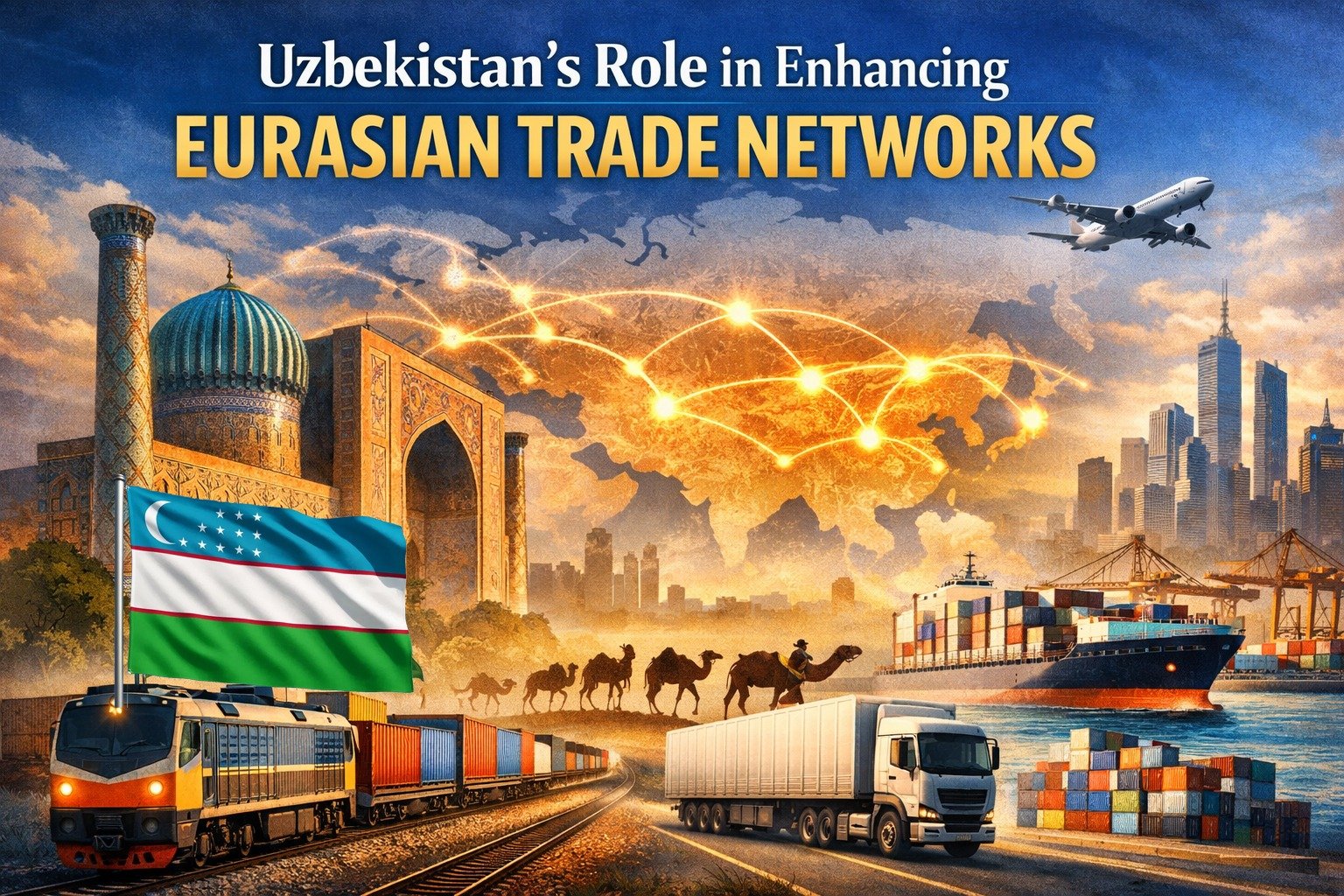
The other notable feature of the application of the GGI by China is that it has concentrated on development as a foundation that will make China attain peace and stability. According to China, poverty, inequality and lack of development are some of the causes of conflicts and insecurity. It therefore promotes economic co-operation, investment in infrastructure and capacity building in the developing countries as one of its international governance policies. Relating the development to security, China offers an alternative to the old approaches that are founded on the military/political interventions instead of economic ones. One of the most tangible manifestations of the GGI in practice is the Belt and Road Initiative (BRI). China has been attempting to expand connectivity and economic integration among Asia, Africa, Europe and Latin America to a greater extent through massive infrastructure development, trade routes and financial collaboration. The BRI has a governance aspect although it is regularly talked about in the economic terms. It fosters cooperation, minimizes the disparity in development, and enhances a more inclusive type of globalization that favors a broader group of nations by establishing networks of interdependence.
Another example of the GGI implementation is the way China managed global public health. China supplied other nations with medical materials, vaccines, and technical support especially in the Global South during the COVID-19 pandemic. This health diplomacy was articulated as an input to the development of a collective international response to a similar threat. Despite being controversial, such initiatives demonstrated that China is determined to act together and is of the opinion that international health cannot be the reserve of a small group of rich countries. China has been the highest producer of greenhouse gases in the world and accepting the responsibility of climate change. Meanwhile, it calls on fairness and dissimilar responsibilities, and maintains that developing nations cannot have the same weight as advanced economies. By investing in renewable energy, being a signatory to global climate change agreements and encouraging green development in other countries, China is trying to balance economic development with environmental protection.
The Global Governance Initiative in China is very attractive in the eyes of Global South. Most of the developing nations are marginalized in the traditional international institutions which are dominated by the western powers. These states are also interested in having a larger say on matters of world decisions which is why the idea of equality, mutual respect and development that is practiced in China appeals to them. China would be a partner but not a patron by interacting with them through investment programs, diplomacy and capacity building programs. Regardless of these controversies, it is evident that the Global Governance Initiative by China is a major change in the manner in which the world leadership is exercised. Instead of wanting to substitute the existing institutions, China suggests reforming them and supplementing them. This is reformist as opposed to revolutionary as it makes the GGI stand out against more confrontational views of world order. Trying to reconcile between continuity and change, China tries to act in multilateral frameworks and support new forms of cooperation.
Success of the GGI in the long term will be determined by its ability to solve practical issues. Great dreams of collaboration and common future should be accompanied by tangible outcomes in alleviating poverty, climate change, conflict management, and technological access. With China being able to prove that its efforts provide actual benefits to a wide audience of nations, the GGI would prove a valid base to a more just world order.
Lastly, it is even the fact that China is literally proving the Global Governance Initiative as evidence of its greater confidence in becoming a global player. Along with the emergence of the economic and political might of China, there is the gathering momentum of its responsibility to aid in global stability and growth. The GGI itself is the project of Beijing to render a global leadership vision that is not based on domination and exclusion but rather on the partnership and inclusion. How far this vision will remake the international system remains yet to be observed but it at least provides a voice with great force to the debate that is already present on the way the world is going to be ruled in the twenty first century.

Participant of ICSF – UOS Fellowship Program 2025-26 at University of Sargodha.