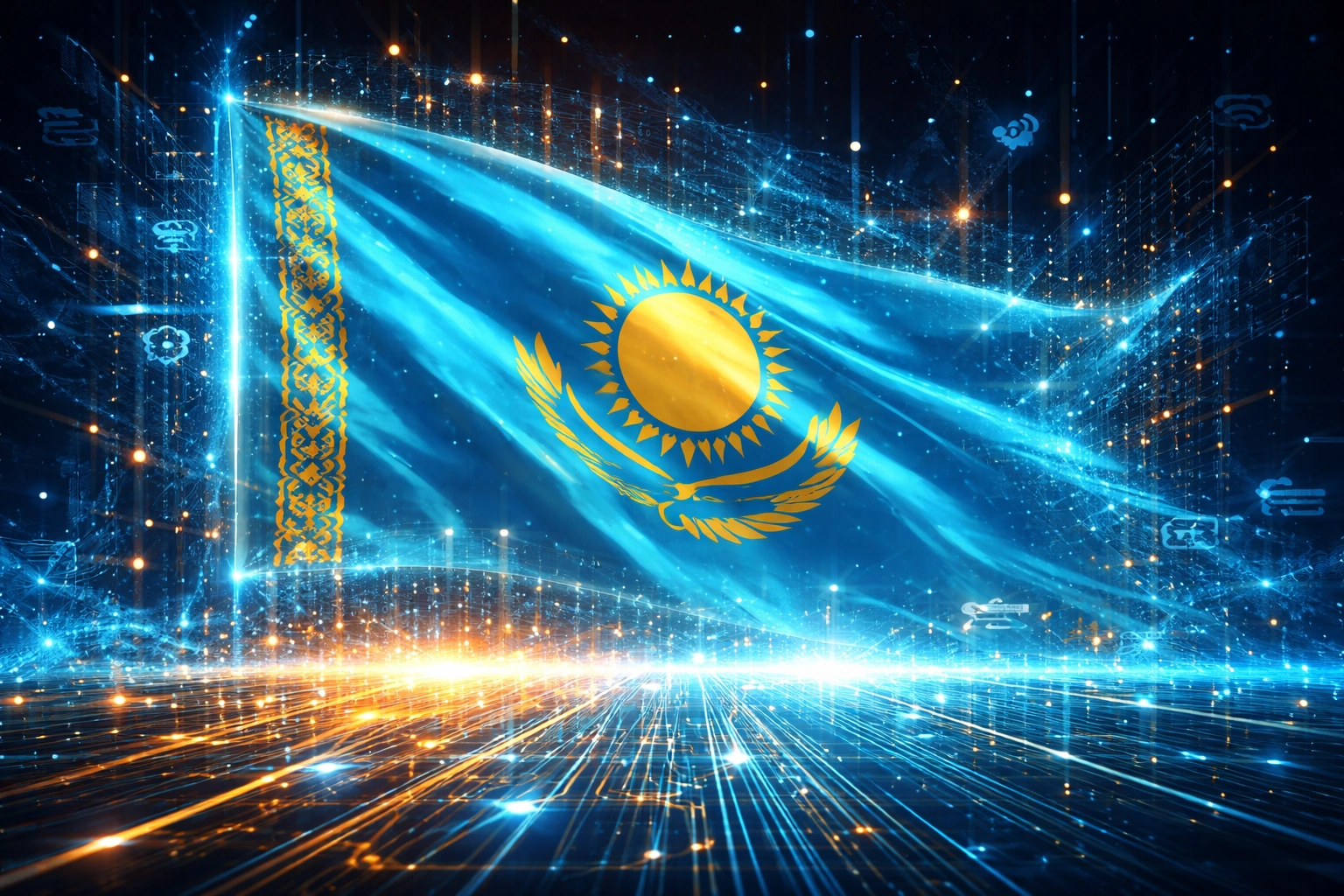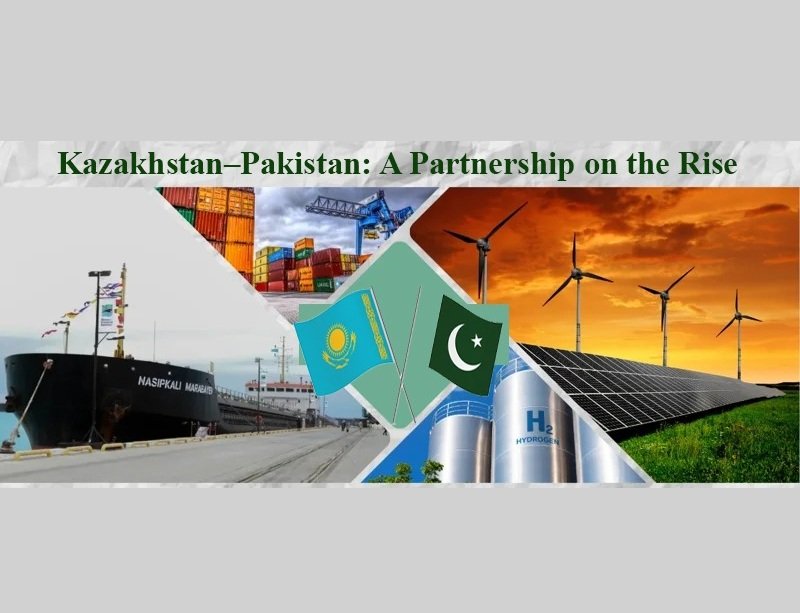
The two culturally rich countries, Kazakhstan, world’s largest landlock country located at the heart of the Eurasian continent, and Pakistan, one of the world’s thickly populated country that sits at the crossroads of South Asia, Central Asia, and the Middle East, share a history of friendly relations that has gradually matured into a forward-looking partnership. When Kazakhstan gained independence in 1991, Pakistan was one of first countries to recognize the nascent state. Diplomatic relations were established in 1992 and since then, this early gesture of goodwill has evolved into a stable and friendly bilateral relationship. The bilateral relations of both countries are based on mutual respect, cooperation, and economic integration. In the present time, both countries view each other as natural partners capable of contributing to regional connectivity, economic development, and long-term stability.
Kazakhstan and Pakistan do not share border but this geographic limitation has never become a reason for limited engagement or cooperation. The two countries have always stood by each other. Instead of viewing geography as a limitation, they see it as an opportunity. Kazakhstan is a key Central Asian economy while Pakistan has a direct access to Arabian Sea. These strengths of both countries complement each other very well. Even, in the recent years, the leadership of both countries has shown keen interest in transforming this decades old traditional friendship into a practical and results-oriented partnership.
The President of Kazakhstan, His Excellency Kassym-Jomart Tokayev, has always highlighted how much Kazakhstan values Pakistan. He has always highlighted strategic importance, regional influence, and growing economic potential of Pakistan. He sees Pakistan as a potential partner for collaboration. Whenever Kazakhstan-Pakistan relations are discussed, H.E. President Kassym-Jomart Tokayev describes Pakistan as a reliable and trusted partner in strengthening connectivity between Central and South Asia particularly through trade, transit, and energy cooperation. He also acknowledges the efforts of Pakistan aimed at maintaining regional stability. That’s why, His Excellency has always shown keen interest in establishing strong and cordial relations with Pakistan.
Current State of Cooperation and Political Engagement
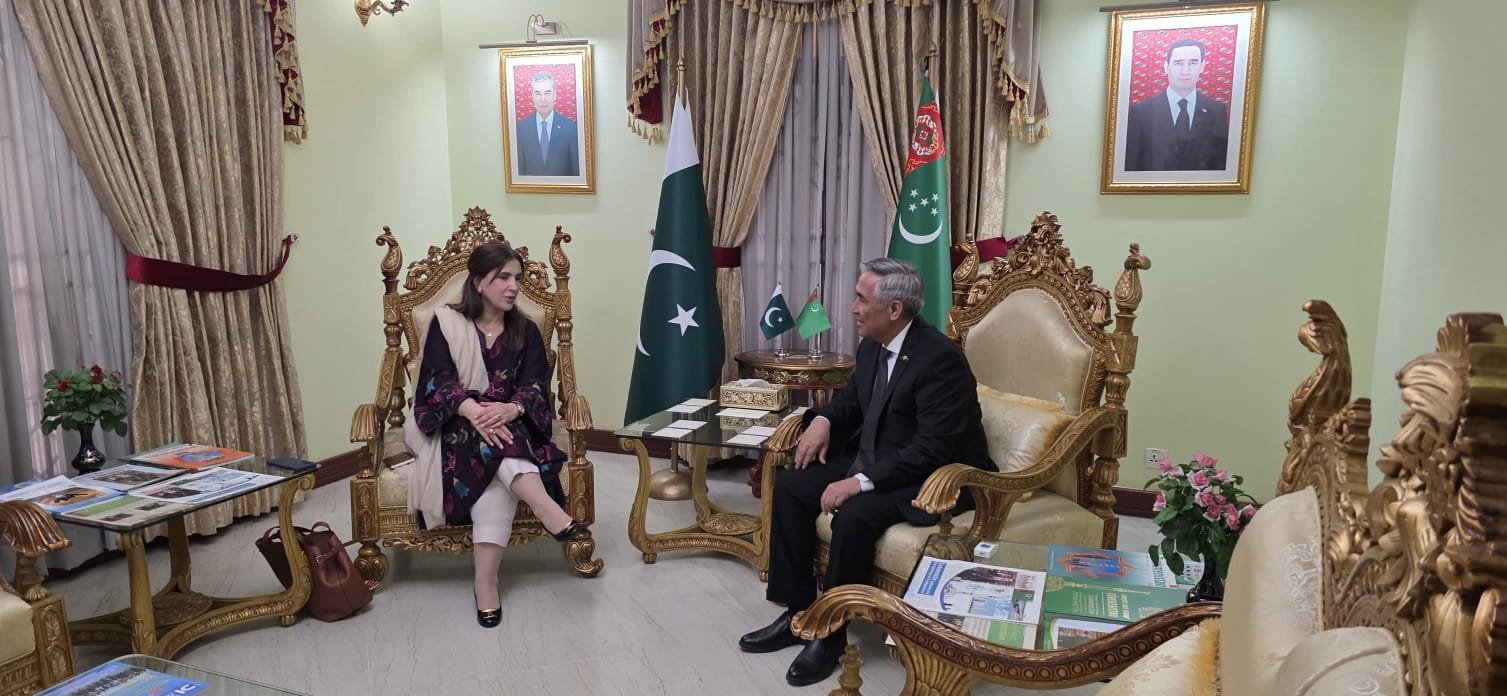
The political engagement between Kazakhstan and Pakistan is marked by high-level interactions on regular basis and institutional mechanisms. Both countries cooperate with each other on bilateral level through various platforms like parliamentary exchanges, Bilateral Political Consultations (BPCs) between foreign ministries, and the Joint Intergovernmental Commission (JIGC). Until now, 13 sessions of the JIGC, in total, have taken place between Kazakhstan and Pakistan. The latest one was held in 2025. All these mechanisms have helped maintain consistency in dialogue and alignment on regional and international issues. In recent years, diplomatic exchanges have intensified. Senior leaders and ministers are holding successive meetings aimed at deepening collaboration in trade, transport, energy, agriculture, education, technology and several other sectors.
In addition to increased political engagement, Kazakhstan values Pakistan so much, not because of being an important partner in South Asia but also due to the significant role of Pakistan in regional security and diplomacy. Similarly, Pakistan views Kazakhstan as a leading Central Asian state with economic strength, political stability, and growing international influence. Both the countries have similar views on multilateralism. Both respect sovereignty of the countries and advocate for peaceful conflict resolution over confrontation.
Security cooperation is not as prominent as economic ties but still it is an important pillar of the relationship. Security challenges such as extremism, terrorism, and transnational crimes are common in both Pakistan and Kazakhstan. They have direct impact on the security, development, and stability of both countries. To counter these threats, Pakistan and Kazakhstan are deepening security cooperation. Joint military exercises like Dostarym, meaning “friends” in Kazakh, that involve Special Forces (SSG Pakistan, Kazakh Special Forces) are a clear manifestation of this cooperation. Similarly, sharing expertise, regular meetings between both countries’ military leadership, intelligence sharing, etc. are some other ways and means through which Pakistan and Kazakhstan are trying to deal with security matters.
Overall, political relations remain positive and constructive, providing a strong foundation for expanding cooperation in economic and social spheres.
Economic Cooperation and What Has Been Achieved So Far
On Sep 9, 2025, a meeting was held in Islamabad between Pakistan’s Federal Minister for Commerce Jam Kamal Khan and Kazakhstan’s Minister of Trade & Integration Arman Shakkaliyev. This meeting underscored the importance of economic cooperation in further strengthening the bilateral relations between Pakistan and Kazakhstan. During the meeting, both sides openly acknowledged that existing figures do not reflect the true potential of bilateral trade and the current trade volume is below expectations. This recognition itself is an important achievement because both sides emphasized the need to unlock their true trade potential. This has led to concrete steps also which are aimed at improving economic engagement and now economic sphere has become a core area of cooperation in Kazakhstan–Pakistan relations.
At the same time, both sides have set an ambitious target of increasing bilateral trade to $1 billion. Considering the global economic uncertainties and the complex geopolitical environment, this goal is a challenging one but it also reflects the political commitment and confidence of both the countries in economic complementarities. Agriculture, leather, SMEs, and IT are identified as key sectors for collaboration. Kazakhstan is offering its strong export base in grain, beet, fertilizers, chemical goods, and sunflower oil while Pakistan is extending its expertise in leather processing through technology transfer and joint ventures. Pakistan also offers textiles, pharmaceuticals, agricultural products, sports goods, and surgical instruments.
Another great achievement in the Pakistan-Kazakhstan bilateral relations has been progress toward improved transit and transport cooperation. Pakistan has offered Kazakhstan access to its major seaports, including Karachi, Port Qasim, and Gwadar. For a landlocked country like Kazakhstan, this development is extremely important. Kazakhstan is seeking reliable routes to gain access to global markets and if Pakistan gives Kazakhstan access to the major seaports, it will be a huge milestone for Kazakhstan. In this context, both countries are planning to sign Pakistan–Kazakhstan Transit Trade Agreement (TTA). It is a planned accord which aims to enhance regional connectivity by linking Central Asia with South Asia through road, rail, and seaports. Following the Sep 2025 meeting between ministries of both countries, the agreement was finalized as an extension of the Quadrilateral Traffic in Transit Agreement (QTTA) and ECO framework. This agreement also marks a major step forward in turning geographic potential into economic reality.
Business-to-business engagement is another area of collaboration. During the same meeting held on Sep 9, 2025, the ministries of both countries reviewed outcomes of the 13th Pakistan–Kazakhstan Intergovernmental Commission and the Pak–Kazakhstan Business Forum. Both sides also agreed to expand business-to-business ties through joint exhibitions, trade missions, and sectoral matchmaking in IT, SMEs, and e-commerce. Furthermore, in identifying opportunities, potential areas of collaboration, and building trust, the role and the contributions of chambers of commerce, trade delegations, and business forums on both sides cannot be denied. MoUs signed between private companies is the reflection of growing confidence and interest in long-term partnerships.
There is so much work which is still pending but these achievements demonstrate a clear shift from symbolic cooperation to practical economic engagement.
Emerging Opportunities in Connectivity, Energy, and Human Capital
Connectivity remains the most promising area of cooperation. Kazakhstan’s long-term development strategy revolves around diversification of trade routes and easy access to global markets while Pakistan’s regional connectivity vision seeks to link Central Asia with South Asia and beyond. This overlap creates a natural partnership between Pakistan and Kazakhstan.
The role of China-Pakistan Economic Corridor (CPEC) is not confined to the development of Pakistan only but it offers an enormous opportunity for connectivity in Central Asia. In this context, Pakistan and Kazakhstan focus they can use CPEC for trade, diversifying energy sources, and developing digital and educational ties. Railways, highways, Gwadar Port, and other CPEC projects offer Kazakhstan an alternative as well as economical route to access South Asian and global markets. Apart from this, Pakistan and Kazakhstan are working on Trans-Afghan Corridor also. They have agreed to enhance cooperation between their logistics companies so that cross-border movement of goods through Pakistani ports can be facilitated.
Connectivity doesn’t mean roads, railways, and ports only. Air links and digital connectivity are also included. To improve this air links, direct air flights between Pakistan and Kazakhstan (e.g., Lahore and Almaty) have been established. Similarly, custom procedures have been simplified. to boost people-to-people contacts, tourism, and trade. In order to boost digital connectivity, both nations are exploring areas of collaboration in IT and digital governance. AI, cybersecurity, fintech, e-governance, all are included in this. In fact, MoUs have been signed between Pakistan’s Ignite and Kazakhstan’s Astana Hub to foster joint work in digital innovation.
The focus on enhanced connectivity, whether it be physical infrastructure, air linkages, or the digital connectivity, in the long run, it will not only boost trade but also tourism, cultural exchange, and people-to-people contact.
Energy cooperation is an area with untapped potential. Kazakhstan’s vast energy resources, including oil and natural gas, position it as a strategic supplier for Pakistan’s increasing energy demands. It also opens new doors for dialogue, investment, and technical cooperation. I agree that large scale energy projects do require time and a careful planning but at least initial cooperation can be made in sharing expertise, energy services and even infrastructure investment could lay the groundwork for future collaboration.
We discussed connectivity, we discussed economic growth, we discussed energy sector, and all other major areas in which the two countries can collaborate but to make it all happen education and human capital are a must. Without these two factors, no nation can excel. That’s why, Pakistan and Kazakhstan are working in this area also. The growing number of Pakistani students studying in Kazakhstan strengthens cultural understanding and builds people-to-people ties. Academic exchange programs, joint research initiatives, and professional training can help both countries prepare skilled workforces for future economic growth.
Future Prospects and Strategic Outlook
The future of Kazakhstan–Pakistan relations looks promising if both sides continue to work with same momentum and focus on implementation rather than mere talks and signing agreements. Political goodwill is already strong. Now the challenge is translating agreements into visible outcomes. For doing so, continued engagement between governments, businesses, and civil society is very essential.
For next phase of cooperation, there are three areas which should be the prioritized by both sides. These include:
- Infrastructure and logistics projects that must move to execution phase now.
- Trade facilitation measures (need to be accelerated).
- Joint investment projects should be encouraged through incentives and institutional support.
Whether it be Central Asia or South Asia, the regional environment is rapidly changing and becoming more complex. Under these circumstances, Kazakhstan and Pakistan have an opportunity to present their partnership as a model of constructive cooperation between Central and South Asia. Kazakhstan and Pakistan share interests. Kazakhstan and Pakistan have a history together. Important, Kazakhstan and Pakistan trust each other. Because of that trust Kazakhstan and Pakistan can achieve sustainable economic growth in a way that also helps keep the region stable.
In conclusion, Kazakhstan–Pakistan relations have entered a more dynamic phase. What began as friendly diplomatic ties is gradually turning into a strategic partnership. With continued commitment, vision and leadership, from both countries, Kazakhstan–Pakistan relations can bring the lasting benefits to both nations and can also strengthen connectivity across the region.

Executive Director, Pakistan Research Center for a Community with Shared Future (PRCCSF).