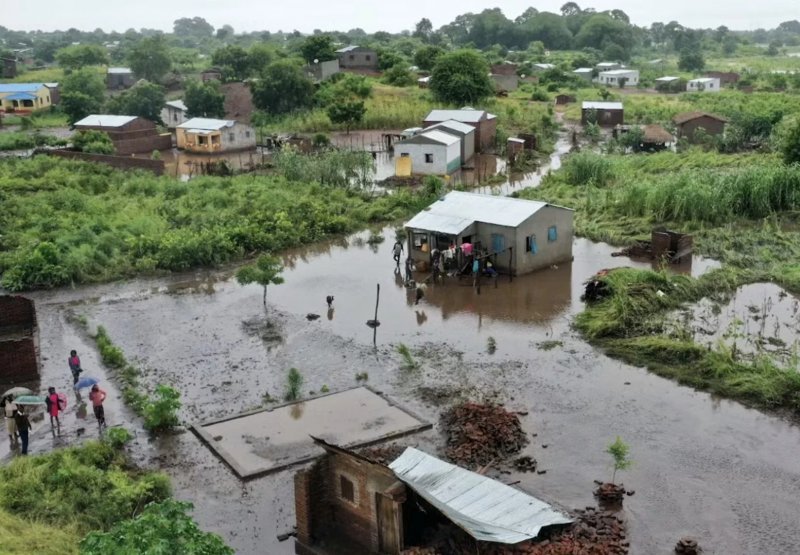
Harare, January 16, 2026 – The Europe Today: Severe flooding and torrential rain have resulted in over 100 deaths across South Africa, Mozambique, and Zimbabwe, with authorities warning of continued extreme weather affecting several southern African countries.
In South Africa, at least 19 fatalities have been reported in two northern provinces following heavy downpours that began last month, triggering widespread flooding, media reports said. The renowned Kruger National Park saw tourists and staff evacuated by helicopter from inundated camps. The park remains closed, with many areas rendered inaccessible due to washed-out roads and bridges, according to South Africa’s national parks agency.
Mozambique has reported 103 deaths during an unusually severe rainy season since late last year, according to the Institute for Disaster Management and Risk Reduction. Fatalities were caused by lightning strikes, drowning in floodwaters, infrastructure collapse, and cholera outbreaks. The World Food Programme noted that central and southern regions were hardest hit, affecting more than 200,000 people, destroying thousands of homes, and forcing tens of thousands to evacuate.
In Zimbabwe, 70 deaths have been recorded since the beginning of the year, alongside the destruction of over 1,000 homes. Critical infrastructure, including schools, roads, and bridges, has collapsed, according to the country’s disaster management agency.
Other nations in the region, including Madagascar, Malawi, and Zambia, have also been impacted. Madagascar reported 11 flood-related deaths since late November.
The US Famine Early Warning System highlighted that flooding has been reported or is anticipated in at least seven southern African countries, potentially linked to the La Niña weather pattern, known to bring heavy rainfall to parts of southeastern Africa.
Authorities in the affected countries have issued urgent warnings and are coordinating emergency response efforts to protect residents and mitigate further loss of life.