Today, media—especially social media—despite its flaws, has become a powerful force that shapes our reality and influences our lives. Every individual, armed with a device small enough to fit in the palm of a hand, now possesses the power to capture a moment and transmit it across continents within seconds. This unprecedented reach has altered the grammar of diplomacy itself. It has also generated myths, distortions, and manufactured narratives that often travel faster than truth. Yet within this vast digital noise, certain moments carry an authenticity so evident that they speak more convincingly than the longest speeches.
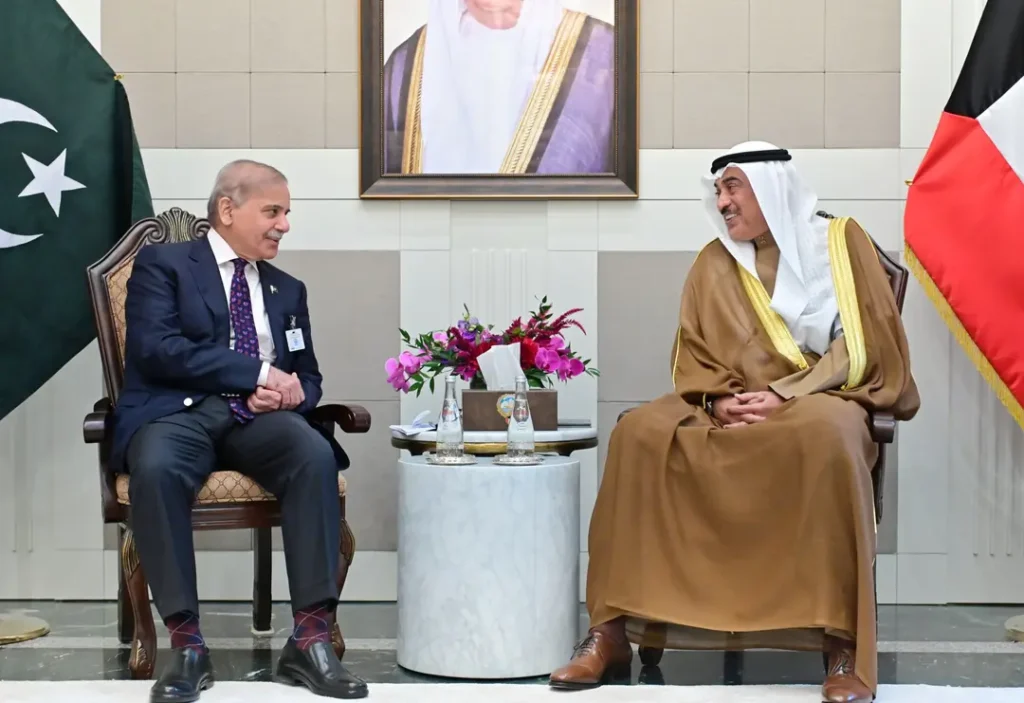
The recent gathering at Davos offered such moments. As global political and economic leaders converged once again, Pakistan’s presence stood out with unusual clarity and confidence. The Pakistani leadership appeared active, engaged, and assured, projecting seriousness rooted in purpose rather than showmanship. Prime Minister Shehbaz Sharif’s interactions with heads of state, leaders of international financial institutions, and corporate executives reflected a pragmatic, solution-oriented approach. His engagements centered on economic stabilization, investment opportunities, climate resilience, and regional connectivity, presenting Pakistan as a responsible partner rather than a passive recipient.
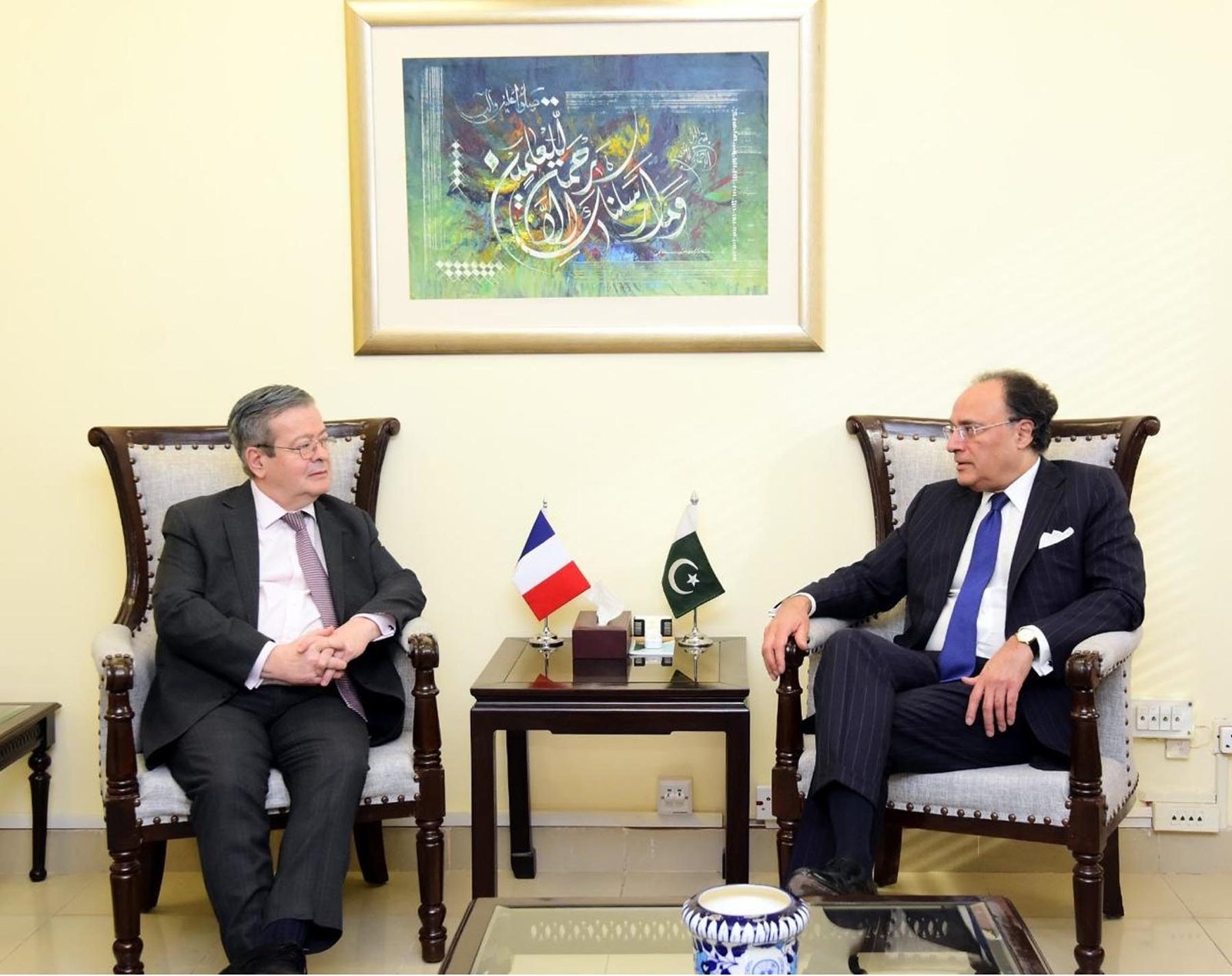
Alongside him, Deputy Prime Minister and Foreign Minister Ishaq Dar maintained sustained diplomatic engagement with his counterparts from Europe, the Middle East, and Asia. His exchanges reflected composure and experience, emphasizing balanced foreign relations, multilateral cooperation, and regional stability. These interactions reinforced the impression that Pakistan understands the subtleties of modern diplomacy and conducts itself with restraint and consistency.
Amid these engagements, the presence of Field Marshal General Syed Asim Munir quietly commanded particular attention. Seated without ostentation, his presence attracted visible interest from several global figures, including the President of the United States. Observers noted repeated glances and subtle gestures exchanged during the proceedings. In diplomacy, such unscripted moments often reveal more than prepared statements. They signal reassessment and recognition shaped by conduct rather than rhetoric. Honor, as faith reminds us, is bestowed by Allah upon whom He wills, and on that occasion, Pakistan appeared to stand at a rare intersection of dignity and global regard.
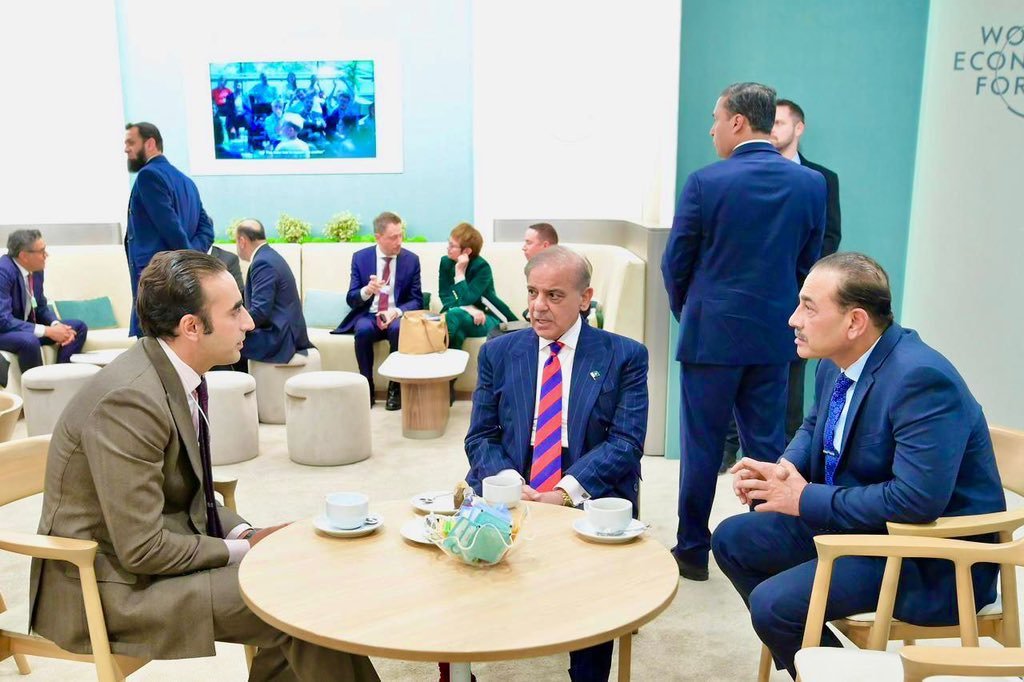
Equally compelling was the visual of Prime Minister Shehbaz Sharif, PPP Chairman Bilawal Bhutto Zardari, and Field Marshal Syed Asim Munir seated together. In a political environment often portrayed as fragmented, this image conveyed maturity and unity on matters of national interest. Captured and shared instantly, it achieved what lengthy declarations often fail to convey.
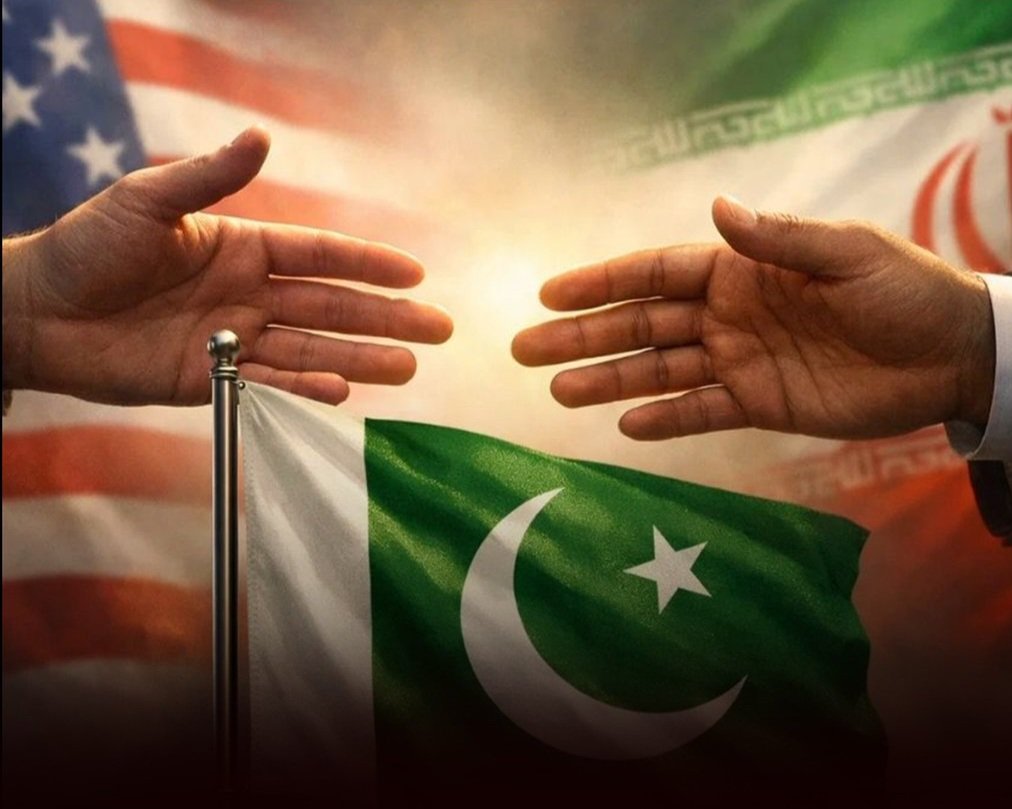
The positive perception surrounding Pakistan’s inclusion in peace-oriented discussions at Davos further strengthened this image. Yet it is notable that several influential countries have chosen not to formally join the Peace Board. Their hesitation reflects complex strategic calculations, domestic political constraints, and concerns about being bound by collective moral commitments in an increasingly polarized world. Even the United Kingdom, despite its long diplomatic tradition, has refrained from joining. This restraint appears particularly striking given that former British Prime Minister Tony Blair holds an important position within the Board. The paradox illustrates a broader reality of global politics; states often prefer influence without obligation, proximity without accountability.
In contrast, Pakistan’s potential association with such a forum is being viewed through a different lens. Its growing credibility, earned notably during the decisive events of May 2025 through restraint, professionalism, and strategic clarity, has positioned it as a state capable of contributing constructively to peace deliberations. The continued international visibility of the Field Marshal reinforces this perception of discipline and coherence.
At the same time, some school of thoughts suggested that if a discussion had been held in Parliament before any formal decision was made regarding Pakistan’s inclusion in the Peace Board, it would have further promoted wisdom in this move and strengthened democratic traditions. It would also provide political comfort to the government by transforming a strategic choice into a collective national position rather than an executive decision alone. In a polarized political climate, parliamentary endorsement would strengthen institutional consensus and shield foreign policy decisions from unnecessary controversy.
History offers instructive parallels for such an approach. Islamic political tradition provides enduring examples of principled engagement across faiths. There’s no denying that the Quran gives clear guidance on building relationships with Jews and Christians. Along with this, the Charter of Madinah bound Muslims and Jews into a single political community with shared obligations. Treaties with Christian communities, including that of Najran, guaranteed protection and religious freedom. Caliph Umar ibn al-Khattab’s covenant in Jerusalem and Sultan Salahuddin Ayyubi’s agreements with Christian adversaries reflected restraint, justice, and strategic wisdom. These precedents affirm that diplomacy rooted in moral clarity carries lasting influence.
In this context, Pakistan’s growing space within global peace forums enhances its capacity to advocate for oppressed peoples, particularly the Palestinians in Gaza. A credible and engaged Pakistan is better positioned to raise humanitarian concerns and protect Palestinian rights on influential platforms. Advocacy carries greater weight when it comes from a state perceived as united, responsible, and committed to peace rather than confrontation.
In an age where perception often precedes policy, images and brief moments carry extraordinary power. Objectives that once required prolonged speeches can now be advanced through seconds of authentic presence. The scenes from Davos projected unity, seriousness, and quiet confidence.
Ultimately, the significance of such moments lies not in fleeting applause but in sustained consistency. Prestige must be preserved through prudent policy, institutional harmony, and clarity of national interest. When civilian and military leadership move in disciplined coordination, the resulting image is one of stability and credibility. In a world where seconds matter and narratives shift rapidly, Pakistan’s recent projection affirms a timeless truth; sometimes, history is advanced not by words, but by presence.
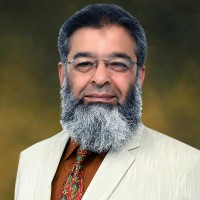
Director General National Assembly Parliament House Islamabad.