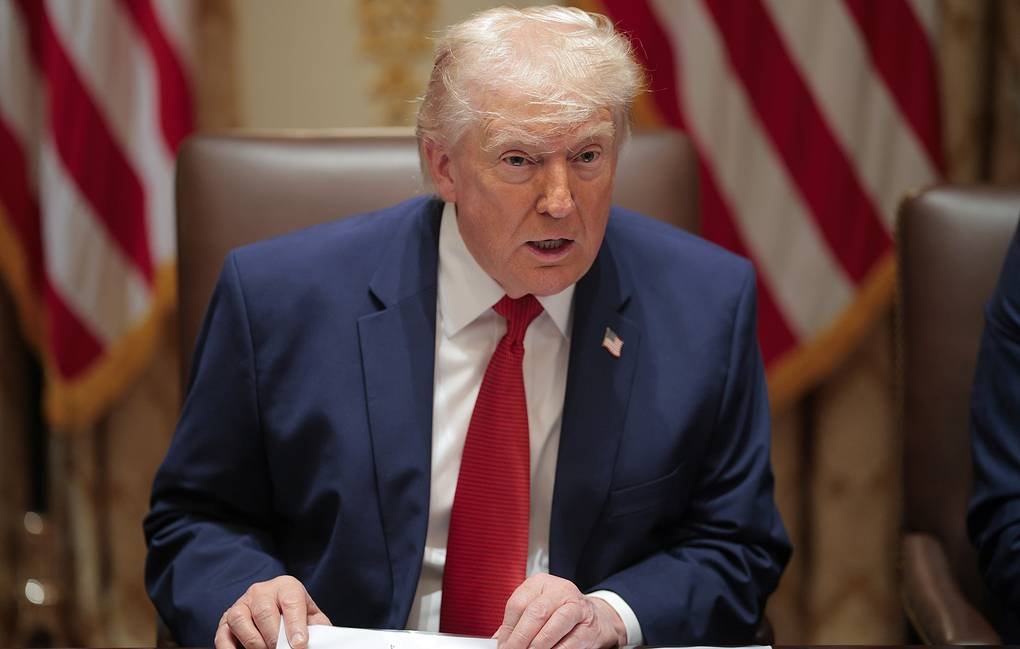
Washington, February 4, 2026 — The Europe Today: The U.S. House of Representatives on Tuesday narrowly approved a bipartisan agreement to end a partial government shutdown, sending the legislation to President Donald Trump for signature into law, media reports said.
The bill would restore lapsed funding for a range of federal agencies, including those responsible for defense, healthcare, labor, education and housing. It also provides a temporary extension of funding for the Department of Homeland Security, allowing lawmakers additional time to negotiate potential changes to immigration enforcement policies.
Funding for the affected agencies expired on Saturday after Congress failed to act before the deadline, triggering a partial shutdown. However, the lapse has not resulted in major disruptions to government services so far.
The legislation has already passed the Senate by a wide bipartisan margin and now awaits President Trump’s approval, which is widely expected.
In the House, the Republican-controlled chamber passed the measure by a narrow 217–214 vote. Twenty-one Republicans voted against the bill, while 21 Democrats supported it. With a slim 218–214 majority, House Republicans can afford to lose only one vote when facing unified Democratic opposition.
Democrats have called for new limits on the administration’s aggressive immigration enforcement practices, following the killing of two U.S. citizens by federal agents in Minneapolis last month. Meanwhile, some Republicans on the party’s right flank unsuccessfully sought to amend the legislation to include provisions tightening voting requirements.
The vote comes amid heightened sensitivity to shutdown risks, following the most recent government shutdown, which lasted a record 43 days in October and November. That shutdown furloughed hundreds of thousands of federal workers and was estimated to have cost the U.S. economy around $11 billion.