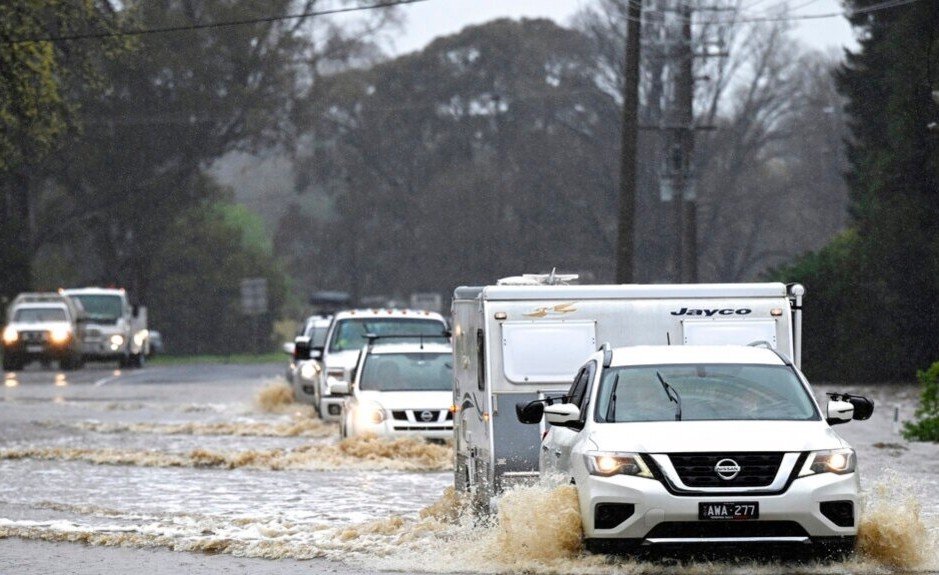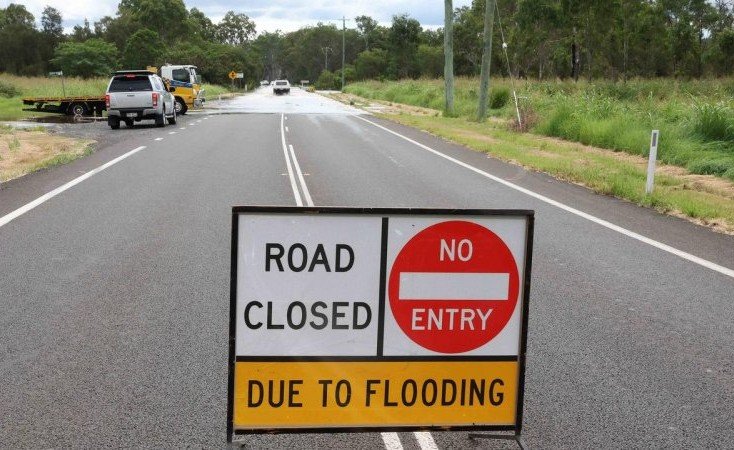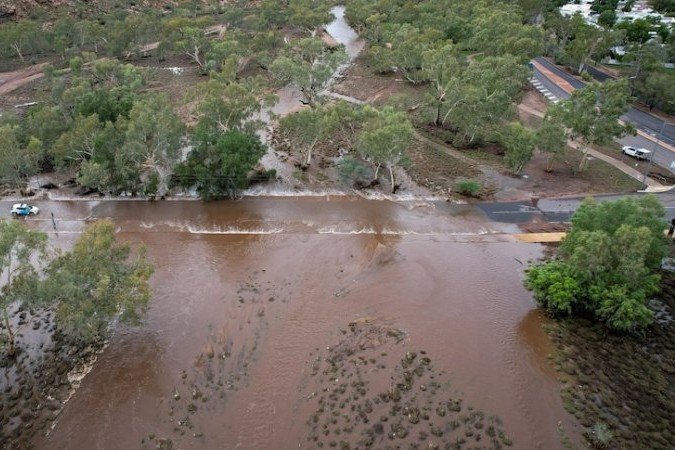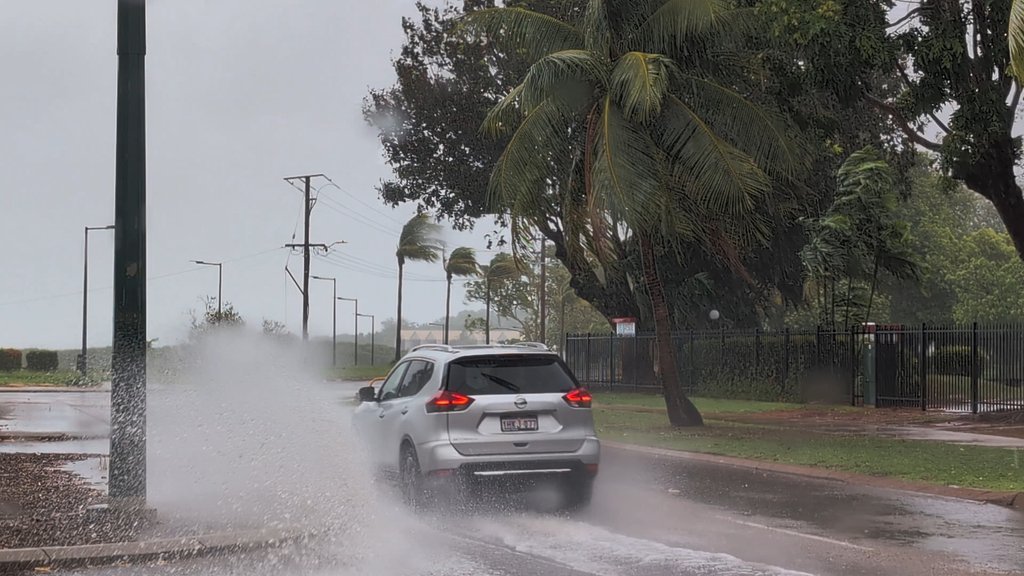
Sydney, February 7, 2026 – The Europe Today: Australia is preparing for severe weather as Tropical Cyclone Mitchell approaches landfall, with authorities warning of damaging winds, heavy rainfall and flooding risks expected to intensify from Sunday.
The system has formed off the Pilbara coast of Western Australia, already bringing strong winds and significant rainfall to coastal areas, according to media reports. The cyclone was upgraded overnight and is forecast to strengthen further as it moves closer to land late Saturday or early Sunday.
Senior meteorologist Angus Hines from the Bureau of Meteorology said the system was about 150 kilometres offshore but was already impacting the coast. He warned that even while over water, the cyclone would continue to deliver rain and strong winds to parts of Western Australia.
Forecasts indicate the system is likely to shift south on Sunday, with its current track suggesting landfall near Onslow, west of the Pilbara. As it moves inland, authorities expect further heavy rainfall and very strong winds across northwestern parts of the state.
Meteorologists warned that affected areas could experience damaging to destructive wind gusts, along with thunderstorms capable of triggering flash flooding and rising river levels, particularly later Saturday and into Sunday. By late Sunday, the system is expected to strengthen into a category three cyclone before gradually weakening on Monday, though heavy rainfall is forecast to persist throughout the week.
Residents have been urged to take precautionary measures, including stocking up on food and water in anticipation of possible power and water supply disruptions. Officials stressed the importance of securing properties as conditions deteriorate.
The development follows a second consecutive day of wild weather along the coast. On Friday, the system—then a tropical low—was located near Broome, bringing heavy rainfall across parts of the Kimberley. Curtin recorded 115 millimetres of rain in 18 hours, while Broome received more than 50 millimetres during the same period.
Once offshore, the cyclone is expected to draw energy from warm waters north of Western Australia, significantly increasing the risk of flooding, damaging winds and prolonged rainfall for coastal communities.