Brussels, February 12, 2026 – The Europe Today: A legal opinion issued this week has recommended that the European Court of Justice annul the European Commission’s 2023 decision to unfreeze €10.2 billion in EU funds for Hungary, stating that the country had not fulfilled all required conditions to qualify for the disbursement.
According to media reports, Advocate General Tamara Ćapeta concluded that Hungary failed to meet all previously established milestones tied to judicial reforms and rule of law standards. Although such opinions are not legally binding, rulings by the Court often align with the Advocate General’s recommendations.
EU funds allocated to Hungary had originally been frozen over concerns regarding systemic corruption and alleged violations of rule of law principles. However, in late 2023, the Commission proposed releasing €10.2 billion after determining that Budapest had made sufficient progress on justice reform benchmarks.
The decision drew criticism from the European Parliament, which subsequently launched legal proceedings in 2024 challenging the Commission’s move. In her opinion, Ćapeta maintained that Hungary should have fully complied with all stipulated milestones before receiving the funds.
Allegations of Political Trade-Off
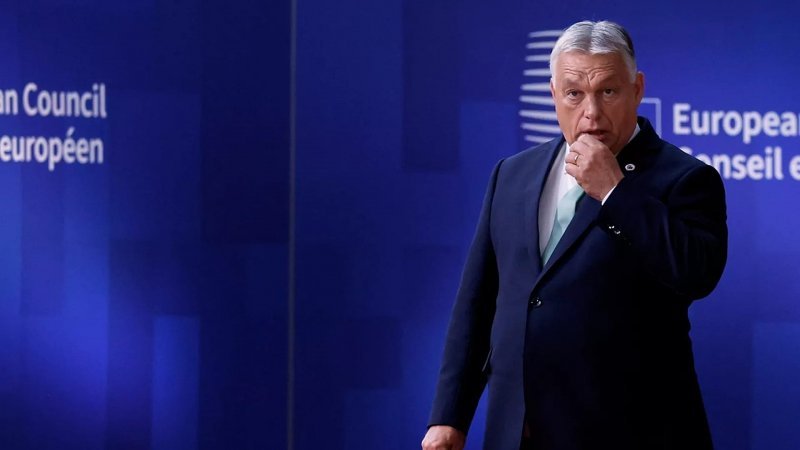
The Commission’s decision to unfreeze the funds came shortly before a critical December 2023 EU summit, during which Hungarian Prime Minister Viktor Orbán had threatened to veto a €50 billion financial aid package for Ukraine and block the initiation of EU accession talks with Kyiv.
During the summit proceedings, Orbán temporarily left the meeting room, enabling the remaining 26 EU leaders to approve the start of accession negotiations with Ukraine. Subsequently, at an extraordinary summit in February 2024, Hungary withdrew its veto on the €50 billion Ukraine support package.
These developments prompted some Members of the European Parliament (MEPs) to allege the possibility of a political arrangement, suggesting that the release of funds may have been linked to Hungary’s withdrawal of its veto. The European Commission has firmly denied any such backroom agreement.
The Advocate General’s opinion comes two months ahead of Hungary’s parliamentary elections scheduled for April. Should the Court ultimately determine that the payment violated EU rules, the Commission could require Hungary to repay the funds or deduct the amount from future allocations.