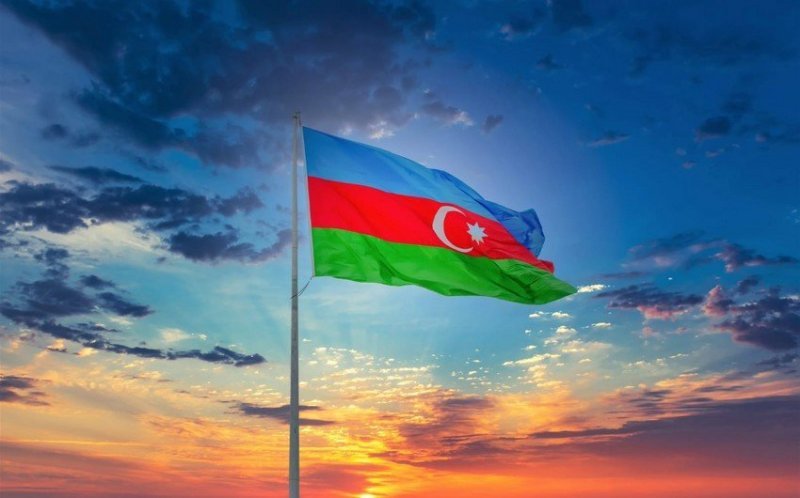
The 44 days patriotic war by Azerbaijan resulted in the liberation of its occupied territories by Armenia. Azerbaijan’s government initiated a post liberation resettlement programme named the “Great Return”. It encourages the voluntary return of the internally displaced people back to their original homes. The Programme ensured safe and dignified return of the affected people. Besides humanitarian nature, the Programme also embarks on the post-war state-building, economic revitalization, security consolidation, and national reconciliation.
Historical Context of Displacement
The early 1990s occupation of Azerbaijan’s territories by Armenia resulted into forceful displacement of around 700000 people. Armenia illegally occupied around 20 percent of Azerbaijan’s territory of Karabagh and surrounding districts. Although, Azerbaijan’s government provided them best places to live, yet they were forced not to come to their original lands. Over the period of time, their living conditions alongwith housing, employment opportunities, and health and education facilities were improved, displacement remained a central national trauma and a defining feature of Azerbaijan’s domestic and foreign policy. Nevertheless, Azerbaijan wrote a history in the South Caucasus by liberating its territories only after Armenia constantly violated the peace agreements. With the liberation of these territories, long standing conflict and turbulence in the region came to ana end. It has also given birth to the new geopolitical landscape in the South Caucasus region.
Conceptualizing the “Great Return”
The initiative taken by the President Ilham Aliyev, its major emphasis is on three interlinked principles; security, sustainability, and dignity. The Great Return is beyond a logistical move, it’s symbolic in nature. It’s a long-term development strategy initiative taken by the government. Returns are to be voluntary and phased, guided by careful assessment of landmine clearance, infrastructure readiness, and socio-economic viability. This initiative has been taken after a very careful examination of such other cases across the globe in order to avoid insecurities and social tensions. Azerbaijan’s model seeks to avoid these pitfalls by synchronizing return with reconstruction, employment creation, and service provision.
Demining as a Prerequisite for Return
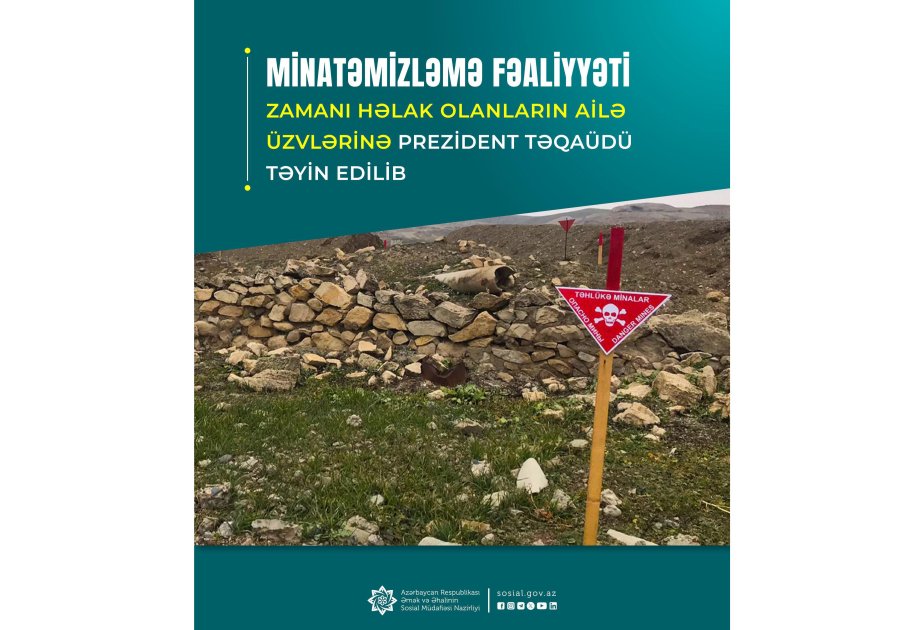
After occupation of Azerbaijan’s territories, Armenia heavily mined most of the region. Besides hundreds of thousands of landmines, other weapons have also been left behind by the Armenian forces endangering the lives of returnees to their lands and homes. These landmines have also halted the economic activities in all the liberated regions. Removal and dismantling of landmines is the top priority of Azerbaijani government at the moment. However, those areas which have been cleared of this danger, are opened for the returning families. International organisations have provided helped to the Azerbaijan National Agency for Mine Action (ANAMA) for demining of the area. Nevertheless, the process of demining is time taking, and needs a very careful strategy. It also needs latest technology for the timely competition of the process. The slow pace of demining underscores a central reality: the Great Return is inherently a long-term process rather than an immediate post-war outcome. Mine action has therefore become the cornerstone of Azerbaijan’s post-war recovery strategy.
Reconstruction and the “Smart City–Smart Village” Model
At the core of reconstruction of the areas is the concept of Smart Cities and Villages. The process has already been started in areas such as Aghali (Zangilan), Fuzuli, Shusha, and Lachin. These projects integrate renewable energy, digital governance, modern infrastructure, and climate-resilient design. This model has multiple objectives. For the sake of economic sustainability, this model will attract investment and generation of employment opportunities in these regions. Politically, it gives a sense to the population that state acts like a protector and facilitator, and has the capability to ensure complete sovereignty. Symbolically, it projects an image of renewal, modernity, and irreversible return.
Socio-Economic Reintegration of IDPs
Provision of housing facilities alone will not the serve of rehabilitation. The process needs availability of health facilities, education, sustainable livelihood, and most importantly social cohesion. The Azerbaijani government has therefore linked return policies with regional economic development plans focusing on agriculture, tourism, logistics, and light industry. Government focuses on the agricultural development in areas like Karabakh and East Zengezur. While historic city of Susha is being built as the cultural hub and tourism attraction. By aligning resettlement with economic opportunity, the state aims to prevent secondary displacement and ensure that return is durable rather than symbolic.
Governance and Institutional Capacity
The Great Return is also a test of governance for the authorities. Coordinating demining, construction, social services, and population movement requires strong inter-agency cooperation and effective governance. Government of Azerbaijan has established a special setup to effectively materialize this task. It reflects the government’s sincerity towards the rehabilitation of the displaced people. It also reflects that the social contract between the state and citizens have been reinforced. Return to the homelands had been decades promise of Azerbaijan’s government to the displaced people. The state never forgot its prime duty, and now when the time came, regime immediately started materialization of this duty. This realization has further strengthened public trust and national cohesion. Furthermore, citizens’ urge to return back to their homelands, even when demining and infrastructure has not been completed, show the bravery of people as well as it puts a pressure on the state to timely complete the rehabilitation process.
Regional and International Dimensions
The Great Return is not confined to domestic domain of Azerbaijan only, it has certain regional and global imprints as well. Regionally, it consolidates the post-2020 status quo and alters demographic realities in the South Caucasus. The Return also presents a case study to international community as a model of post-conflict recovery within the limits of set principles on international law. The resolution of disputed territories also led to a process of normalization of relations with Armenia. This approach will bring broader regional stability. It will eventually help achieving the regional connectivity projects and increased trade. It will also help easier cross border movement of good, services, and people. Sustainable peace remains a necessary condition for the long-term success of resettlement.
Conclusion
The Great Return is a transformative moment not only for the IDPs but the whole nation of Azerbaijan. It has become a symbol of national pride, resilience, and cohesion. However, it is important to ensure inclusivity, transparency, and community participation in order to avoid top-down planning that overlooks local needs. It also important to consider that quality of life in the liberated lands is more important than the quantity of returnees to their homes.
Despite the challenges like stress on resource, demining, and long term economic sustainability, the initiative can be declared as one of the best in the modern history. It is expected that the Great Return will lead to the lasting peace, development, and social justice in the liberated lands. If managed effectively, it has the potential not only to restore communities but also to reshape the socio-economic and political landscape of the South Caucasus for decades to come.

Bahria University, Islamabad, Pakistan.