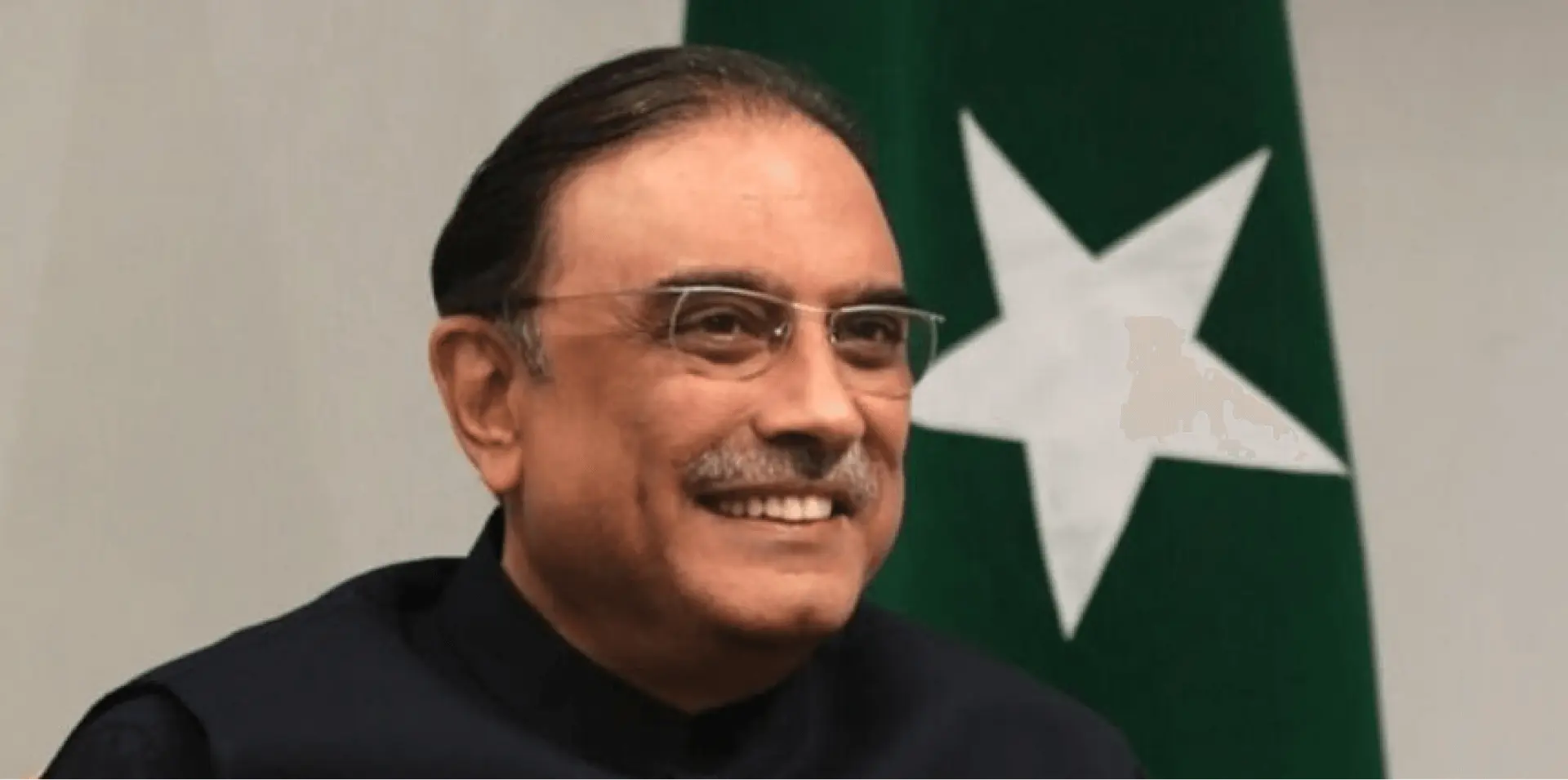
Islamabad President Asif Ali Zardari on Friday called for a renewed national commitment to protecting and promoting Pakistan’s diverse mother tongues, describing linguistic diversity as a source of strength and a foundation for inclusive national development.
In his message on International Mother Language Day, observed annually on February 21, the president emphasized that language plays a vital role in shaping identity, dignity and opportunity. He noted that Pakistan is home to a rich tapestry of languages, including Punjabi, Pashto, Sindhi, Balochi, Seraiki, Brahvi, Hindko, Shina, Burushaski, Wakhi and Hazargi, reflecting centuries of shared history and cultural exchange.
The president stated that while Urdu serves as a lingua franca connecting the Federation, mother tongues remain the first voice of children and the primary carriers of inherited knowledge and tradition.
“Language is more than a medium of speech. It shapes how communities remember their past, organise social life and understand the world around them. It carries moral traditions, local wisdom and inherited experience,” he said, adding that when a language weakens, more than words are lost — a distinct way of seeing and interpreting reality begins to fade.
Highlighting Pakistan’s multi-ethnic and multilingual character, President Zardari said the challenge lies not in diversity itself but in nurturing cohesion while safeguarding shared heritage. He stressed that unity does not require uniformity, but rests on mutual recognition and equal dignity.
Underscoring the practical importance of mother tongues in education, he noted that children who begin schooling in the language spoken at home are more likely to develop stronger cognitive skills, better comprehend lessons and remain confident in continuing their education. In contrast, instruction delivered solely in an unfamiliar language can widen learning gaps and increase dropout rates, particularly in early years.
The president also pointed out that farmers, artisans and small business owners often rely on local languages to access services, markets and information. Supporting mother tongues, he said, strengthens not only cultural identity but also literacy, mobility and economic participation.
Citing research and international experience, he said mother tongue-based multilingual education enhances comprehension, facilitates the acquisition of additional languages and safeguards indigenous knowledge embedded in local expression.
In Pakistan’s context, careful integration of regional languages into education and public life could deepen national cohesion by affirming that every community’s heritage is valued within the Federation, he added.
Referring to International Mother Language Day, President Zardari said the occasion calls on nations worldwide to protect linguistic diversity and promote multilingualism, as languages carry unique worldviews and ways of thinking. Protecting minority and regional languages, he noted, is not merely symbolic but an investment in inclusive and sustainable societies.
“As we observe this day, let us renew our commitment to respecting and promoting all mother tongues of Pakistan. In the new technological era, it is not difficult to promote any language,” the president said.
He concluded that by honouring the country’s linguistic diversity, Pakistan can strengthen the foundations of its democracy and ensure that every citizen feels heard, understood and represented.