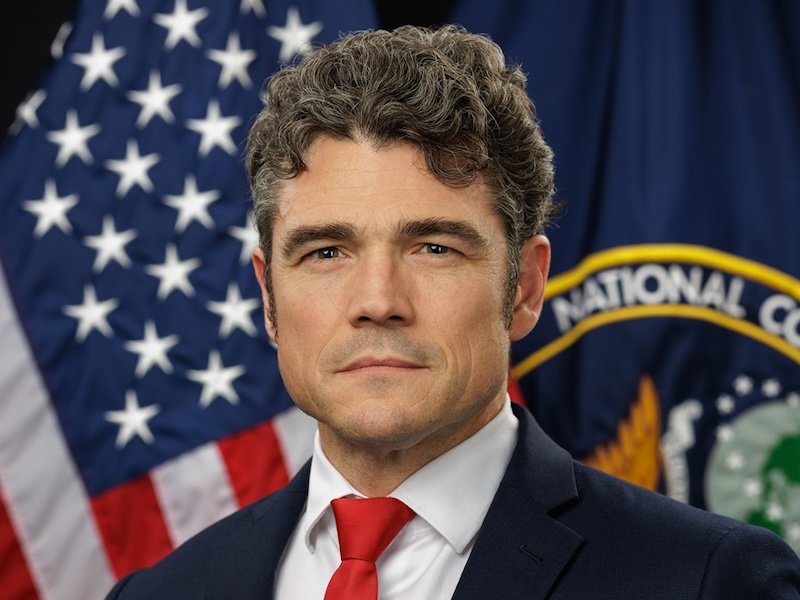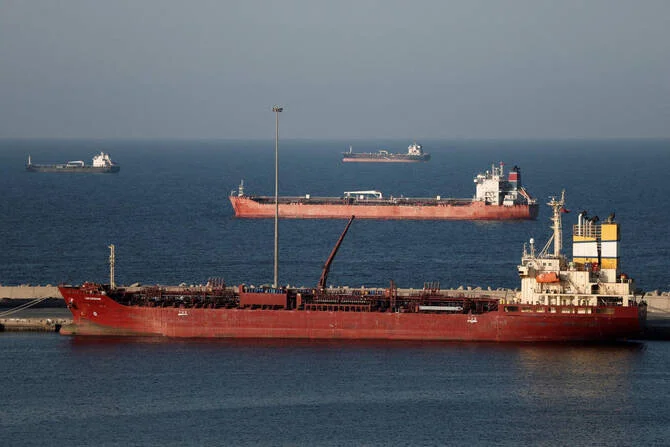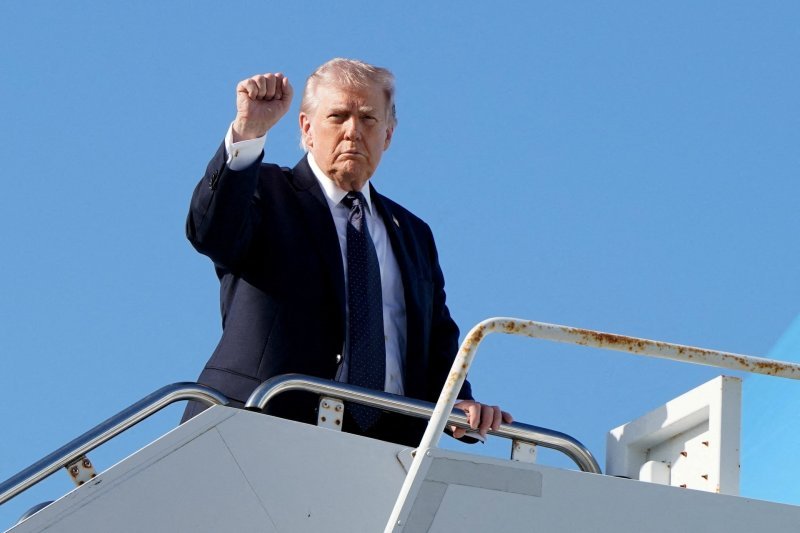
Washington, March 4, 2026 – The Europe Today: US President Donald Trump announced on Tuesday that the United States will provide political risk insurance and may deploy naval escorts for vessels transporting energy and other commodities through the Middle East Gulf amid escalating regional tensions.
According to media reports, Trump said he had directed the US government finance agency, the Development Finance Corporation (DFC), to offer political risk insurance and financial guarantees aimed at safeguarding maritime trade. “I have instructed the Development Finance Corporation to provide, at a very reasonable price, political risk insurance and guarantees for the financial security of all maritime trade, especially energy,” Trump said.
The move comes as shipping activity through the Strait of Hormuz, the world’s most critical shipping corridor for oil, liquefied natural gas (LNG), and other commodities, has sharply declined following US and Israeli strikes on Iran on February 28. Reports indicate that vessel traffic through the strait has fallen by 94 percent since the start of the conflict.
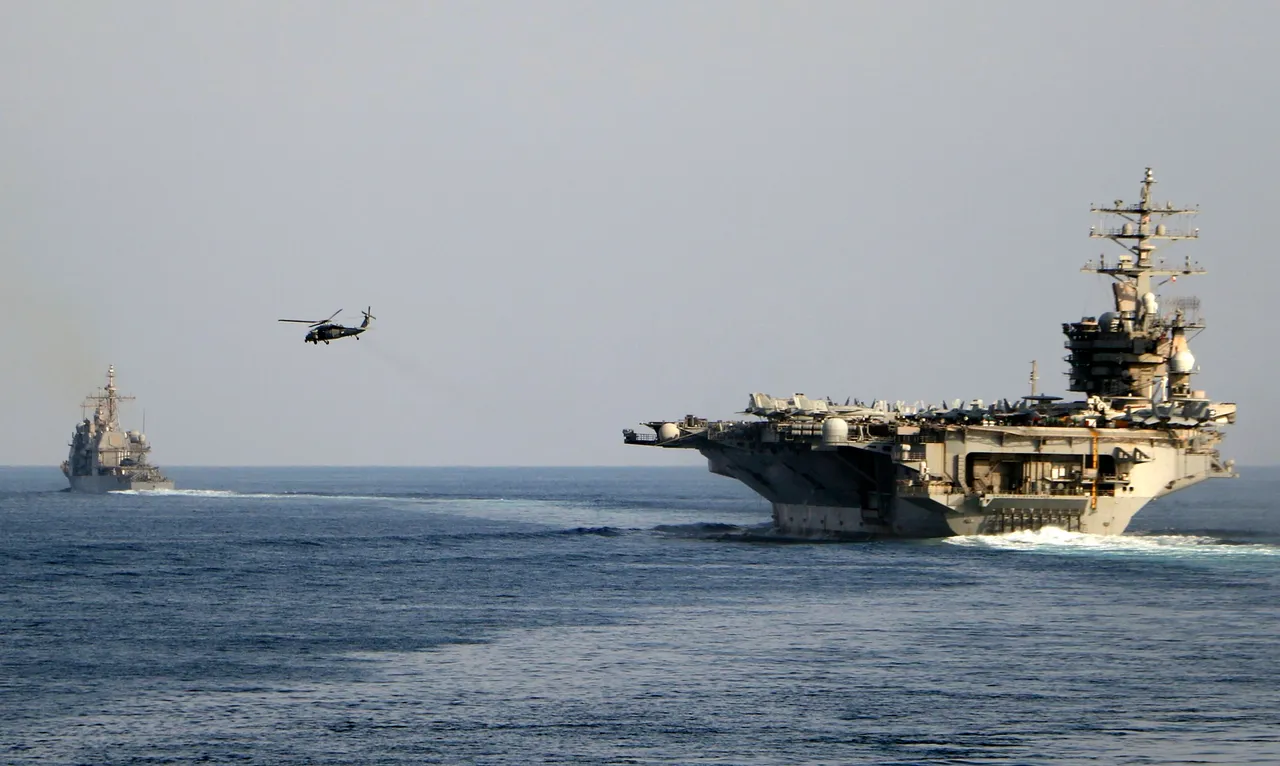
Trump also signaled the possibility of direct naval protection for commercial vessels passing through the strategic waterway.
“If necessary, the United States Navy will begin escorting tankers through the Strait of Hormuz as soon as possible,” he said.
The announcement follows growing concerns within the global maritime insurance sector. Several major protection and indemnity (P&I) clubs have informed their members that re-insurers plan to cancel war risk coverage in parts of the Middle East Gulf and the Gulf of Oman.
The affected organizations include London P&I, the UK-based Steamship Mutual Underwriting Association, American P&I, Norway-based Gard, and the Swedish Club.
The decision comes after marine insurers Skuld, based in Oslo, and the UK-based NorthStandard P&I earlier suspended war risk coverage in certain areas of the Middle East Gulf and the Gulf of Oman due to heightened security risks.
Analysts warn that the disruption in shipping and insurance coverage could significantly impact global energy markets if instability in the region persists.