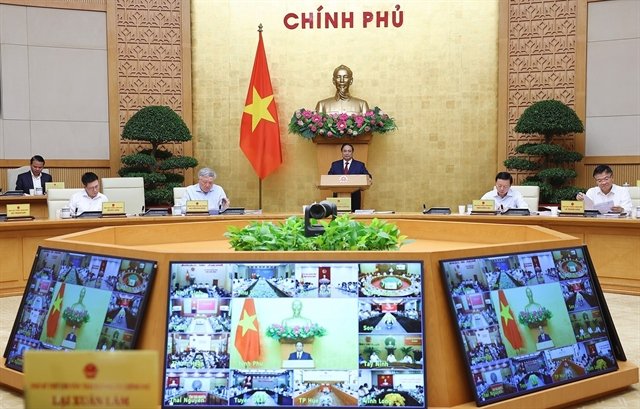
Hanoi, March 11, 2026 – The Europe Today: Prime Minister Phạm Minh Chính on Tuesday chaired a meeting with ministries, agencies and the national energy security task force to discuss measures to ensure a stable and proactive energy supply for socio-economic development, particularly as the country pursues double-digit economic growth targets amid tensions in the Middle East affecting global energy markets.
The meeting in Hanoi reviewed developments in the Middle East conflict and assessed its potential impact on global energy supply chains, especially crude oil availability. Participants also examined forecasts for global oil prices, outlined possible scenarios and proposed response measures to mitigate risks and safeguard Vietnam’s energy security.
Prime Minister Chính said timely and flexible policy responses had helped minimise the negative impact of Middle East developments and volatility in the global petroleum market on the Vietnamese economy, including domestic production, business operations and consumer demand.
Reaffirming the government’s determination to avoid any energy shortages, he noted that the government had swiftly established an energy security task force. The premier said he had also held discussions with international leaders while the government issued urgent directives, and ministries, sectors and major state-owned enterprises had actively implemented measures such as strengthening energy diplomacy and boosting domestic fuel production and supply.
To ensure stable energy supplies in the coming period, Chính called for further diversification of crude oil sources. He urged the immediate implementation of agreements reached during his recent phone talks with leaders of Kuwait, Qatar and the United Arab Emirates to increase crude oil supplies for Vietnam’s refining sector.
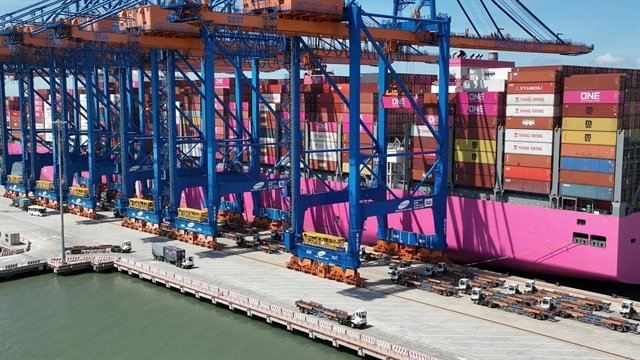
Authorities were also instructed to seek additional sources of crude oil and petroleum imports to ensure adequate supply for production, consumption and national reserves.
The prime minister directed ministries and relevant agencies to closely coordinate in regulating domestic fuel prices in line with existing regulations, while monitoring global price movements to ensure timely and effective adjustments. He also stressed the need to strictly prevent hoarding, speculative stockpiling and bulk purchases ahead of potential price increases.
Regarding price stabilisation measures, Chính agreed in principle with a proposal from the Ministry of Industry and Trade of Vietnam to utilise the petrol price stabilisation fund in accordance with regulations. Deputy Prime Minister Bùi Thanh Sơn was assigned to decide on the matter the same day.
Meanwhile, the Ministry of Finance of Vietnam was tasked with proposing a plan to reduce the environmental protection tax on petroleum products to zero percent and submit the proposal to the government by March 12.
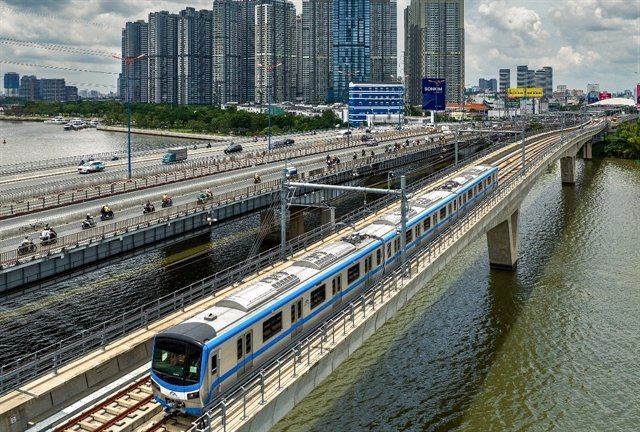
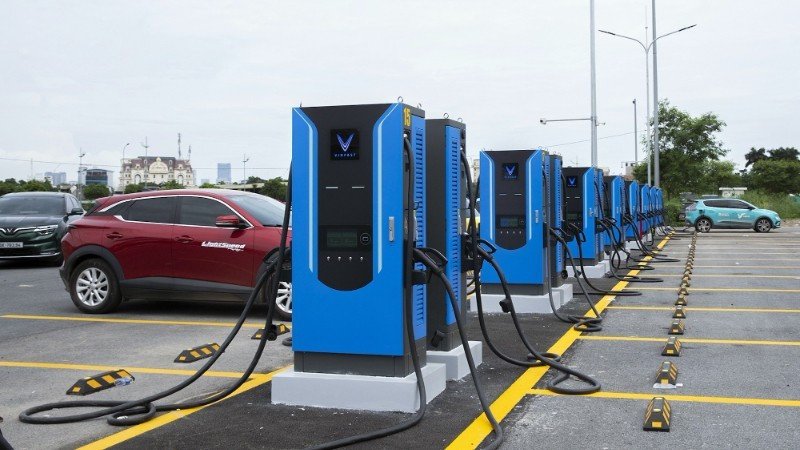
Prime Minister Chính also called for stronger efforts to accelerate the country’s energy transition, promote the use of E10 biofuel and encourage energy conservation through public awareness campaigns. He urged authorities to promote the adoption of electric and clean-energy vehicles, improve fuel efficiency in transport and expand the use of public transportation.
He further emphasised the need to ensure sufficient fuel supply for key national projects, particularly those linked to the APEC Economic Leaders’ Week 2027. The Ministry of Industry and Trade was instructed to coordinate with power producers to develop operational plans to maintain stable energy supply.
The Ministry of Public Security of Vietnam was assigned to work with the Ministry of Industry and Trade to strengthen inspections and strictly address violations such as fuel hoarding and price manipulation.
Authorities were also tasked with studying the implementation of a national oil reserve programme and developing a long-term strategy to enhance Vietnam’s energy self-reliance, with funding to be allocated from contingency budget sources to support national energy security initiatives.