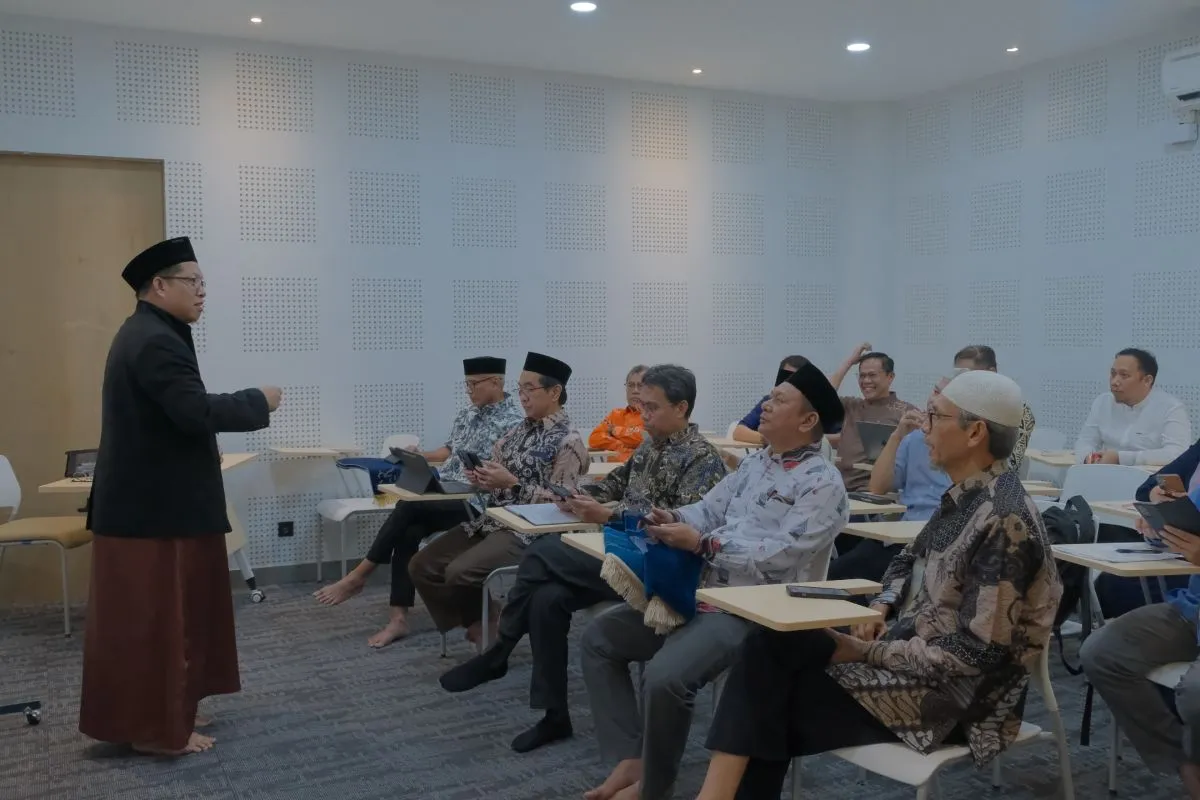
Makassar, March 14, 2026 – The Europe Today: Leaders at Hasanuddin University in South Sulawesi are strengthening Arabic language proficiency and cultural literacy to expand cross-border academic cooperation and advance science diplomacy, particularly with universities in the Middle East.
Applied linguistics expert Professor Yusring Sanusi Baso said the initiative seeks to integrate language skills with sociocultural understanding and professional protocols commonly practiced in Middle Eastern academic environments. In a statement issued in Makassar on Saturday, he noted that such an approach equips university leaders with the cultural capital needed to navigate transnational research collaborations and international education partnerships.
He explained that strong language proficiency enables researchers to access global academic literature, publish scientific work and participate more effectively in international scholarly forums. At the same time, deeper cultural understanding helps scholars interpret social norms, collaboration ethics and sensitivities that shape research partnerships and institutional engagement across different countries.
Professor Baso added that combining language competence with cultural literacy enhances universities’ capacity to build international collaboration, secure research funding and promote national interests through scientific exchange, innovation and knowledge transfer.
Hasanuddin University Rector Professor Jamaluddin Jompa said the program also serves as a strategic tool to overcome communication barriers while expanding global academic partnerships. He noted that the initiative provides intellectual enrichment and creates a strategic bridge for university leaders to develop more inclusive cooperation with institutions in the Middle East.
“By mastering language tools and understanding cultural dynamics comprehensively, we are laying the groundwork for more equal and sustainable academic diplomacy in the future,” Jamaluddin said.
He added that the initiative reflects the university’s efforts to adapt to shifting geopolitical dynamics in global higher education and research collaboration. The program is expected to strengthen Hasanuddin University’s international academic engagement at a time of intensifying global competition among universities.
Jompa emphasized that improving cross-cultural literacy will enable the institution to interact more effectively with partners from diverse cultural and academic traditions while reducing misunderstandings in research cooperation and strengthening the sustainability of academic networks.
The initiative forms part of broader institutional efforts to internationalize research, teaching and collaboration programs with universities abroad. By narrowing cross-cultural knowledge gaps, Hasanuddin University aims to build more authentic and balanced partnerships based on mutual understanding and shared academic goals.
According to Jamaluddin, these efforts will help position the university as a responsive global academic actor and support its long-term ambition to achieve recognition as a world-class university through stronger international networks.