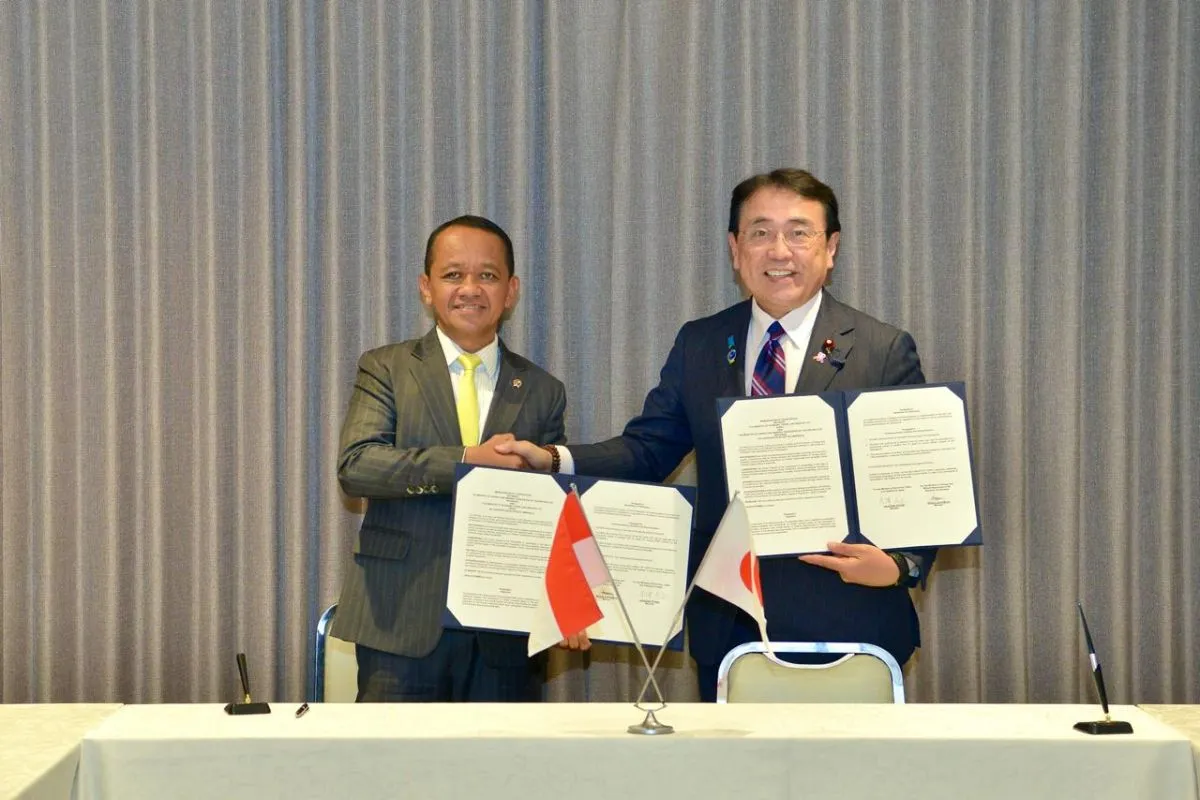
Tokyo, March 16, 2026 – The Europe Today: Indonesia and Japan have signed a Memorandum of Cooperation (MoC) in two strategic sectors—critical minerals and nuclear energy—on the sidelines of the Indo-Pacific Energy Security Ministerial and Business Forum (IPEM) held in Tokyo on Sunday.
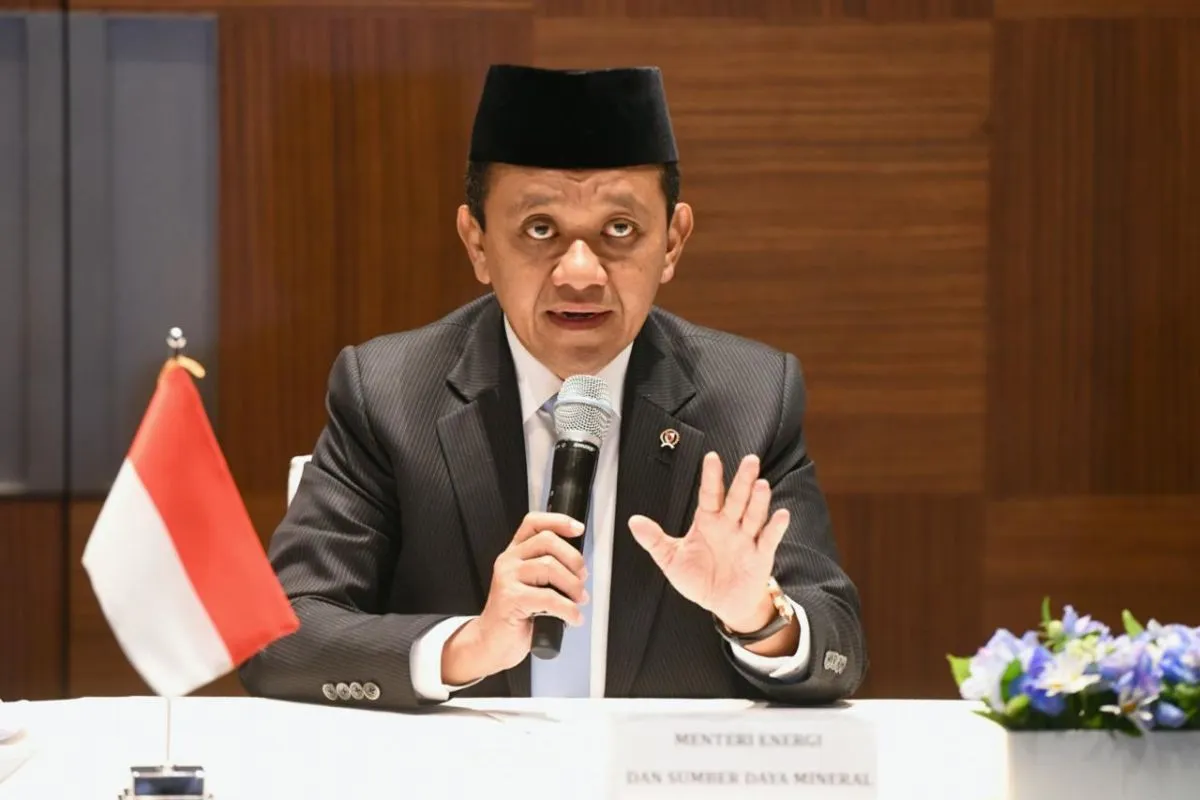
Indonesia’s Minister of Energy and Mineral Resources (ESDM), Bahlil Lahadalia, stated that the partnership aims to develop a more integrated and sustainable energy system while strengthening cooperation between the two countries.
Lahadalia emphasized Indonesia’s openness to international collaboration in the management of critical mineral resources. He noted that Indonesia possesses the world’s largest nickel reserves, along with significant deposits of bauxite, tin, copper, and rare earth elements.
“We are delighted to invite the Japanese government and our Japanese business partners to jointly manage our critical minerals in Indonesia,” Lahadalia said in a statement.
On the same occasion, Japan’s Minister of Economy, Trade and Industry (METI), Ryosei Akazawa, highlighted the importance of international cooperation to address global uncertainty and ensure the sustainability of energy supply.
“Amid the current global crisis, it is crucial for us to strengthen cooperation to maintain energy security. Japan itself has prepared strategic energy reserves as a precautionary measure,” Akazawa said.
He also reiterated Japan’s commitment to supporting various energy cooperation initiatives with Indonesia, including the completion of the Legok Nangka Waste-to-Energy Power Plant (PLTSa) as part of the two countries’ broader strategic partnership.
According to Indonesia’s Ministry of Energy and Mineral Resources, cooperation in the critical minerals sector will focus on strengthening the global supply chain to improve reliability and ensure long-term stability. Meanwhile, collaboration in nuclear energy will center on the development of low-carbon technologies with high safety standards.
Both countries also agreed to continue discussions on enhancing regional energy security, including cooperation in liquefied natural gas (LNG) and coal supply chains, as well as accelerating energy transition initiatives under the Asia Zero Emission Community (AZEC) framework.
Key projects under this framework include the operation of the Sarulla Geothermal Power Plant (PLTP) and the completion of the Legok Nangka waste-to-energy facility.
The partnership is expected to strengthen energy security and support decarbonization efforts across the Indo-Pacific region.