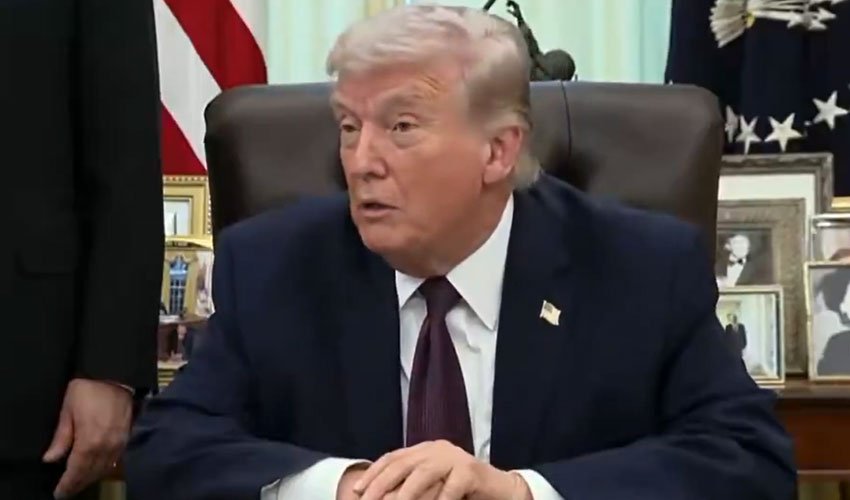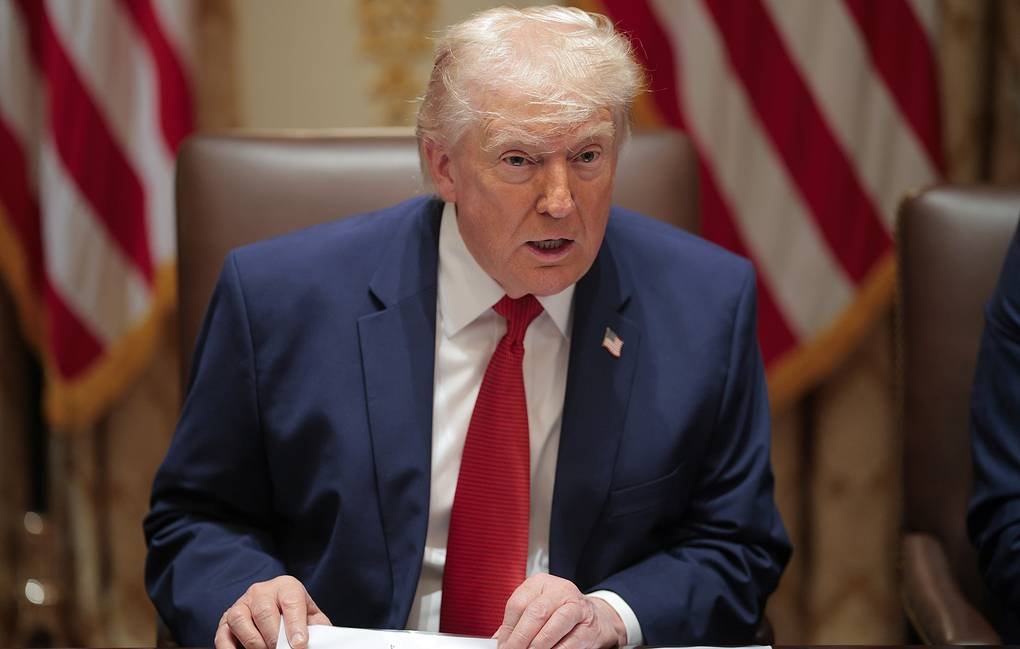
Washington, March 17, 2026 – The Europe Today/GNP: Donald Trump has warned that North Atlantic Treaty Organization (NATO) could face a “very bad” future if its member states fail to assist Washington in reopening the strategically vital Strait of Hormuz, which has been disrupted by ongoing military conflict.
In an interview published Sunday by the Financial Times, Trump urged American allies and major global economies to contribute military support to secure the narrow waterway, which connects the Persian Gulf to global markets and serves as a critical route for energy supplies.
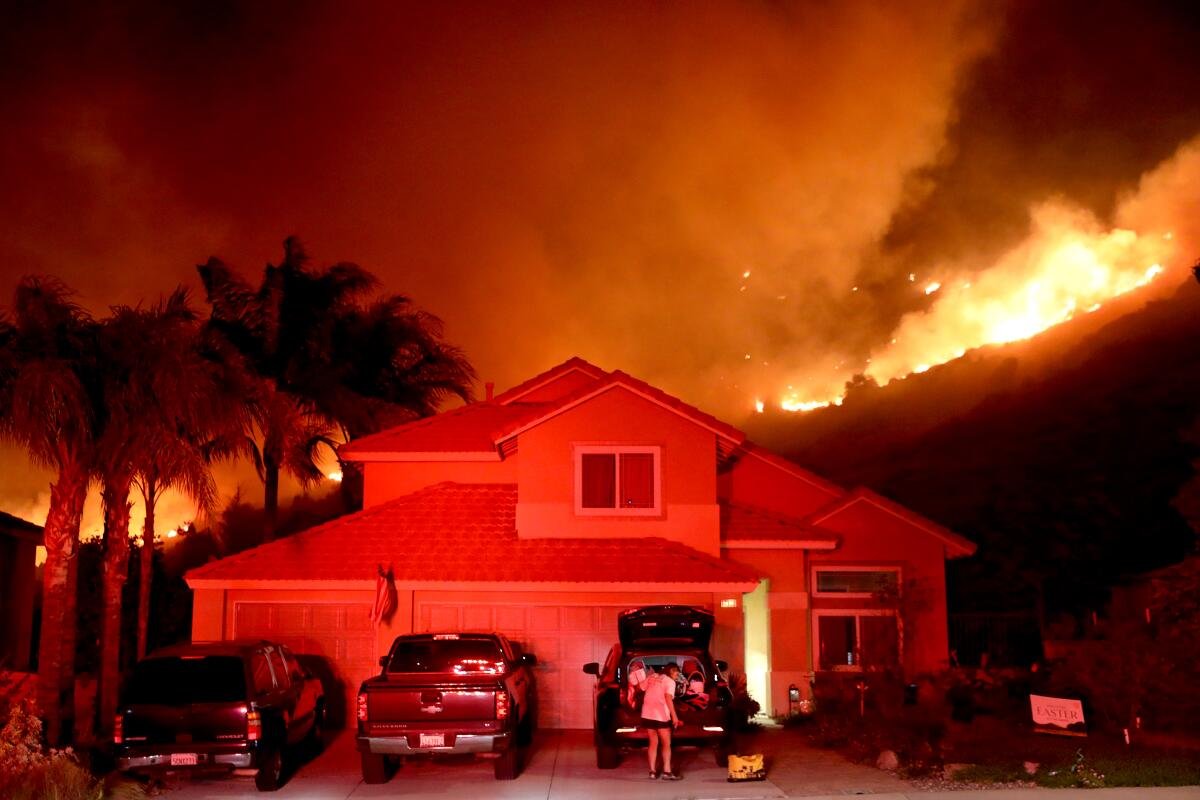
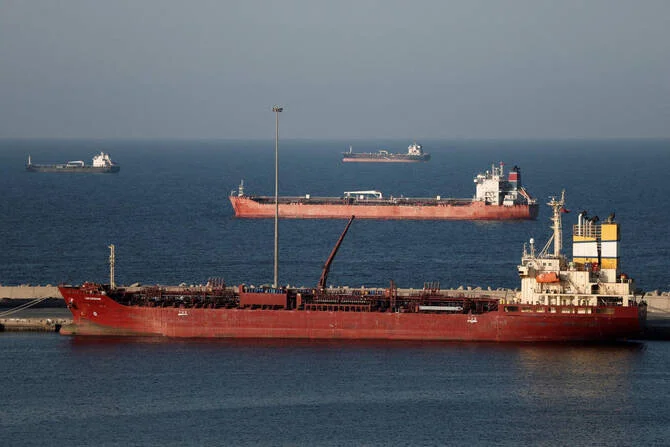
The Strait of Hormuz carries roughly 20 percent of the world’s oil and liquefied natural gas shipments, making it one of the most strategically important maritime chokepoints. The passage has been effectively blocked by Iran following U.S. and Israeli strikes on February 28, raising concerns about prolonged disruptions to global energy flows and shipping routes.
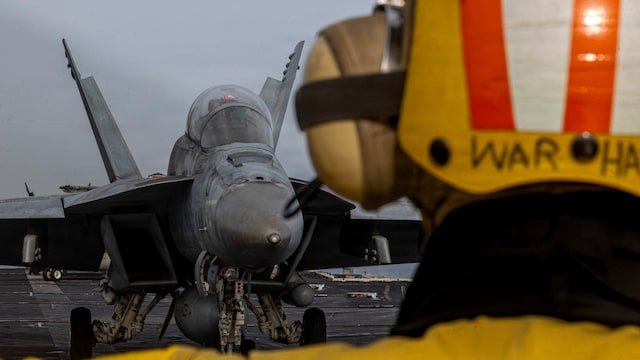
Trump criticized several NATO allies and other major economies for relying heavily on Gulf energy while contributing little to protecting the waterway. He called on countries including the United Kingdom, France, Japan, South Korea and China to deploy military assets such as minesweepers, air-defense systems and special forces to help secure and reopen the strait.
“If they don’t help, NATO is going to have a very bad future,” Trump said, suggesting that the alliance must demonstrate reciprocal support for U.S. security initiatives.
The U.S. president also singled out China, noting Beijing’s heavy reliance on oil transported through the Strait of Hormuz. Trump suggested he could delay a planned summit with Xi Jinping if Beijing does not clarify its position on assisting efforts to secure the route.
The remarks come amid escalating tensions in the Middle East, with global oil prices surging and multiple countries voicing concern over the economic consequences of a prolonged disruption in Gulf energy exports.
Trump also expressed frustration with some European allies over what he described as slow responses to Washington’s calls for naval deployments in the region, particularly from the United Kingdom. The situation highlights growing strains within NATO as the alliance confronts the geopolitical and economic ramifications of the intensifying U.S.–Iran confrontation.