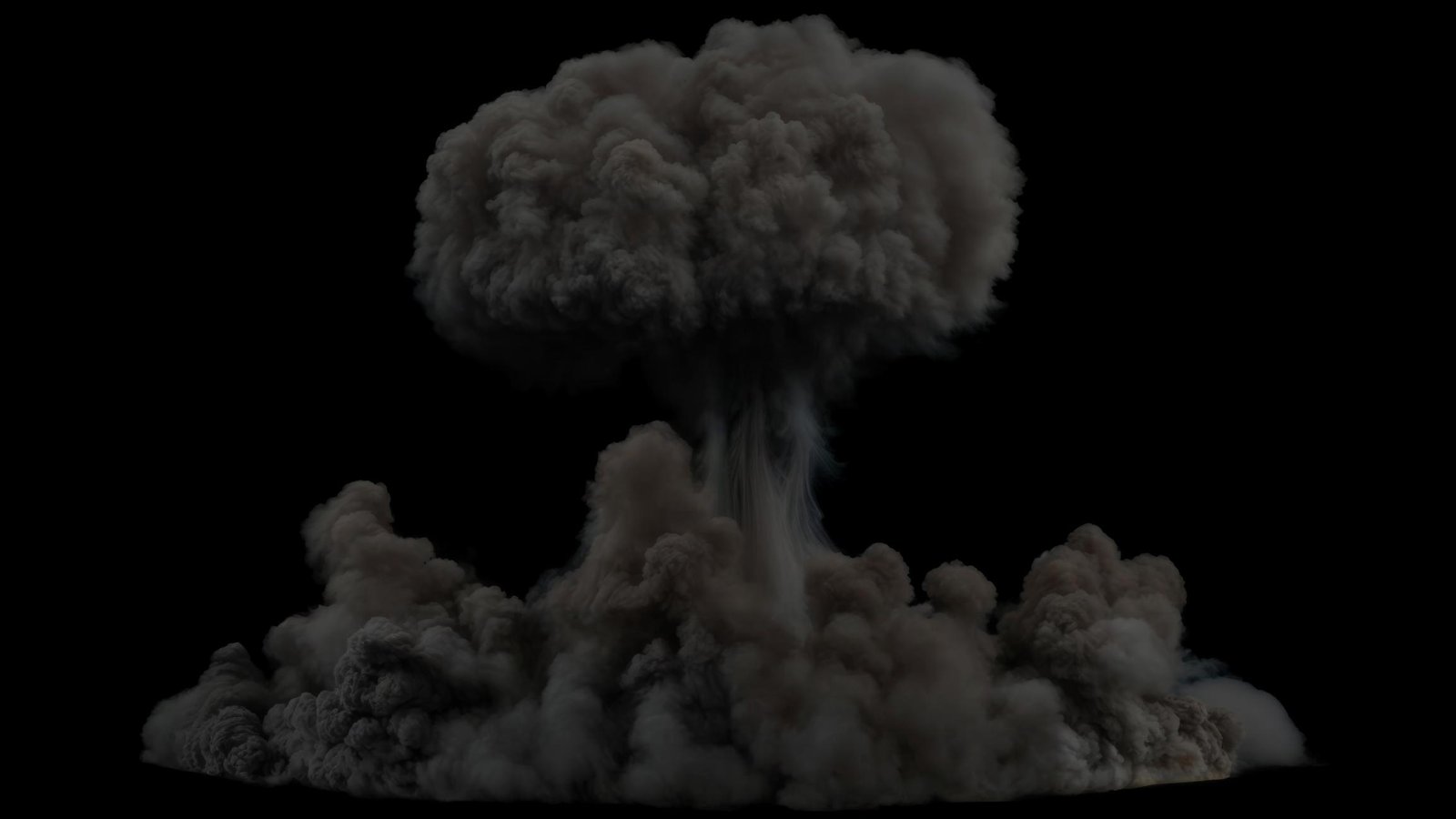
A nuclear peace deal between Tehran and Washington seemed to be in sight after Iran’s unprecedent agreement to “never ever” become a nuclear weapon power. Before it could be materialised, the US-Israel coalition attacked Iran citing the need to dismantle its military capabilities, halt nuclear ambitions, pursue regime change, and prepare conditions for ground operations. Despite expectation of a quick win after eliminating Ayatollah Khamenei and 40 senior Iranian leaders, Tehran’s retaliation within one hour has stretched the war into its second week.
The stark asymmetries between the opposing sides are visible. The US-Israel coalition unites one declared and one undeclared nuclear power. One commands the world’s largest and most advanced air force, while the other operates a highly modern fleet capable of full-spectrum operations. In sharp contrast, Iran possesses only a limited air force, small in size and weak in its ability to conduct meaningful air operations. The US’s battlefield capability is clear as it has struck over 6-7000 Iranian targets.
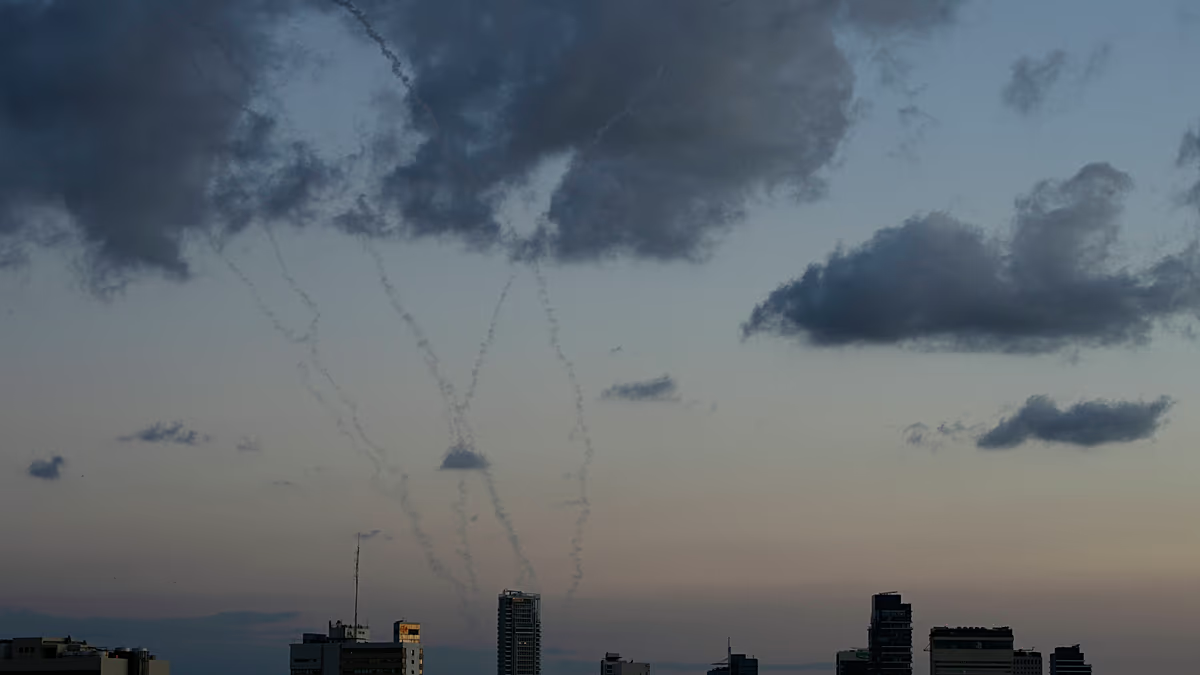
Unable to build a technologically advanced air force, Iran intensified the production of missiles and drones after studying last year’s 12‑day War. Tehran has sought to offset its weakness by deploying simple to highly advanced systems, including hypersonic speeds, to saturate US bases and Israel’s air defences: Iron Dome with the Tamir missile (approximate range 45 miles), THAAD (covering 90 to 125 miles), Patriot (ranging at 100 miles), David’s Sling (approximately 200 miles), Arrow 2 and 3 (beyond 1500 miles).
Nevertheless, Israel has accrued millions of dollars damage, 15 fatalities and more than 3000 injuries. The coalition forces are forced to intercept Iranian drones and missiles costing under $25,000 with interception weapons priced between $2-4 million, leading to estimated war expenditures of $1 billion per day. This has proven the limitations of air power without any focused and sensible strategy. A parallel can be drawn with the Russia‑Ukraine theatre, where Ukraine has resisted Russia by relying on missiles and drones, demonstrating how cheaper, less sophisticated tools can blunt advanced and more powerful equipment.
US-Israel coalition has targeted Iran’s leadership, fuel storage facilities, power grids, military hardware, and civilian population. However, US misadventures in Iraq, Vietnam, and Afghanistan demonstrate that destruction of enemy assets is not victory. Rather, wars are decided by the achievement of each sides’ political goals and war objectives. Cognisant of the coalition’s military superiority, Iran has adopted a strategy of imposing punitive costs by using missile and drone technology and spreading economic and security pain across the Gulf. Therefore, Iran’s retaliatory strikes have targeted US military installations throughout the Gulf, in addition to oil refineries, LNG suppliers, desalination plants, major business centres, and airports. By raising the cost of conflict exponentially, Iran has effectively converted this war into a war of attrition by forcing US allies to put pressure on Washington to end the war or seek a managed off-ramp. An example is UAE’s envoy to the UN, urging de-escalation and diplomatic negotiations as economic shocks of the Iranian attacks continue to be felt throughout the region. Therefore, resolve and multiple asymmetric capabilities tilt the outcome in favour of the oppressed.
Iran offers little scope for diplomacy, shaped by past dealings with the US where talks were viewed as a tactic to create false hope of a negotiated outcome. At home, the US faces questions about the legitimacy of this war, while average Americans pay the price at the petrol station. They are told this is a short-term pain meant to bring a long- term gain, yet the nature of that gain remains undefined. Reportedly cracks are also appearing among the top American leadership as President Trump blamed several of his close aides for his decision to attack Iran. For the US, foreseeable pathways include backchannel diplomacy, regional re‑alignment through hedging, and dramatic escalation.
Contrarily, Iran’s seaward attacks by launching missiles against US carrier and other anti-Iranian naval forces in the Strait of Hormuz and the Strait’s closure can be termed as a master stroke. Blocking a vital passage through which one‑fifth of global oil transit each day has caused oil prices to surge beyond $100 per barrel. However, Iran has allowed oil tankers to pass through if payment is made in Chinese yuan, with countries probably agreeing to it. This development will threaten the petrodollar arrangement. In the long-run, China, which receives 45 per cent of its oil imports through the Strait of Hormuz, will emerge as the main, albeit indirect, beneficiary of Iran’s actions. Tehran’s strategy in Hormuz seems to secure China’s vulnerabilities.
The end result is yet to emerge, but what is certain is that the Iranian role in the Middle East and West Asia will be upgraded after this war, becoming more significant. However, this will depend on how Tehran will steer the situation in its favour, without compromising on its strengths.