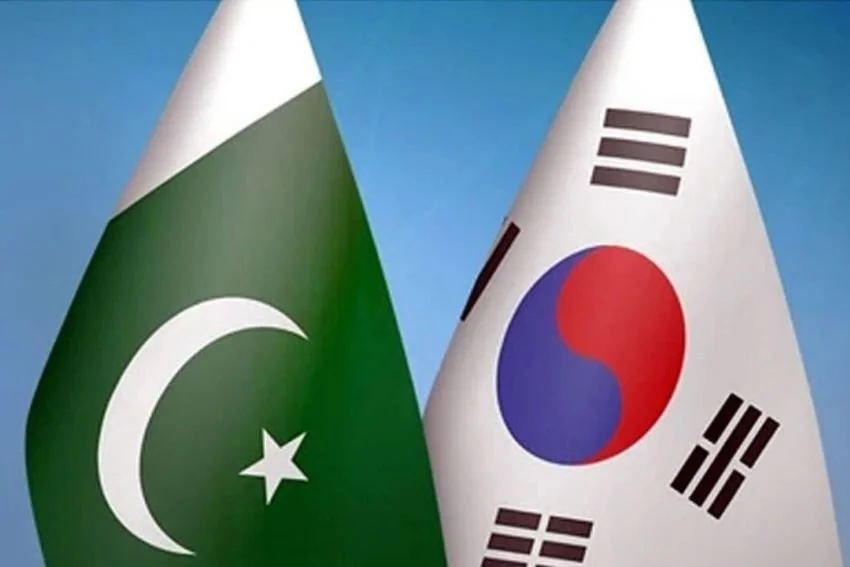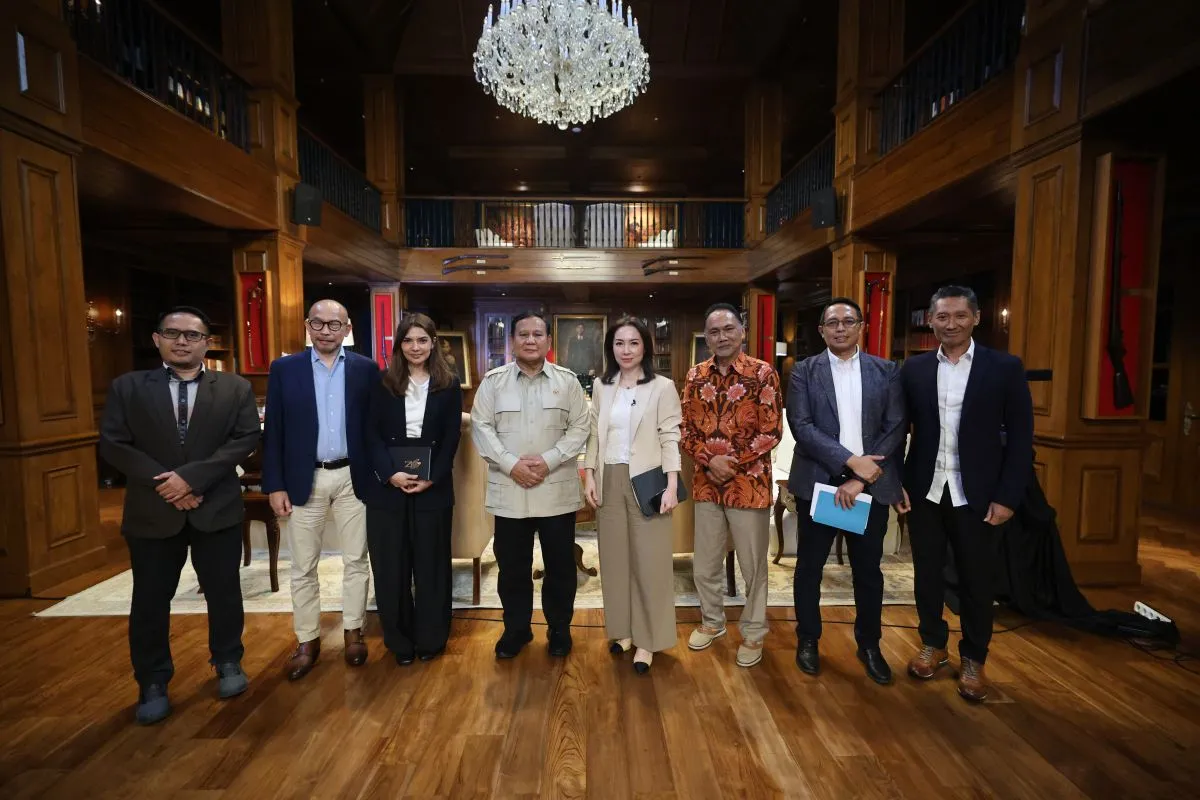
Jakarta, April 1, 2026 – The Europe Today: Indonesia’s Ministry of Energy and Mineral Resources (ESDM) has signed a memorandum of understanding (MoU) with South Korea’s Ministry of Climate, Energy, and Environment to enhance bilateral cooperation in clean energy, marking a significant step toward accelerating the global energy transition.
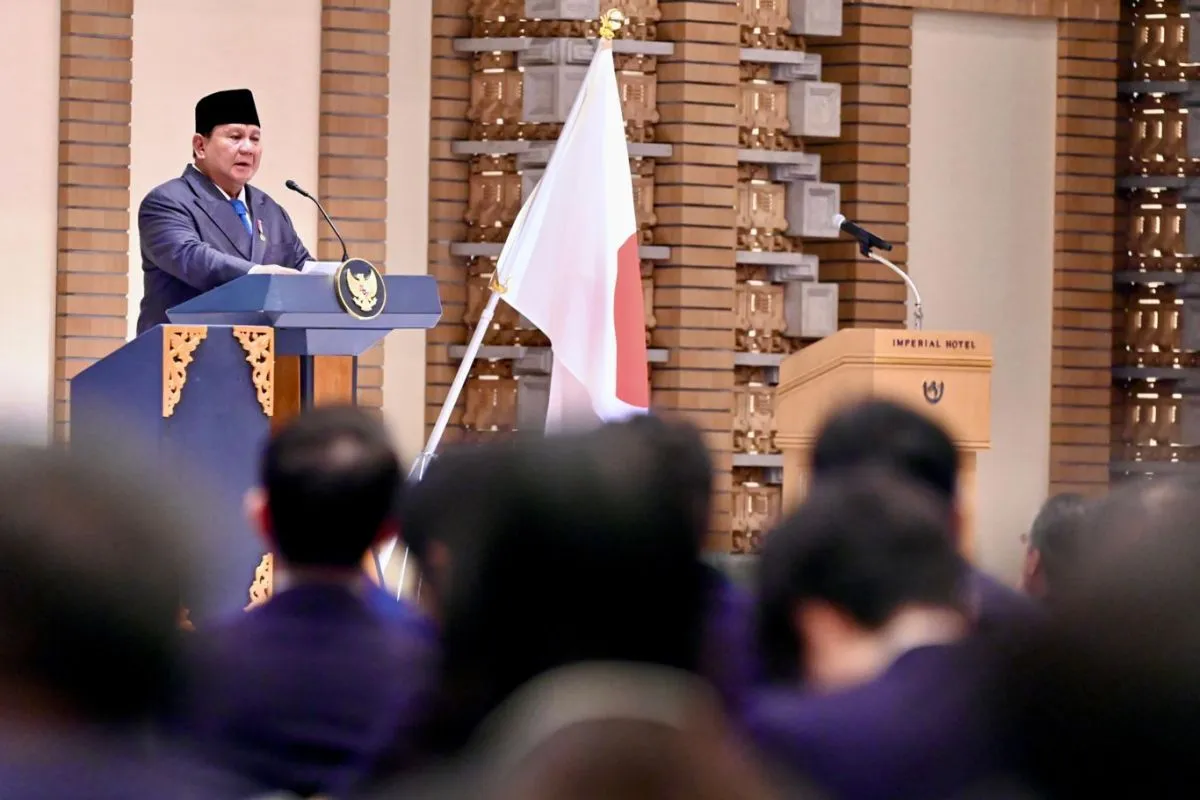
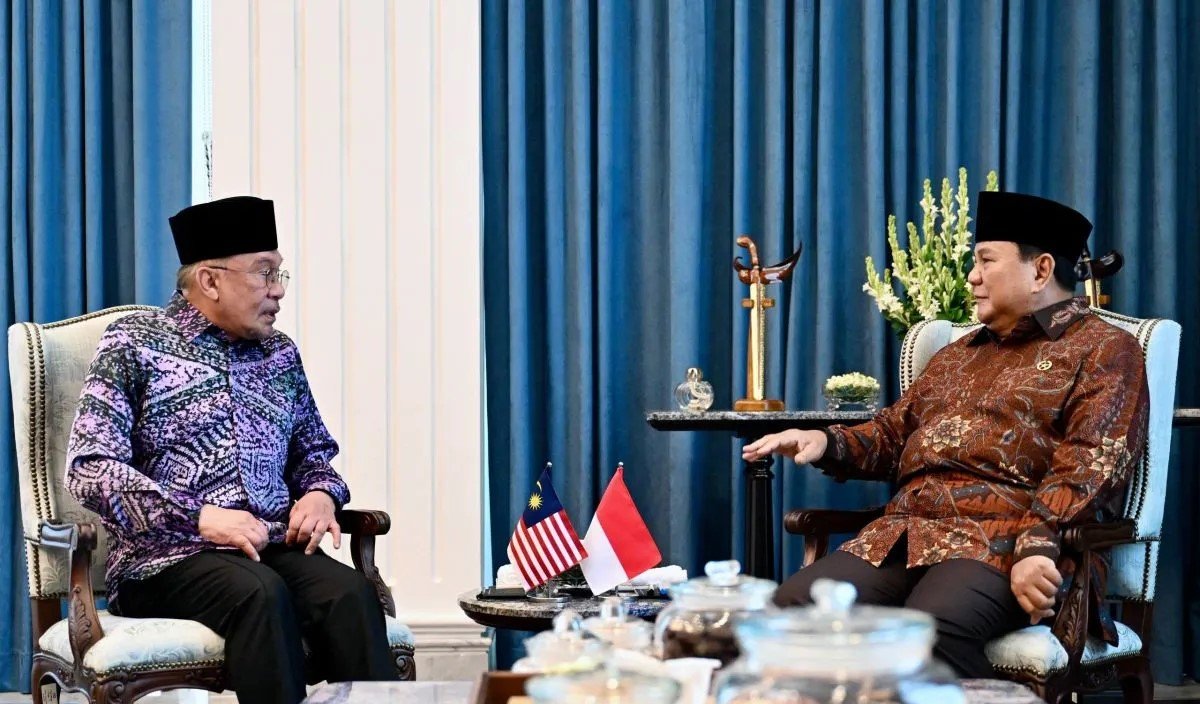
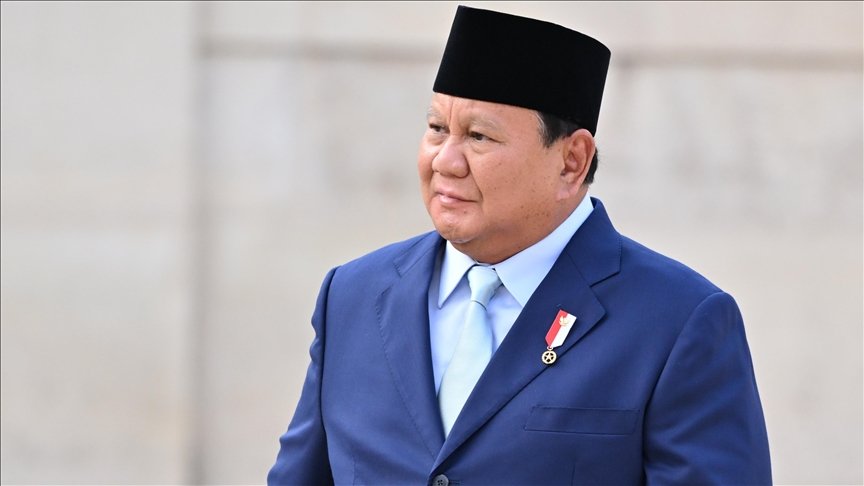
The agreement was announced following a high-level meeting between Indonesian President Prabowo Subianto and South Korean President Lee Jae-myung at the Blue House in Seoul on Wednesday.
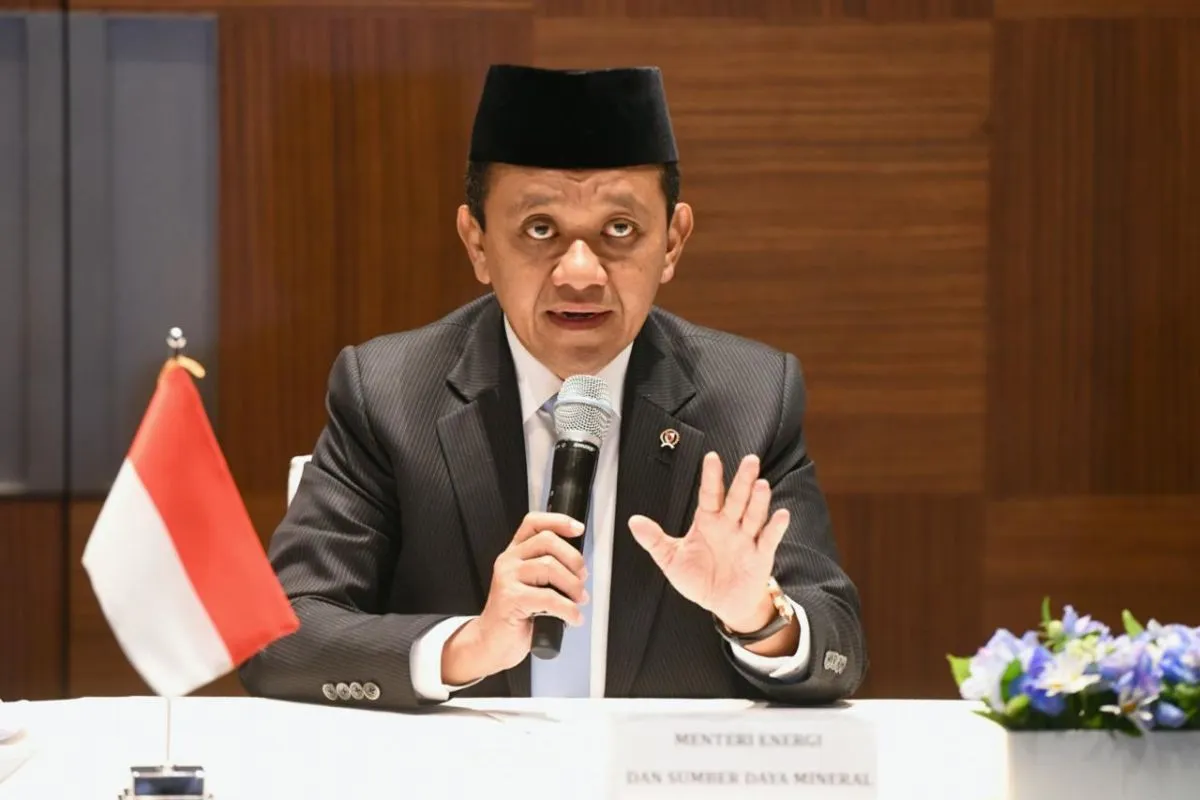
In a statement, ESDM Minister Bahlil Lahadalia said the MoU would serve as a foundational framework for both countries to advance clean energy initiatives in line with their respective capabilities.
“This MoU serves as a foundation for promoting energy transition, particularly clean energy. Renewable energy is vital for our future, and its utilization should not be delayed any longer,” he emphasized.
The agreement comes at a time of heightened geopolitical tensions and global economic uncertainty, with Indonesia seeking to strengthen strategic partnerships across East Asia, particularly with South Korea. Lahadalia noted that such cooperation is crucial to reinforcing Indonesia’s energy sovereignty and long-term independence.
Both countries are also responding to volatility in fossil fuel markets driven by ongoing conflicts in the Middle East, prompting a shared commitment to stable and sustainable energy supplies.
Under the MoU, cooperation will span a wide range of strategic sectors, including renewable energy development—such as solar, wind, and geothermal—as well as emerging energy sources like nuclear and hydrogen. Additional areas of collaboration include energy storage systems (ESS), energy efficiency, bioenergy, and waste-to-energy technologies.
The partnership will further support the development of critical infrastructure, including smart electricity grids, electric vehicle charging networks, and the battery industry value chain—from upstream production to recycling.
Special emphasis will also be placed on building integrated energy systems for remote and energy-independent islands to ensure equitable access to clean energy across Indonesia.
Minister Lahadalia expressed optimism that the collaboration would facilitate technology transfer, attract greater investment, and foster the development of a skilled and competitive workforce.
During the meeting, President Prabowo underscored the strategic importance of Indonesia–South Korea relations amid global uncertainty, highlighting the complementary strengths of both nations.
“South Korea possesses advanced industrial and technological capabilities, while Indonesia offers abundant natural resources and a vast market,” he stated.
President Lee echoed these sentiments, noting that bilateral relations have reached their highest level in over five decades of diplomatic engagement. He also recognized Indonesia’s pivotal role as a stable energy supplier, particularly in liquefied natural gas (LNG) and coal.
“For more than 50 years, Indonesia and South Korea have been mutually supportive partners. Indonesia remains the leading overseas investment destination for Korean companies,” he added.
A key example of this growing partnership is the electric vehicle battery manufacturing facility operated by Hyundai LG Indonesia (HLI) Green Power in Karawang, West Java, which has been operational since July 2024. The first phase of the project, valued at $1.1 billion, has a production capacity of 10 gigawatt-hours (GWh), sufficient to power approximately 150,000 electric vehicles.