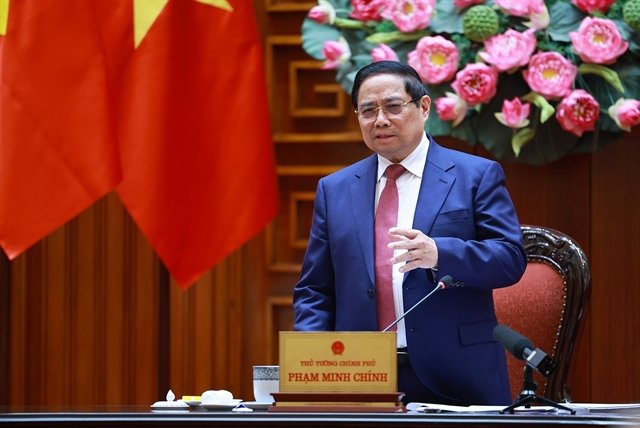
Hanoi, April 2, 2026 – The Europe Today: Prime Minister Phạm Minh Chính has directed ministries and local authorities to develop national standards for electric vehicle (EV) charging stations in apartment buildings, as Vietnam intensifies efforts to accelerate green transport adoption.
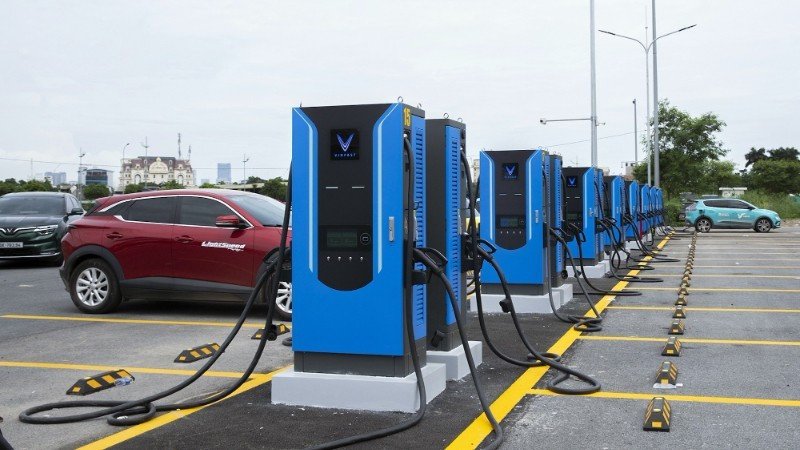
The directive, outlined in Official Dispatch 27, comes amid growing concerns that existing infrastructure in major cities is struggling to keep pace with the rapid rise in EV usage. In many apartment complexes, limited charging stations, inadequate parking arrangements, and poorly coordinated battery-swapping facilities have placed increasing pressure on internal power systems while raising fire safety concerns.
To address these challenges, the Ministry of Construction has been tasked with revising urban planning regulations to better integrate EV infrastructure, including charging networks and battery-swapping systems. The updated framework is expected to be finalised by the second quarter of 2026.
The ministry will also review and amend national technical standards for apartment buildings, providing clearer guidelines for the design and installation of EV charging stations. This work is scheduled for completion by the end of March, alongside measures to simplify procedures for upgrading infrastructure in older buildings—an issue that has slowed deployment in existing residential developments.
Meanwhile, the Ministry of Industry and Trade will lead efforts to establish safety and energy efficiency standards for charging equipment, stations, and associated power systems, with a target completion date in the third quarter of 2026. The ministry has also been urged to intensify public awareness campaigns promoting electric and clean-fuel vehicles, as well as increased use of public transportation.
The initiative reflects concerns that EV adoption could outpace supporting infrastructure, particularly in densely populated urban areas where planning gaps—especially in parking—have resulted in uneven deployment of charging facilities and added strain on building systems.
State utility Vietnam Electricity (EVN) has been instructed to adjust demand management programmes to accommodate new charging stations in residential zones. The utility will also streamline grid connection procedures and facilitate the installation of separate electricity meters for EV charging, ensuring greater transparency in usage and billing.
Local authorities have been directed to review urban plans and allocate space for EV infrastructure in new developments. At the same time, property developers and building management boards are expected to collaborate with service providers to ensure safe installation of charging stations and to guide residents on their proper use.
The government has also called for strict oversight during the rollout, warning against loopholes that could lead to corruption, inefficiencies, or vested interests.
The directive builds on Vietnam’s broader strategy to promote cleaner transport and reduce emissions, with officials set to review progress under existing programmes and propose targeted measures to accelerate the country’s transition toward sustainable mobility.