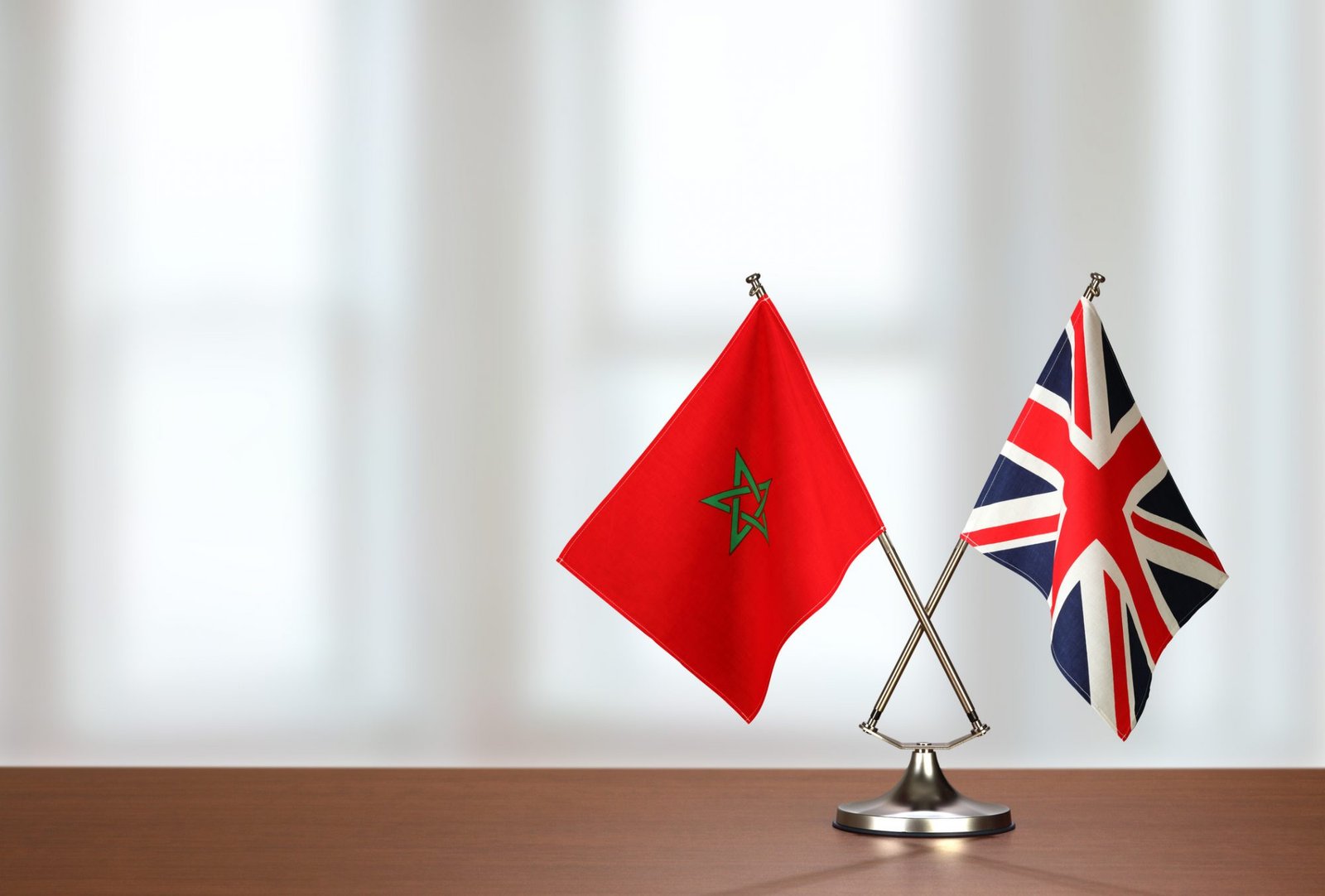
London, April 4, 2026 – The Europe Today: The United Kingdom has reiterated its backing for Morocco’s autonomy plan as the most credible and pragmatic path toward resolving the long-standing dispute over the Western Sahara.
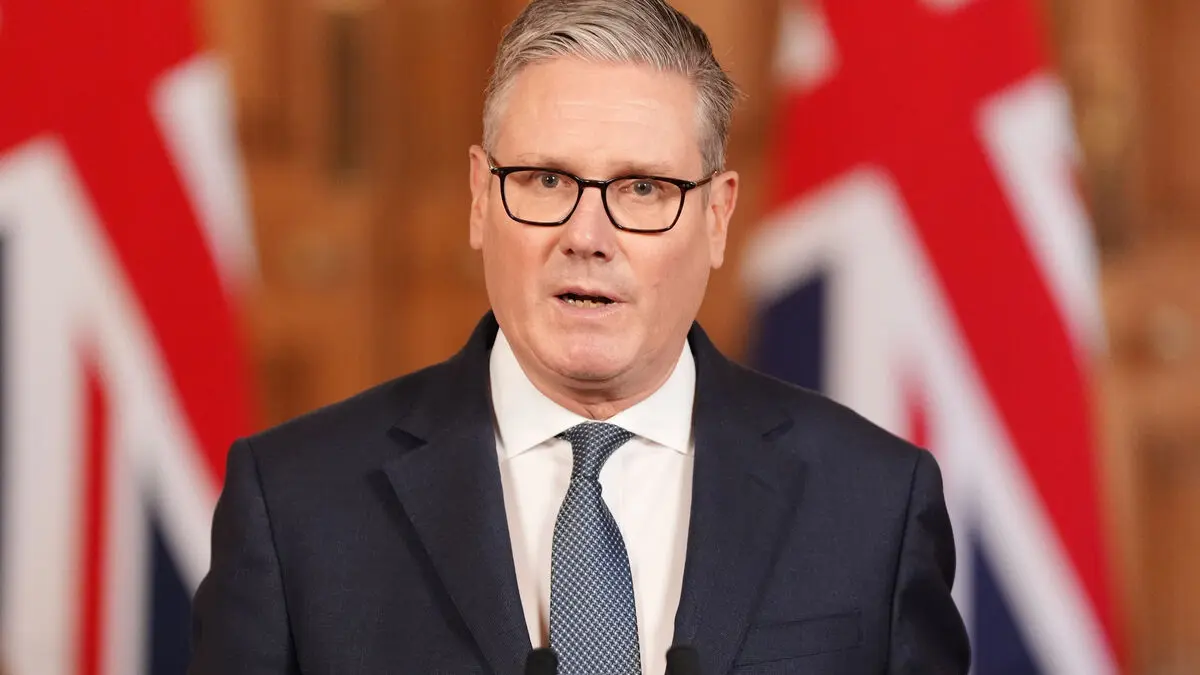
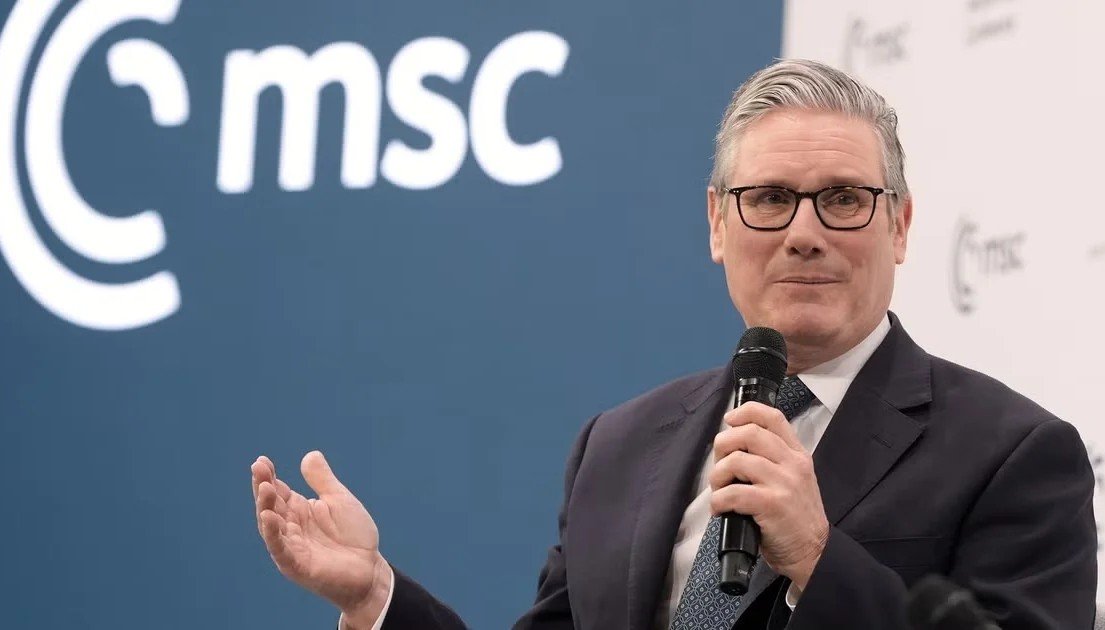
Speaking in the House of Commons, Hamish Falconer emphasized that London views Morocco’s proposal as the best foundation for achieving a durable and lasting settlement to the decades-old conflict.
“We believe that our support for Morocco’s autonomy plan as the most credible, viable, and pragmatic basis for a lasting solution goes in this direction,” Falconer stated during the parliamentary session.
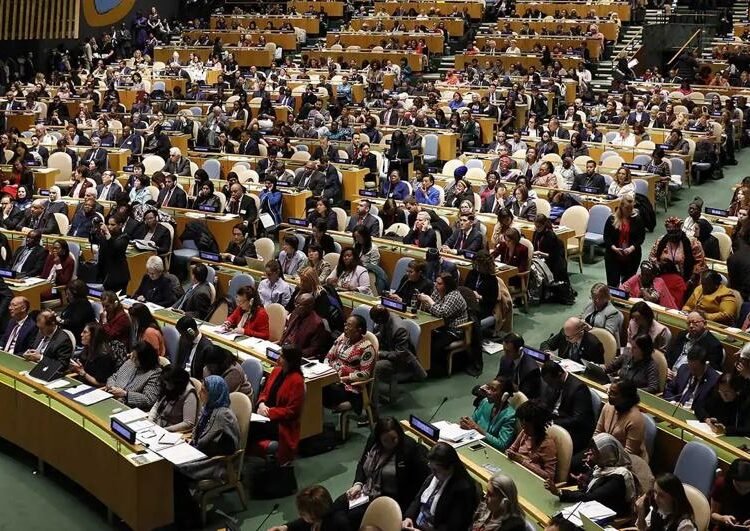
The minister also welcomed United Nations Security Council Resolution 2797, describing it as a key component of ongoing international efforts to resolve the issue. The resolution, adopted in October 2025, renewed the mandate of the UN peacekeeping mission in the region until October 2026 and underscored Morocco’s autonomy initiative as the framework for future negotiations.
Morocco first introduced its autonomy proposal in 2007, offering significant self-governance for Western Sahara while maintaining Moroccan sovereignty. The initiative has since gained increasing international support as a realistic and peaceful approach to ending a conflict that has persisted for more than five decades.
Resolution 2797 was adopted with 11 votes in favor, including the UK, while China, Russia, and Pakistan abstained, and Algeria did not participate in the vote. The United States, which sponsored the resolution, along with several Western and African nations, has also endorsed the autonomy plan as a viable route to peace.
Regional organizations such as the Gulf Cooperation Council have repeatedly reaffirmed their support for Morocco’s territorial integrity and autonomy proposal. Additionally, several European Union member states have adjusted their positions in line with the resolution’s framework, signaling growing international consensus around the initiative.