Moscow, April 9, 2026 – The Europe Today: Hungary and Russia have quietly signed a 12-point agreement aimed at strengthening bilateral cooperation across key sectors, including energy, trade, and cultural exchange, according to media reports citing previously undisclosed Russian government documents.
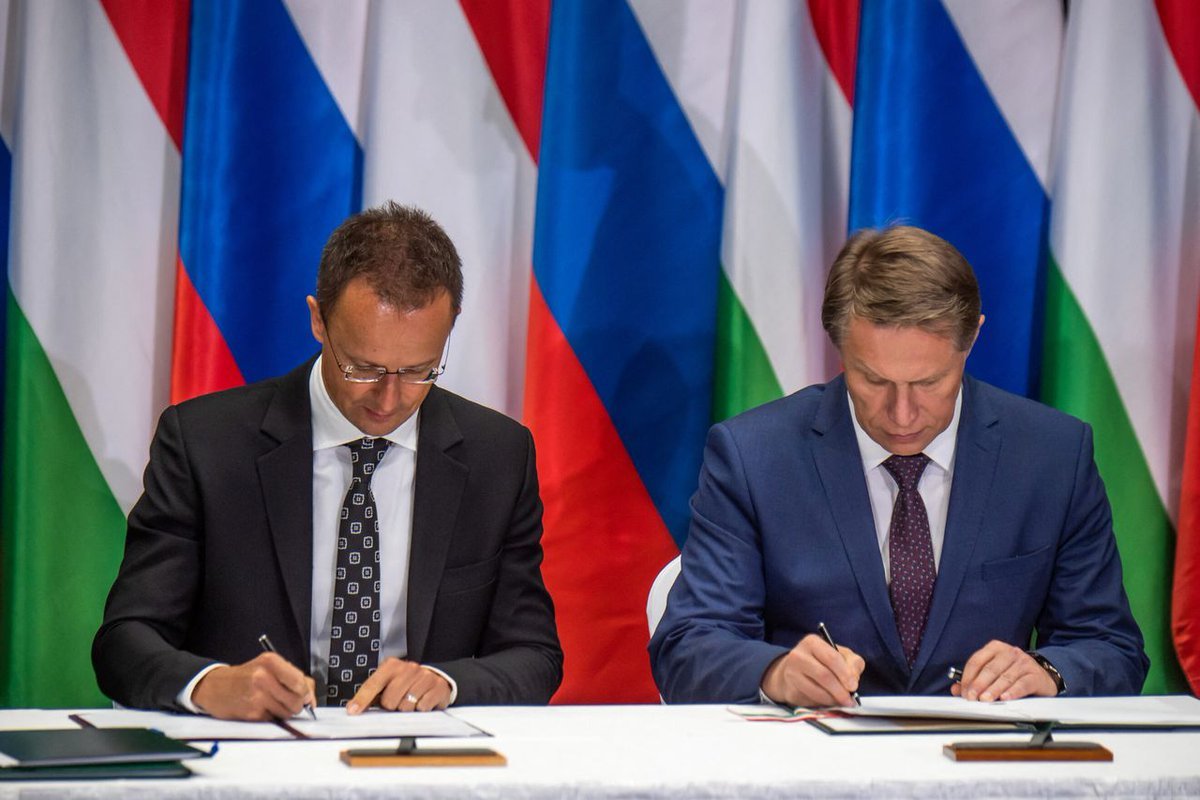
The agreement was reportedly signed in Moscow in December following talks between Hungarian Foreign Minister Péter Szijjártó and Russian Health Minister Mikhail Murashko.
According to the report, the deal outlines plans to expand collaboration in the energy sector and paves the way for Russian companies to initiate new electricity and hydrogen projects in Hungary. It also covers broader areas of economic engagement, including industry, healthcare, agriculture, and construction.
The documents further indicate proposals to enhance Russian language education in Hungary, alongside expanding academic, cultural, and humanitarian exchange programmes between the two countries.
One of the documents cited noted that both sides discussed “current issues of bilateral trade and economic cooperation, joint activities in the energy sector, industry, health care, agriculture, construction and other areas of mutual interest, as well as in the cultural and humanitarian sphere.”
Responding to queries, Szijjártó emphasized that Hungary’s foreign policy decisions are driven by national priorities. “Hungary’s bilateral cooperation is guided by national interest, not by any pressure to conform to the extremely biased liberal mainstream media,” he was quoted as saying.
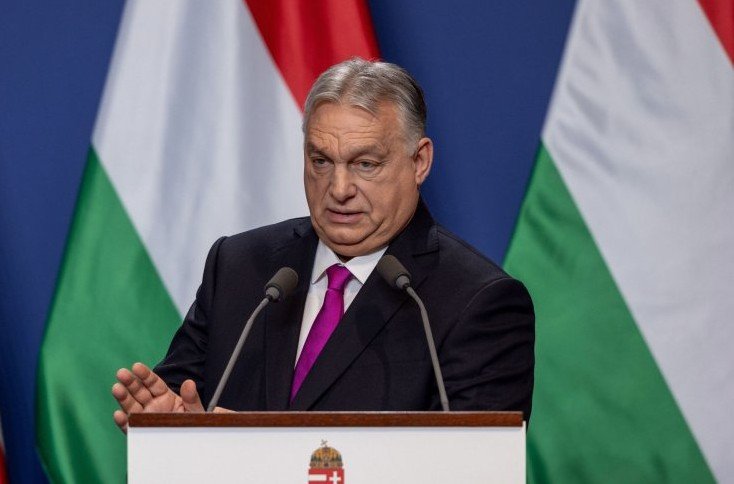
The development comes just days ahead of Hungary’s upcoming general election, adding a political dimension to the disclosure. Prime Minister Viktor Orbán has faced criticism from his main challenger, Péter Magyar, who has accused the government of “outright treason” over its ties with Moscow.
The reported agreement underscores the continued engagement between Budapest and Moscow at a time of heightened geopolitical tensions in Europe, particularly surrounding energy security and regional alliances.