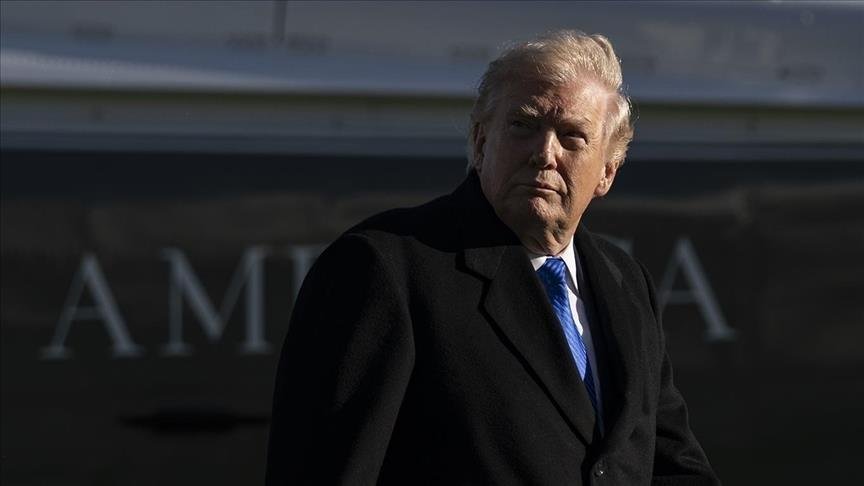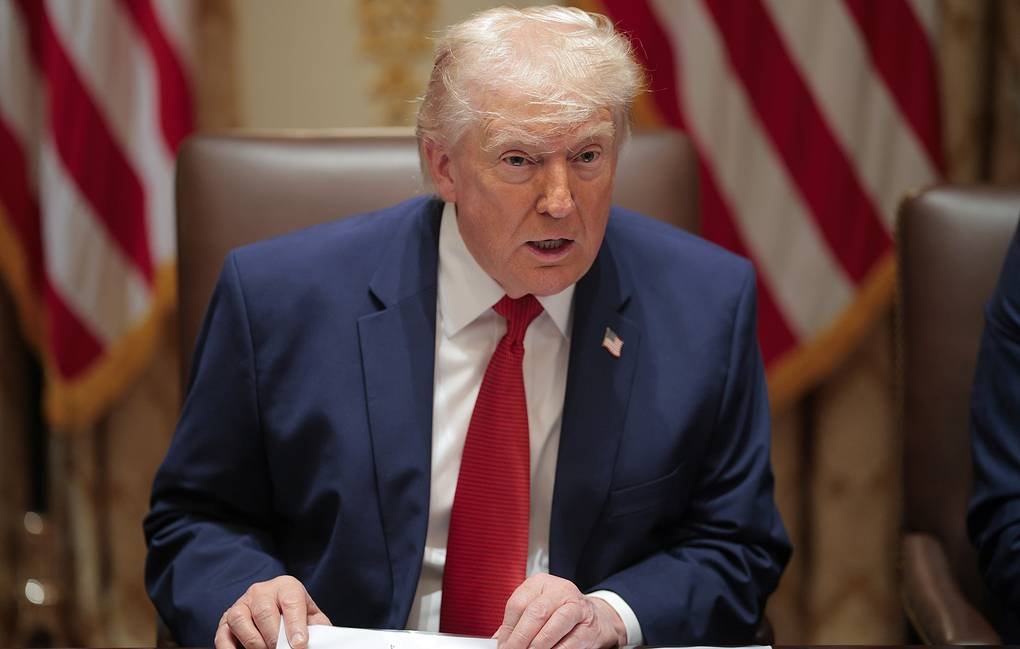
Washington, April 10, 2026 – The Europe Today: US President Donald Trump on Thursday warned Iran against imposing tolls on vessels transiting the Strait of Hormuz, stressing that such actions would be unacceptable and must cease immediately if implemented.
In a post on his Truth Social platform, President Trump said there were reports suggesting that Iran had begun charging fees to oil tankers passing through the strategic waterway. “They better not be and, if they are, they better stop now!” he wrote.
In a subsequent statement, Trump criticized Tehran’s handling of maritime navigation, saying Iran was “doing a very poor job, dishonorable some would say,” in allowing oil shipments to pass through the Strait. “That is not the agreement we have!” he added, without elaborating on the specifics of the arrangement.
The remarks come amid heightened tensions following statements by Iran’s Supreme Leader Ayatollah Seyyed Mojtaba Hosseini Khamenei, who indicated that the management of the Strait of Hormuz would “enter a new phase.” He emphasized that Tehran would seek compensation for damages resulting from recent conflicts.
Khamenei underscored Iran’s intention to pursue both legal and material accountability, stating that those responsible for attacks on the country would not go unpunished. “We will certainly demand compensation for all damages, as well as for the blood of the martyrs and the wounded,” he said.
He further warned that Iran remains prepared to respond decisively to any renewed aggression. “Our hands are on the trigger,” he said, cautioning that any miscalculation by adversaries would provoke a firm response.
The developments come as Iran prepares to enter negotiations with the United States in Pakistan, expected to begin on Saturday under Islamabad’s mediation. Iranian officials have indicated that the talks aim to finalize key aspects of a potential agreement, while clarifying that the negotiations do not signify a complete end to the ongoing conflict.
The Strait of Hormuz, a critical global energy corridor, remains central to international concerns, with any disruption posing significant implications for global oil markets and regional stability.