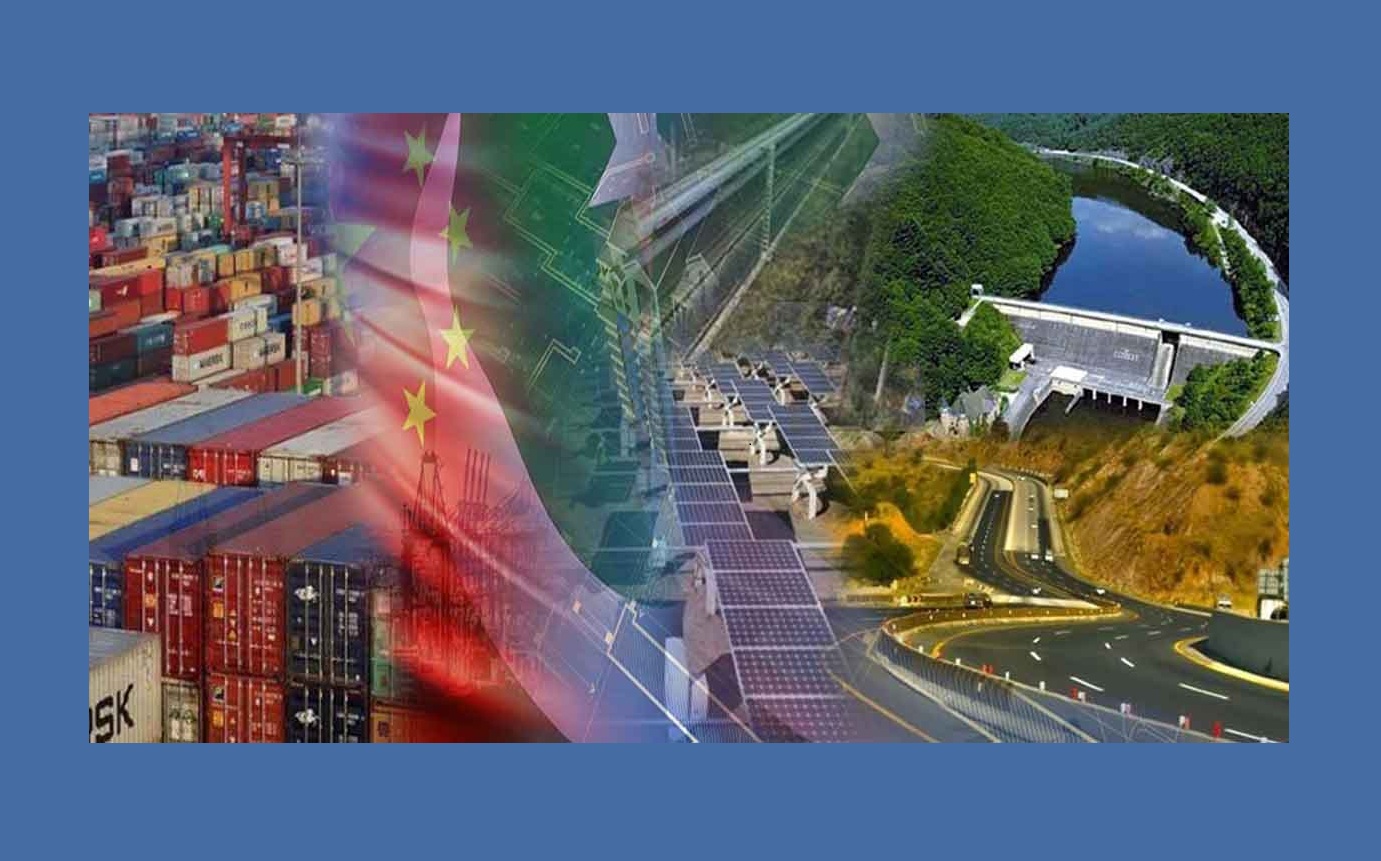
The Belt and Road Initiative (BRI) of China is an attempt to create connectivity between Asia, Africa, and Europe by making huge financial investments in building ports, highways, power stations, and logistics centres. To Pakistan, the China-Pakistan Economic Corridor (CPEC) is one of the most important projects; it passes through Balochistan, a historically neglected region. Thus, Balochistan has turned out to be at the center of new port, road, energy, and industrial zone construction. However, the fact that the infrastructure is provided is not enough; the major question is whether they are sustainable or not, in terms of providing sustainable benefits to the environment, the local communities, and the general economy. This paper discusses the opportunities the BRI gives, the risks involved in it and suggests measures to make sure the massive infrastructure projects will end up benefitting the long term interests of Balochistan.
Balochistan is located on the south west frontier of Pakistan and borders the Arabian Sea, Iran and Afghanistan. The Gwadar deep-water port is the center of the development plans of the region, under the auspices of BRI and CPEC it is supposed to become the strategic entry point to the regional trade and thus trigger the new land and sea routes and expand the prospects of exports. Further, the area is rich in natural resources- chromite, antimony, iron ore and gold and silver deposits in places like Chaghi, Reko Diq and Saindak. There is also nascent growth of the blue economy in coastal regions, where fisheries and shrimp cultivation, as well as mangrove ecosystems, are playing an economic diversification role. Balochistan might be developed into a busy logistic, industrial, and sea trading center with well-designed BRI as well as CPEC infrastructure.
There are a number of large-scale construction projects which are either in operation or implementation. The western corridor plan of the early harvest strategy includes the Gwadar East Bay Expressway as a part of which the Gwadar Port is connected with the coastal highway. Other roads like the Nokundi-Mashkhel-Panjgur axis are also enhancing accessibility in some of the most remote localities in the region. CPEC has significantly developed the energy sector in Balochistan despite a number of challenges that it has faced. According to a recent study, CPEC is going to spur industrial activity in mineral extraction, expand processing zones, better housing and help create a transition between an agrarian economy and a logistics-oriented one. The provincial governments are also taking center stage in the initiative, with announcements of vocational training programs and provision of 30,000 jobs to give the young people an opportunity to exploit new opportunities.
Prospect does not ensure actualization. The infrastructure projects can be vulnerable to financial limitations, political unrest and environmental destruction. Is the economy of Balochistan capable of absorbing and supporting such developments? Will they bring in enough revenue to meet operation and maintenance expenses? Although the way Pakistan has increased its capacity in
other sectors like energy due to BRI projects has increased dramatically, there are still a lot of challenges in terms of the effective distribution of energy and equitable access to the local people.
A lot of Baloch citizens feel that they are not enjoying the fruits of CPEC and BRI projects. Some of the reported problems comprise low literacy rates and degradation of traditional jobs such as fishing, which are usually not compensated well to the affected employees. Enterprises in Punjab or China are more likely than local labor to be employed in the employment contracts. Also, Balochistan has a long history of insurgencies, militant activities, administrative complications, which increase the cost of operations, project scheduling, and discourages investment. The infrastructure development is also a great concern due to its environmental impacts such as depleted resources, pollution, and degraded landscape.
In order to see to it that Balochistan is actually enjoying the fruits of BRI infrastructure projects, they need to be institutionalized at the local level. This needs to be supplemented by technical education and vocational training, as well as to have equal access to women and youth, to ensure equal employment opportunities. Though the promise of 30,000 jobs by the provinces is admirable, it is not enough to imitate the models and try to repeat the successes, but to help the local businesses obtain the contracts and develop the networks of local suppliers of goods.
Infrastructure is only ports, roads and energy but productive industries are required to take advantage of these resources. In the case of Balochistan, the implementation of the mineral- processing zones will allow moving past the export of raw materials and providing more value addition. Ports, road networks, and coastal fisheries should be coordinated to facilitate the blue economy, and this will diversify the incomes of fruit and date farmers. The fusion of these aspects creates a sustainable economic ecosystem, which creates sustainable employment and a diversified local economy.
Social sustainability is also important. There must be transparent contracting, strict environmental evaluations, community participation, and grievance systems which are essential. Historical CPEC projects had the vice of peripheral stakeholder engagement, which affected their legitimacy and acceptance. By making sure that the infrastructure is focused on the local priorities, it becomes easy to lower the resistance and increase the perceived legitimacy. Constant maintenance, such as allocating funds to repairs and environmental surveys, especially of the coastal erosion, dust generation, water scarcity, and habitat depletion is necessary. Also, there should be capacity building of the locals in terms of management of roads, ports and green spaces. Energy-wise, the course of action, which is to shift toward cleaner technologies and renewable sources, as opposed to the use of large coal-fired facilities, is in line with the global sustainability trends and safeguards delicate local ecosystems.

Participant of ICSF-UoS Fellowship Program 2025-26 at University of Sargodha.