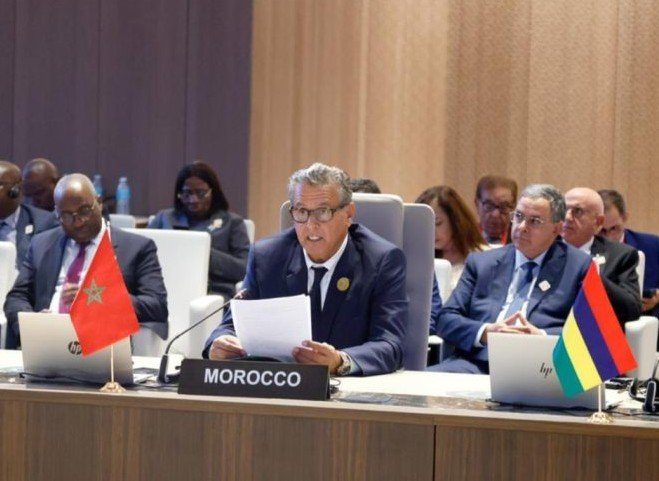
Marrakech, January 6, 2026 – The Europe Today: The United Nations Security Council entered 2026 with a significantly reconfigured composition that analysts say enhances Morocco’s diplomatic position on the Western Sahara issue.
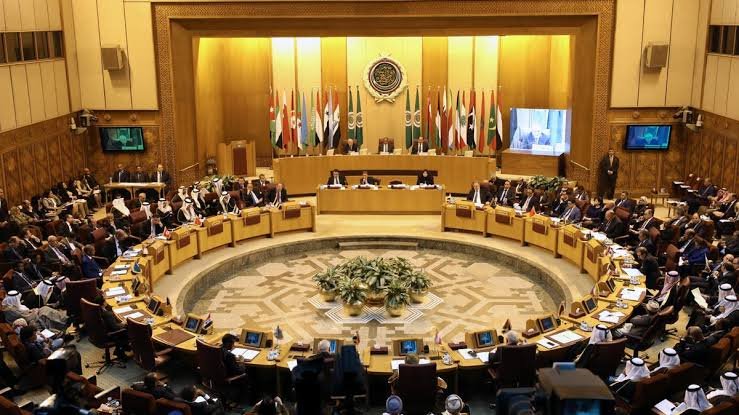
As of January 1, five new non-permanent members — Bahrain, Colombia, the Democratic Republic of the Congo, Latvia, and Liberia — began their two-year terms through 2027, replacing Algeria, Guyana, the Republic of Korea, Sierra Leone, and Slovenia.
Among the permanent members of the Council, the United States, France, and the United Kingdom continue to express firm support for Morocco’s autonomy initiative, while China and Russia maintain more cautious and reserved positions. Observers note that the current balance limits the ability of any single bloc to effectively obstruct Council outcomes aligned with Morocco’s proposal.
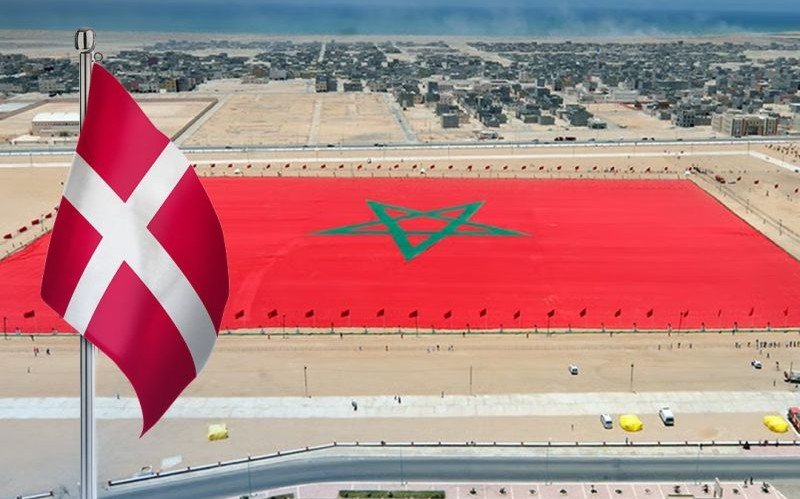
The Security Council’s composition for 2026 also includes continuing non-permanent members Denmark, Greece, Pakistan, Panama, and Somalia. All five supported Resolution 2797 adopted on October 31, 2025, with Pakistan abstaining but clarifying at the time that its position did not constitute opposition to Morocco’s autonomy plan.
The departure of Algeria from the Council is viewed as a notable development, ending its direct participation in deliberations on Western Sahara-related resolutions. Analysts say this change alters the dynamics of Council discussions, particularly as Algeria had used its previous term to raise objections and advance positions critical of Morocco’s approach.
Several of the incoming members — notably Bahrain, the Democratic Republic of the Congo, and Liberia — have opened diplomatic representations in Laayoune and Dakhla, a move widely interpreted as reinforcing international engagement with Morocco’s administration of the territory. Diplomatic observers argue that such steps go beyond symbolic gestures, embedding practical and administrative cooperation on the ground.
Colombia and Latvia, while maintaining official neutrality, are considered by analysts to operate within broader international frameworks that increasingly favor negotiated autonomy arrangements as pragmatic conflict-resolution mechanisms.
Attention has also focused on Bahrain’s upcoming presidency of the Security Council in April 2026. As Council president, Bahrain will oversee agenda-setting and the management of consultations, including briefings related to the UN Mission for the Referendum in Western Sahara (MINURSO). Diplomats note that the presidency can shape procedural priorities and influence the tone of deliberations, though decisions ultimately rest on collective agreement among Council members.
These developments follow the adoption of Resolution 2797 in October 2025, which described Morocco’s autonomy initiative as a serious and credible framework for resolving the dispute. Since then, international discussions have increasingly emphasized stability, negotiated governance, and regional security.
Analysts further note that support for long-standing separatist positions has continued to wane globally, as diplomatic priorities shift toward conflict de-escalation and institutional solutions. In this context, Morocco’s autonomy proposal is increasingly framed by its supporters as aligned with prevailing international norms for dispute resolution.
Overall, the new Security Council configuration is widely seen as reflecting broader geopolitical shifts, with implications for future deliberations on Western Sahara during the 2026–2027 period.