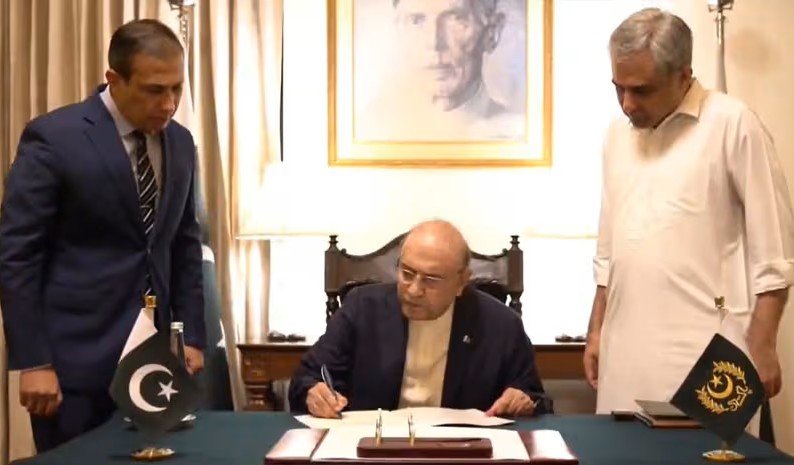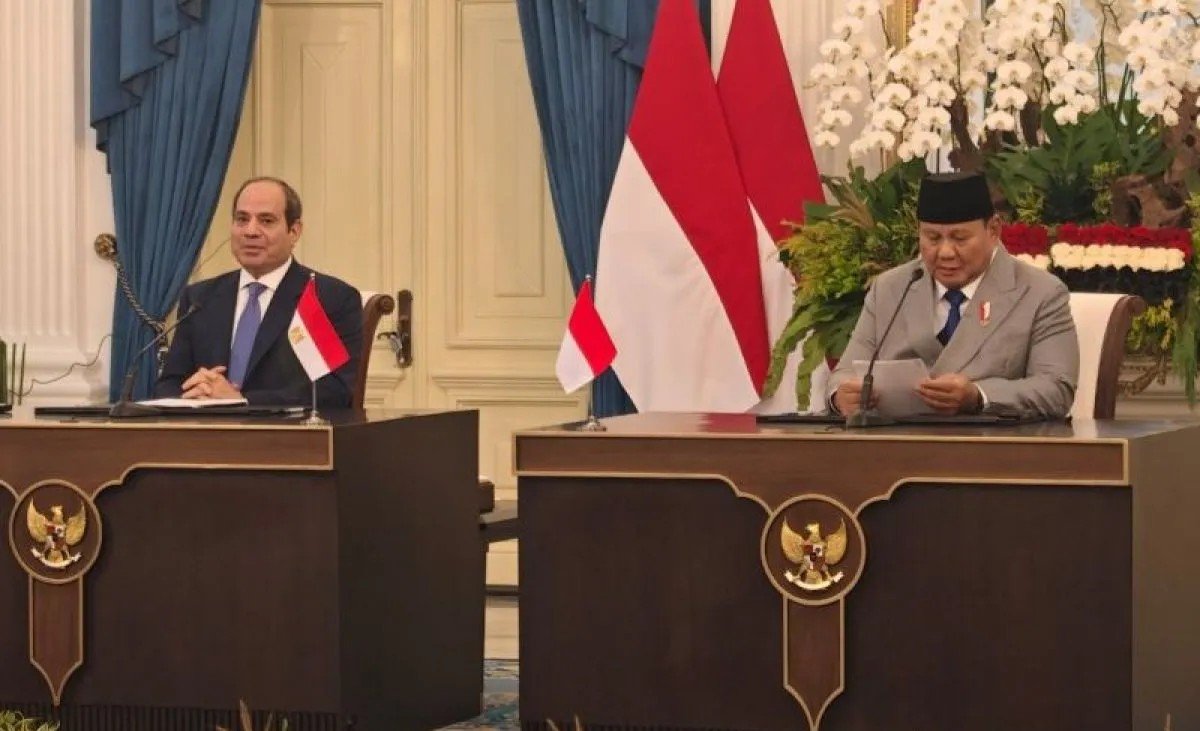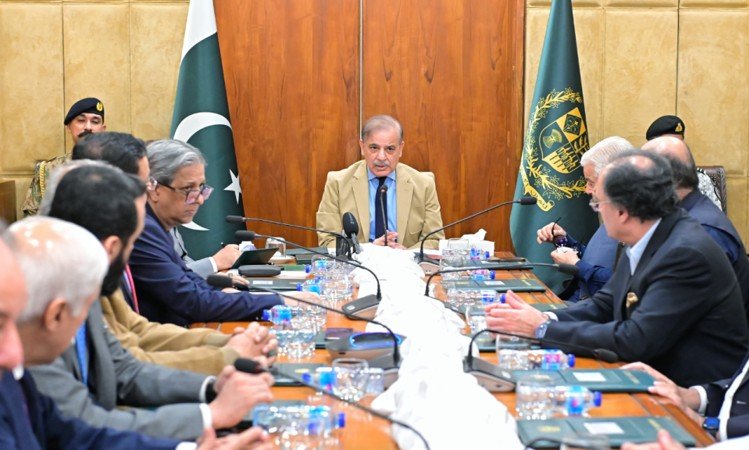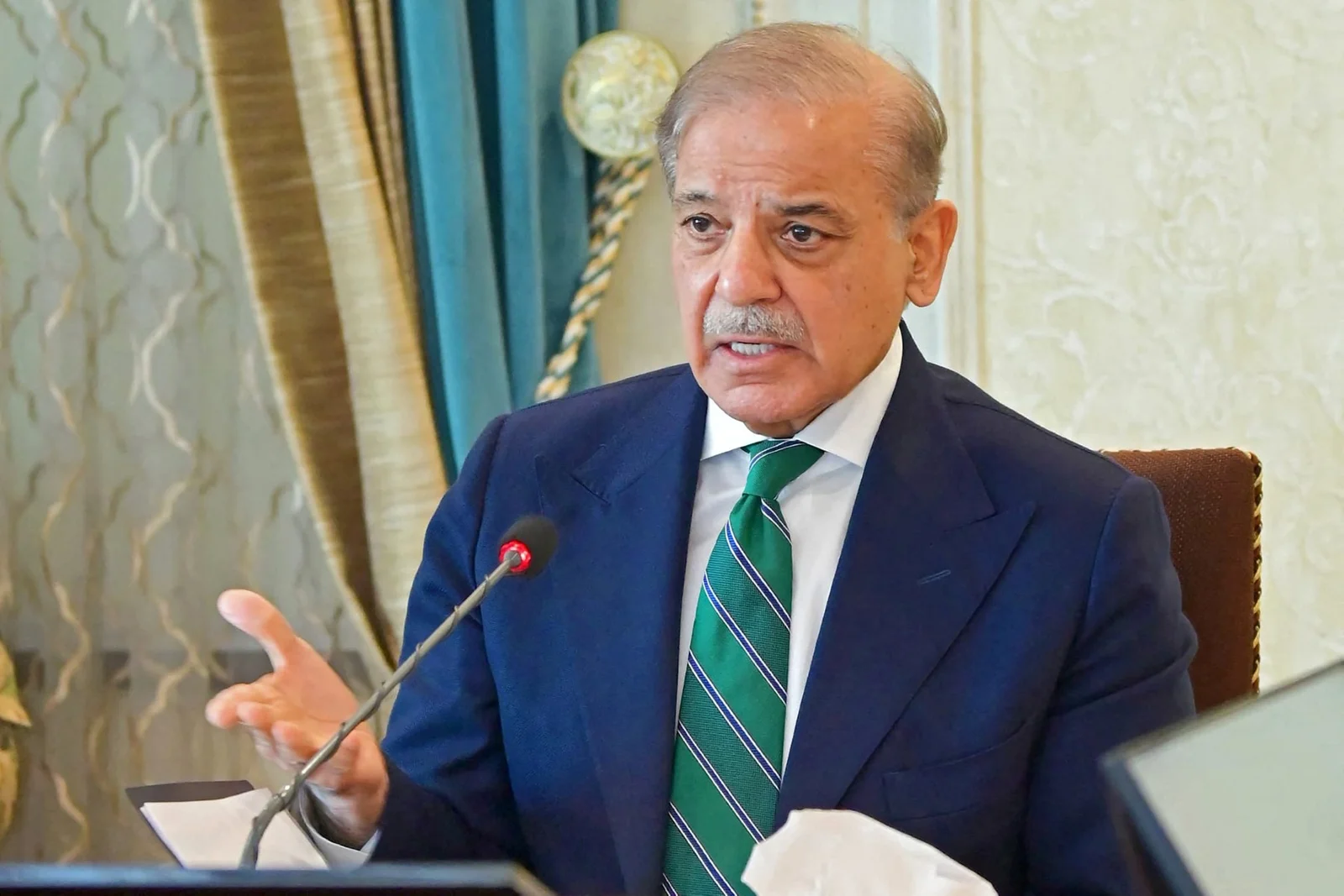
Jakarta, January 10, 2026 – The Europe Today: The governments of Indonesia and Pakistan are working to accelerate the expansion of the Indonesia-Pakistan Preferential Trade Agreement (IP-PTA) into a Comprehensive Economic Partnership Agreement (CEPA), officials said.
Indonesian Deputy Trade Minister Dyah Roro Esti emphasized that the initiative aims to strengthen strategic cooperation in trade and broader economic relations between the two countries.
“We are encouraging the acceleration of the expansion of the IP-PTA into a CEPA, which we aim to realize by 2027,” Esti stated during a bilateral meeting with Pakistan’s Commerce Minister Jam Kamal Khan, held on the sidelines of the 8th Pakistan Edible Oil Conference in Karachi on Friday.
During the meeting, Indonesia proposed initiating technical negotiations in early 2026, building on progress made under the Indonesia-Pakistan Trade in Goods Agreement (IP-TIGA), which would serve as a foundation for broader economic cooperation.
“Expanding cooperation toward a CEPA will strengthen the integration of trade in goods, services, and investment in a more comprehensive and sustainable manner,” Esti added.
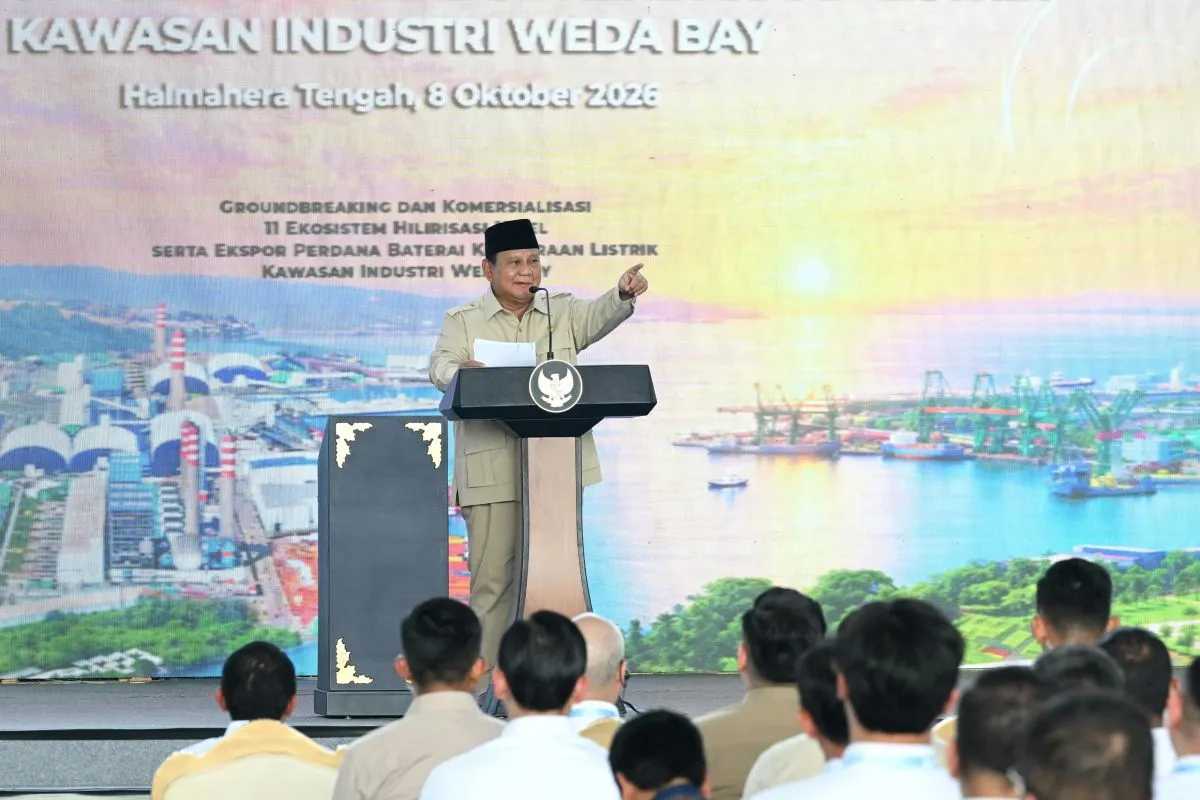
The discussion followed Indonesian President Prabowo Subianto’s visit to Pakistan in December 2025, which resulted in several strategic agreements aimed at deepening bilateral trade relations.
According to official data, bilateral trade between Indonesia and Pakistan reached US$4.1 billion in 2024, representing a year-on-year increase of 24.07 percent. From January to November 2025, total trade exceeded US$3.6 billion, driven primarily by strong Indonesian exports that generated a substantial trade surplus.
Since the IP-PTA came into force in 2013, bilateral trade between the two nations has more than doubled, surpassing US$4 billion.
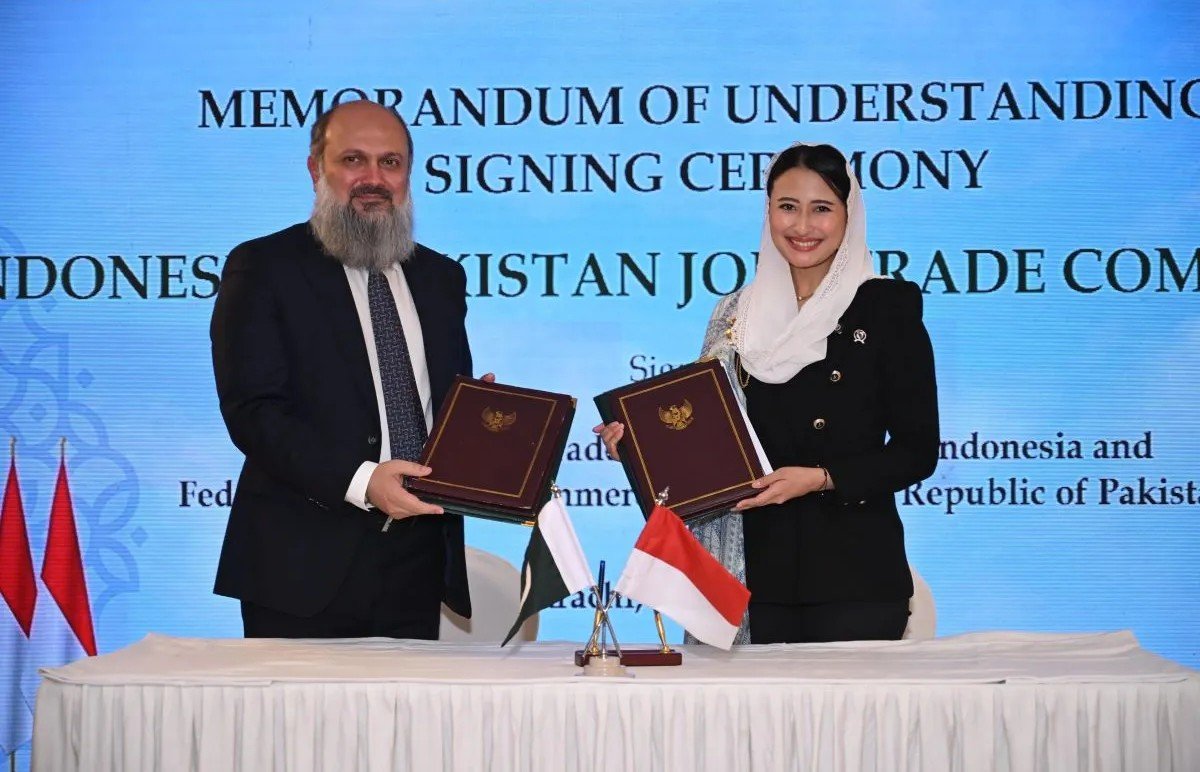
The meeting also saw the signing of a memorandum of understanding (MoU) establishing a Joint Trade Committee to enhance bilateral trade, promote commerce, facilitate information exchange, support small and medium-sized enterprises, and address standards-related issues and trade barriers. The MoU highlights close coordination between the two governments and business stakeholders, particularly in the vegetable oil and agriculture-based industries.
“Palm oil remains a key commodity in Indonesia-Pakistan trade relations,” Esti noted. Pakistan is Indonesia’s third-largest global export destination for palm oil, with imports valued at US$2.77 billion in 2024, accounting for approximately 12 percent of Indonesia’s total palm oil exports.
Indonesia also reaffirmed that its mandatory B50 biodiesel policy will not disrupt palm oil supplies to Pakistan.