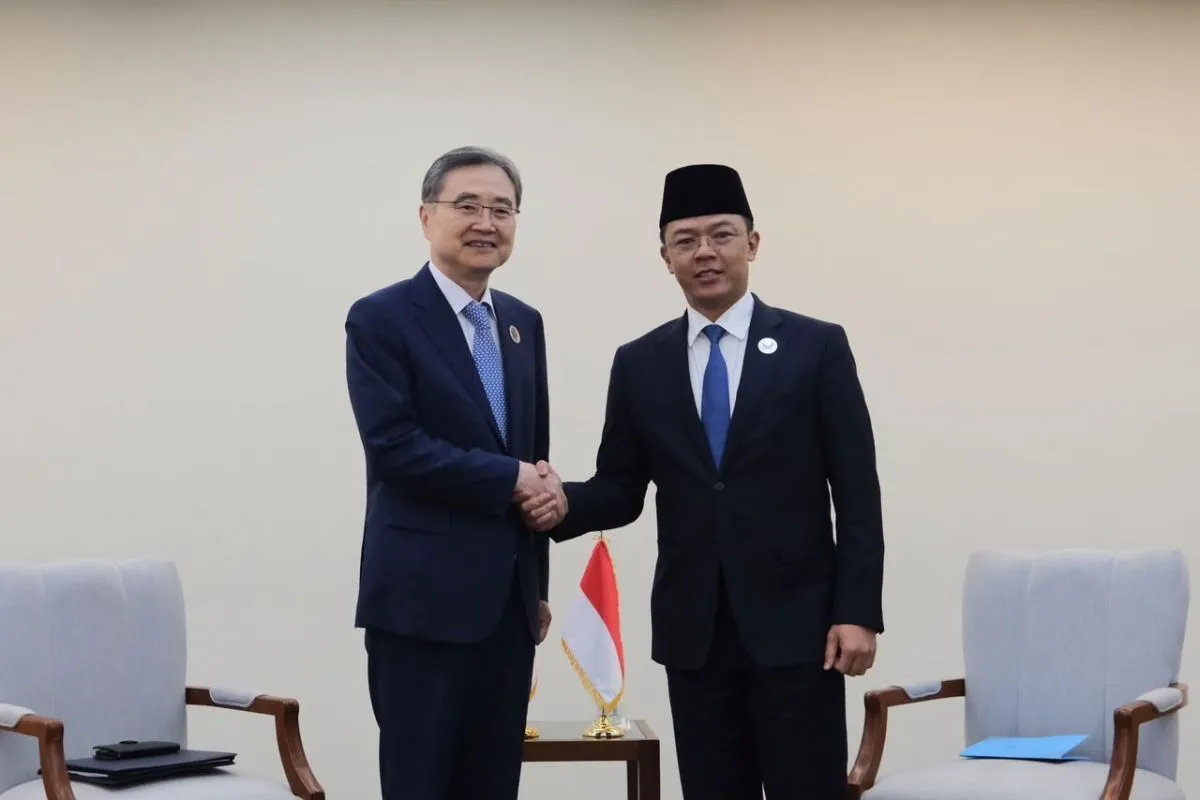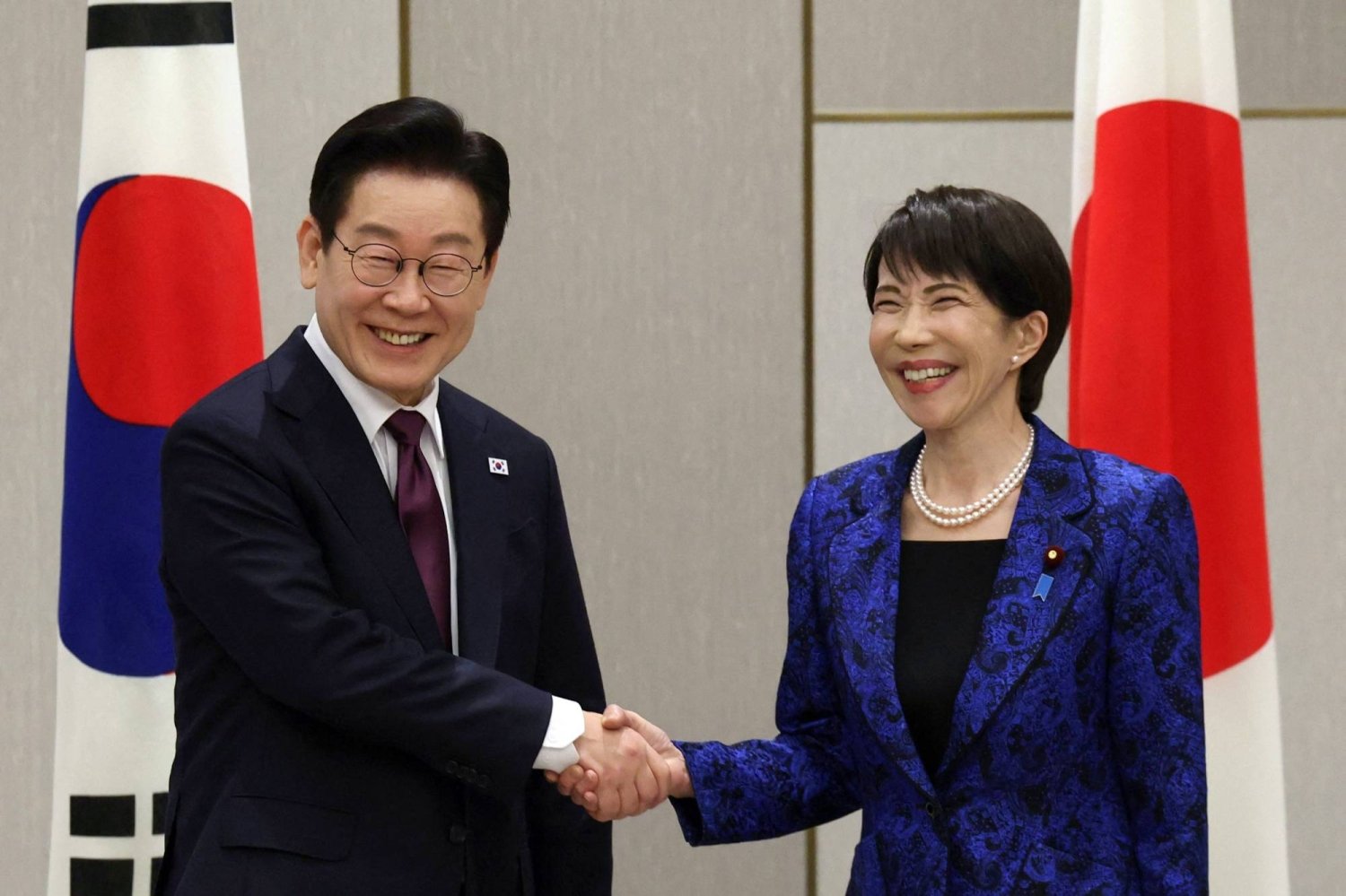
Nara, January 14, 2026 – The Europe Today: On January 13, South Korean President Lee Jae-myung held a summit with Japanese Prime Minister Takaichi Sanae in Nara Prefecture, marking their second formal meeting following the APEC summit in Gyeongju, South Korea, in October 2025.
The summit coincided with the 60th anniversary of diplomatic normalization between South Korea and Japan. In his opening remarks, President Lee underscored the importance of strengthening bilateral relations amid an increasingly complex global landscape. “As the global landscape grows increasingly turbulent, the South Korea-Japan relationship has become more vital than at any point in history,” he said.
Acknowledging the historical and contemporary challenges facing the two nations, Lee emphasized the need to “build a better future hand in hand” by leveraging shared strengths and minimizing friction. He called for collaborative efforts between the peoples of South Korea and Japan to advance a new era of bilateral cooperation.
Prime Minister Takaichi welcomed President Lee to her hometown and expressed her commitment to deepening Japan-South Korea ties while promoting regional stability. “I hope that this year, taking the president’s visit as momentum, we can elevate Japan-Korea relations to an even higher level,” she said.
Historically, South Korean liberal leaders have maintained a firm stance on Japan due to Tokyo’s revisionist perspective on its colonial rule of the Korean Peninsula from 1910 to 1945. However, President Lee has taken a pragmatic approach, balancing historical sensitivities with strategic imperatives, particularly in strengthening trilateral relations with Japan and the United States to address regional challenges, including North Korea’s nuclear ambitions and growing Chinese influence.
Following closed-door discussions, Lee and Takaichi held a joint press conference to outline the outcomes of the summit. President Lee highlighted agreements on expanding bilateral cooperation in economic and social sectors, reinforcing his commitment to advancing the national interests of South Korea through practical, future-oriented collaboration.
Amid heightened tensions between Japan and China, Lee emphasized the importance of trilateral communication and cooperation among South Korea, China, and Japan, signaling his intent to maintain a balanced approach in East Asia. His visit to Japan came shortly after a state visit to China, where he received a warm reception in Beijing.
The summit reaffirmed both leaders’ commitment to enhancing bilateral relations. Observers note, however, that historical issues and Takaichi’s hawkish stance, as a protégé of the late Prime Minister Abe Shinzo, may present challenges for Lee as he navigates public sentiment and strategic imperatives in South Korea.
The meeting reflects the continuation of shuttle diplomacy aimed at stabilizing and advancing South Korea-Japan relations while addressing broader regional security and economic concerns.