Washington, January 23, 2026 – The Europe Today: US President Donald Trump on Thursday announced a bid to host the World Expo 2035 in the state of Florida, positioning Miami as a prospective host city in what is expected to be a highly competitive international race for the prestigious event.
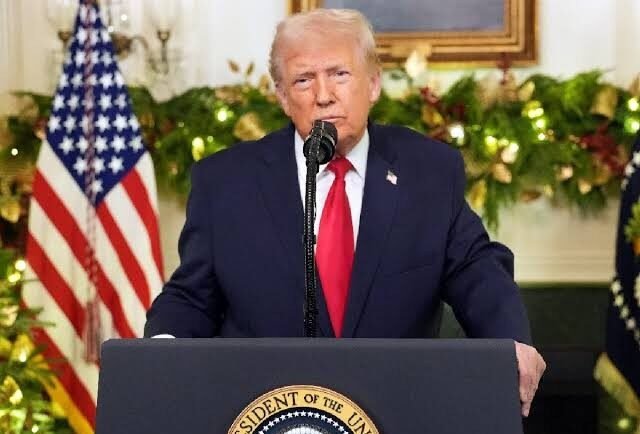
Trump said Miami had expressed interest in staging the Expo and appointed Secretary of State Marco Rubio, a native of the city, to oversee the US bid. He framed the initiative as a major economic opportunity and a symbol of renewed American prominence on the global stage, according to media reports.
“Miami Expo 2035 can be the next big milestone in our new Golden Age of America,” Trump said in a post on his Truth Social platform.
World Expos, which are held every five years, typically require extensive international lobbying and multibillion-dollar financial commitments from host governments. Rubio, who already holds several senior roles, will add oversight of the Expo bid to an expansive portfolio that includes leading the State Department, serving as chief of the now-defunct US Agency for International Development, acting archivist at the National Archives and Records Administration, and acting national security advisor.
World Expos draw vast international audiences to a designated host city, a tradition dating back to London’s 1851 Great Exhibition at the Crystal Palace. That landmark event, which featured around 14,000 exhibitors from 40 countries, laid the foundation for the Expo movement and helped introduce innovations such as ketchup, the telephone and x-ray technology to global audiences.
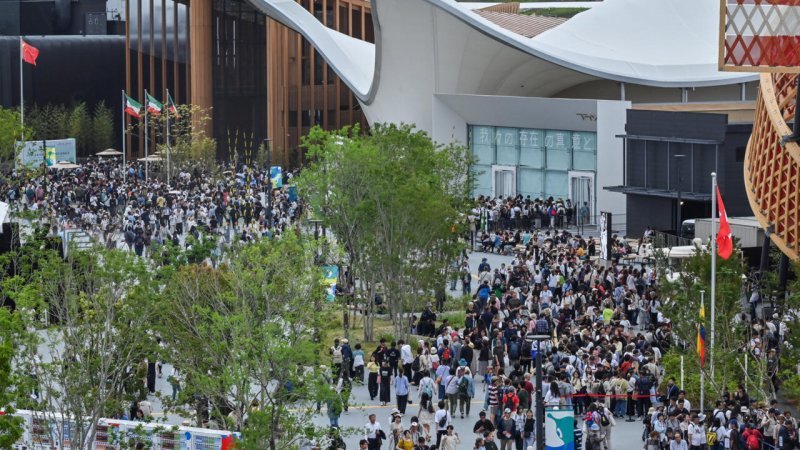
Since 1928, responsibility for overseeing World Expos has rested with the Paris-based International Exhibitions Bureau (BIE), whose more than 180 member states select host cities through a formal vote. The most recent Expo, held over six months in Osaka, Japan, featured participation from roughly 160 countries and regions and attracted more than 27 million visitors.
The United States was once a frequent host of what it traditionally called World’s Fairs, leaving behind iconic landmarks such as Seattle’s Space Needle and New York’s Unisphere. However, the country has not hosted a World Expo since 1984.
While World Expos continue to promote visions of future technology and global cooperation, critics argue that advances in digital communication, global media and affordable international travel have diminished their relevance. Ongoing global conflicts and trade disputes have also led some observers to question the ideals of unity and progress that Expos have historically championed.
Trump, however, dismissed such concerns, describing a potential Miami-hosted Expo in 2035 as “an exciting opportunity to convene the world,” predicting it would create thousands of jobs and add “billions of dollars in growth” to the US economy.