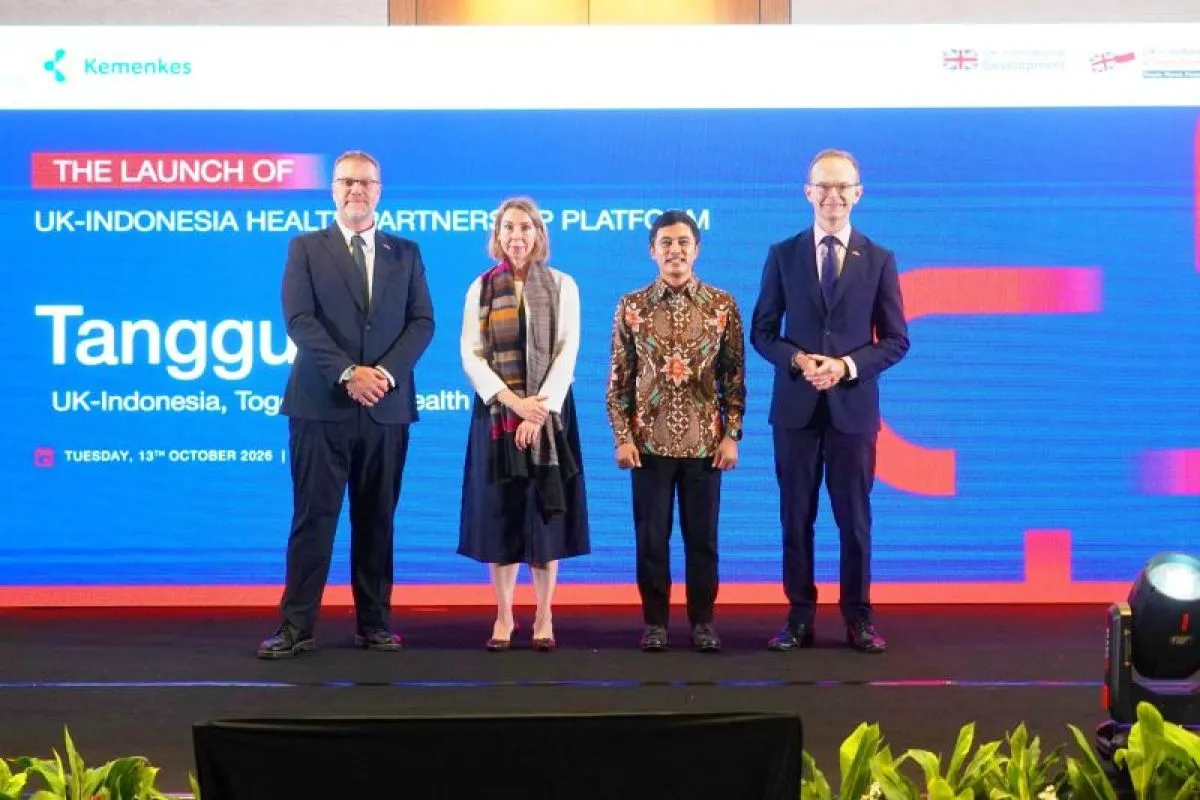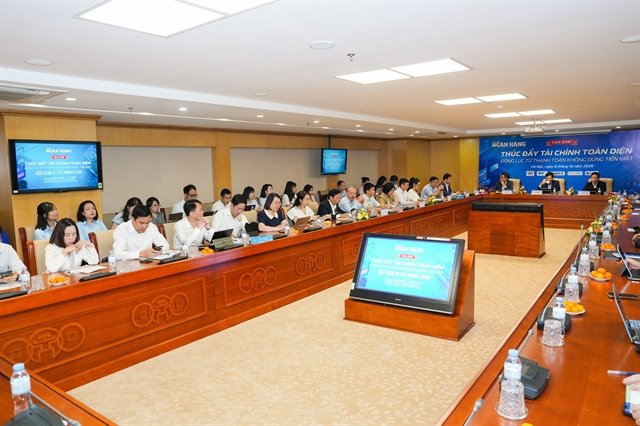
HCM City, January 27, 2026 – The Europe Today: A conference on UK–Việt Nam Digital Health Transformation, bringing together more than 250 delegates from both countries, was held on Tuesday in HCM City as part of activities under the UK–Việt Nam Comprehensive Strategic Partnership.
The conference was organised by the UK Embassy in Việt Nam in coordination with audit firm KPMG Co. Ltd., and brought together more than 25 experts from the United Kingdom, including representatives from the UK Department of Health and Social Care, the National Health Service (NHS), Healthcare UK and other organisations.
Speaking at the event, British Consul-General in HCM City Alexandra Smith said the UK and Việt Nam are long-term partners in healthcare, with cooperation spanning public health surveillance, medical training, clinical research, pharmaceuticals, digital health and health system strengthening.
She noted that both countries face similar challenges, including ageing populations, increasing healthcare demand, workforce pressures and the need to shift from treatment-focused models to preventive care.
“Digital health transformation is not only about technology, but about people, systems and long-term partnerships. This conference provides a valuable opportunity for experts from the UK and Việt Nam to learn from each other, share practical experience and lay the foundations for deeper cooperation,” she said.
Nguyễn Lê Phúc, Deputy General Director of the Administration for Science, Technology and Training under Việt Nam’s Ministry of Health, said the country has introduced policies on healthcare information technology management covering medical examination and treatment, preventive medicine, medical training and food safety.
He said the ministry currently operates three shared database systems, including a data collection system supporting policy formulation, a health statistics system and an administrative procedure handling system. By January 2026, electronic health records integrated into the national identification application VNeID had been fully deployed, covering more than 34 million citizens.
Phúc said digital transformation in hospitals is a top priority, including the implementation of electronic medical records and the gradual elimination of paper-based systems. By January 2027, hospitals are expected to fully phase out paper records and implement integrated digital solutions, including national medical identifiers, electronic prescriptions, telemedicine services, data-sharing platforms and cashless hospital payment systems.
The health sector is also focusing on developing healthcare databases and big data technologies, building national and specialised databases, standardising technical frameworks and promoting the use of artificial intelligence (AI) in healthcare. Phúc stressed the importance of ethical and legal assessments in AI applications, adding that the ministry is studying regulatory frameworks for medical AI management.
He also highlighted challenges facing the national digital healthcare sector, including gaps in cybersecurity coordination, limited system interoperability and a shortage of specialists in information technology, digital transformation and cybersecurity.
At the conference, UK experts shared practical experiences and solutions in healthcare digital transformation with Vietnamese policymakers and businesses. Allex Elias, Director of Technology and Information Standards at the NHS, outlined key approaches such as adopting a common clinical language, unified data structures and scalable shared digital services.
The event concluded with the signing of memorandums of understanding between Vietnamese and UK businesses and organisations to cooperate in areas including electronic medical records, scientific research, knowledge exchange and medical training.