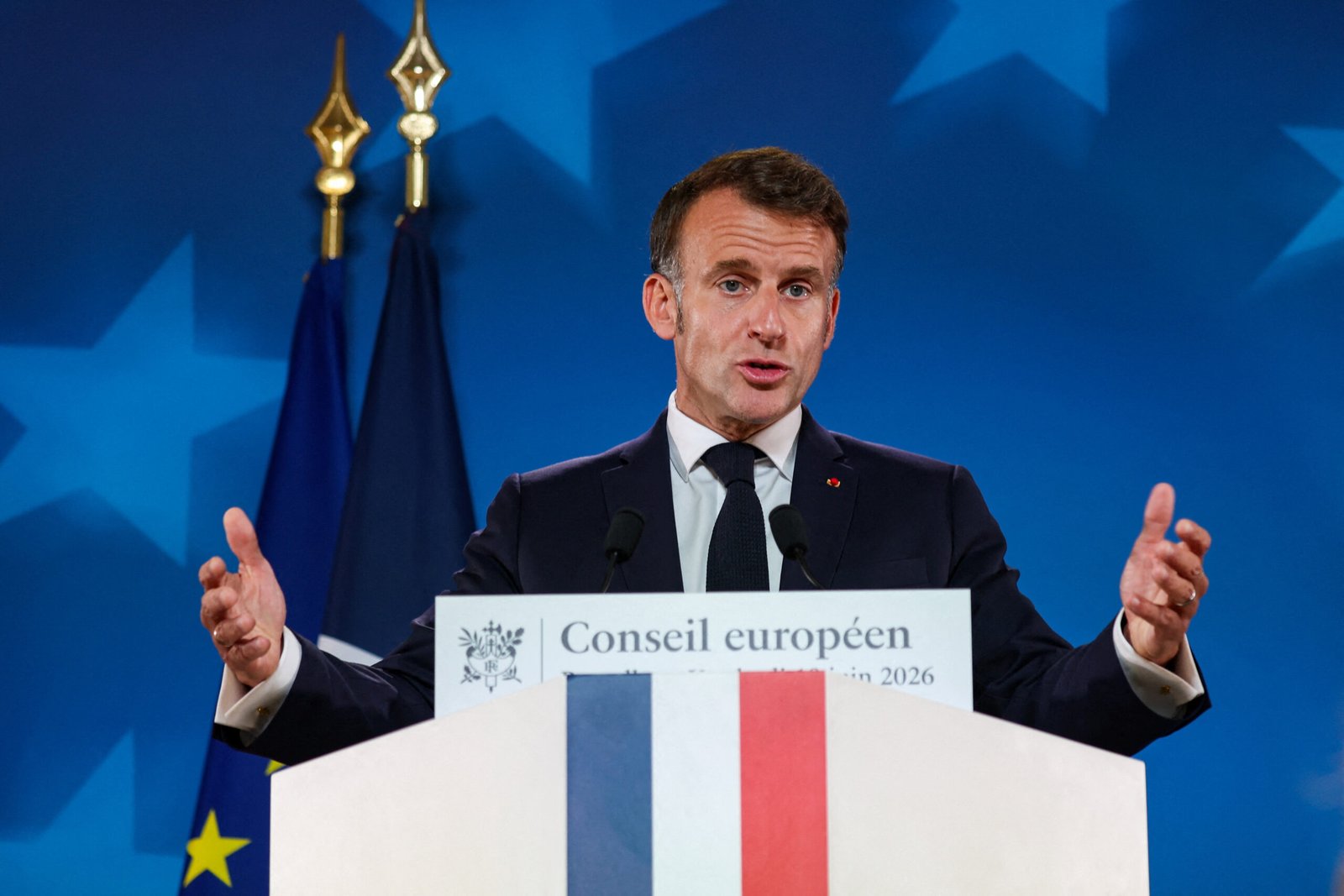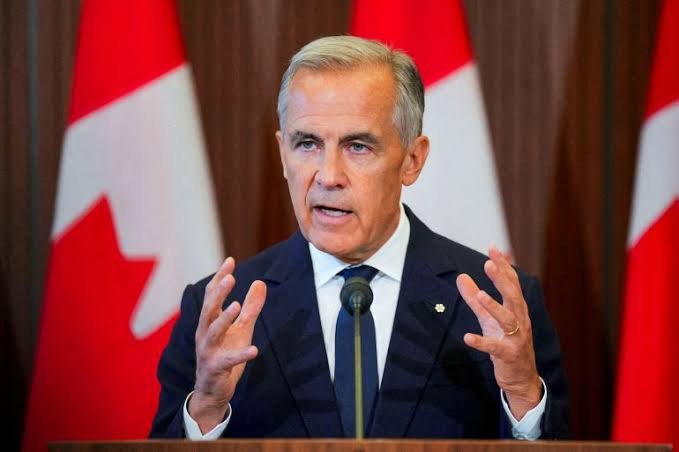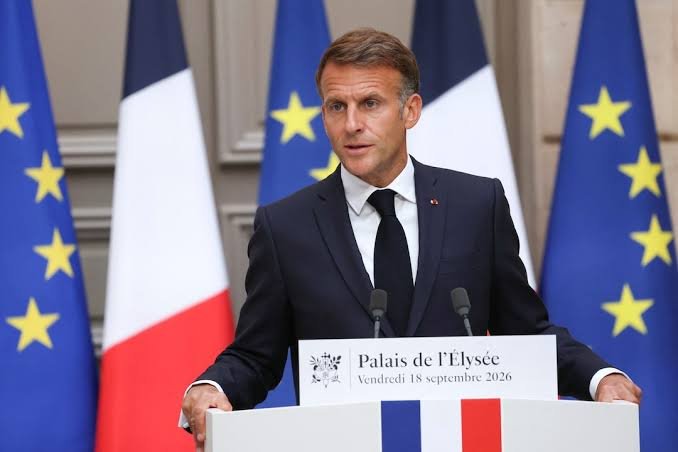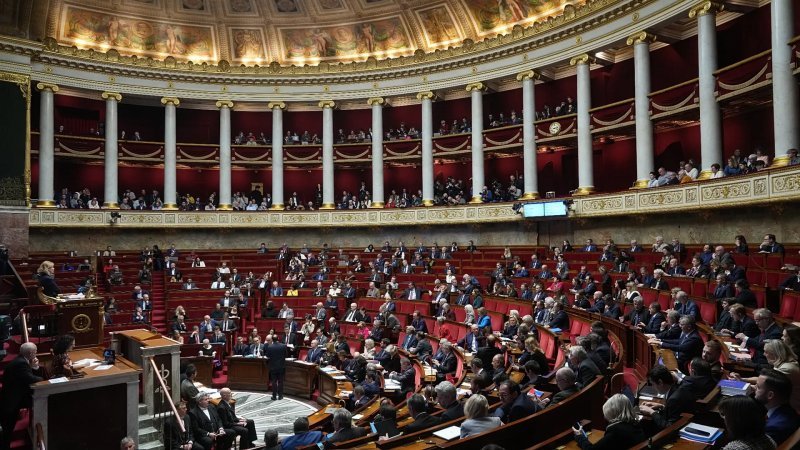
Paris, February 3, 2026 — The Europe Today: After months of political impasse, France’s 2026 state budget was definitively approved on Monday evening, following the failure of two no-confidence motions in parliament, foreign media reported.
The motions were tabled in response to Prime Minister Sébastien Lecornu’s decision last Friday to invoke Article 49.3 of the constitution, which allows the government to pass legislation without a parliamentary vote. One motion was proposed by the far-right National Rally, while the other was brought by left-wing parties, excluding the Socialists. Both motions were rejected, automatically confirming the adoption of the budget.
The approval marks the conclusion of a prolonged and turbulent process that has underscored deep divisions within France’s fragmented parliament. Snap elections in 2024 resulted in a hung assembly, leaving lawmakers unable to reach consensus on measures to address the country’s deteriorating public finances. Facing a lack of a stable majority, Prime Minister Lecornu ultimately chose to force the bill through.
Tensions ran high during Monday’s parliamentary debate. Lecornu accused parts of the opposition of creating “permanent disorder” and argued that obstructing budget discussions at this critical moment was irresponsible. The National Rally, in turn, criticized the budget as a “budget of punishment and deprivation” and called for a vote to bring down the government.
The budget has not won unanimous support among the government’s allies. Several centre and right-wing lawmakers questioned whether the target of reducing the public deficit to 5% of GDP in 2026, down from 5.4% in 2025, is achievable.
Under the new plan, businesses will face several tax increases, including an additional levy on large corporate profits expected to raise more than €7 billion. The state deficit is projected at around €132 billion, broadly unchanged from last year.
Agnès Pannier-Runacher, a lawmaker aligned with President Emmanuel Macron, criticized the budget, stating it “does not prepare the future” and warning that higher taxes could dampen economic activity. She noted that some companies have already frozen hiring while awaiting clarity on the new fiscal measures.