New York, February 4, 2026 — The Europe Today: A new analysis by the World Health Organization (WHO) and its International Agency for Research on Cancer (IARC) has found that up to 40 percent of cancer cases worldwide could be prevented, highlighting the critical importance of stronger tobacco control and other risk-reduction measures to save lives.
The study examines 30 preventable causes of cancer, including tobacco use, alcohol consumption, high body mass index, physical inactivity, air pollution and ultraviolet radiation, media reports said. For the first time, the analysis also includes nine cancer-causing infections, such as human papillomavirus (HPV), which is a major cause of cervical cancer.
Cancer remains one of the leading causes of morbidity and mortality globally, accounting for nearly 10 million deaths in 2020—almost one in six deaths worldwide. Projections indicate that new cancer cases could rise by 50 percent by 2040 if current trends persist, underscoring the urgent need for effective prevention strategies.
Released ahead of World Cancer Day, observed annually on February 4, the study draws on data from 185 countries and 36 cancer types. Estimates show that 37 percent of all new cancer cases in 2022—approximately 7.1 million—were linked to preventable causes.
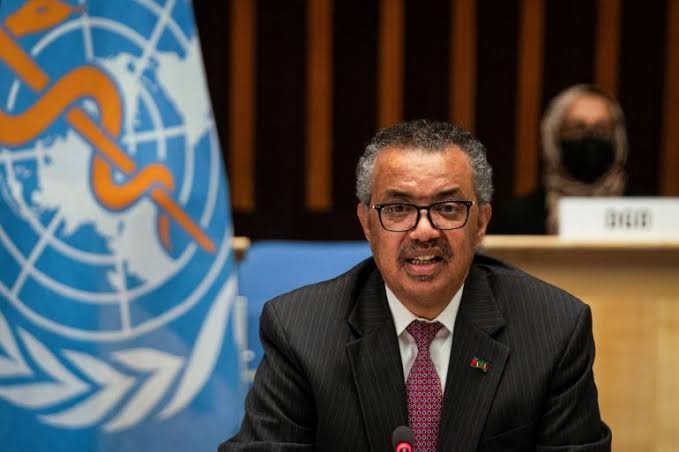
“By examining patterns across countries and population groups, we can provide governments and individuals with more specific information to help prevent many cancer cases before they start,” said Dr André Ilbawi, WHO Team Lead for Cancer Control and author of the study.
The analysis identifies tobacco as the leading preventable cause of cancer, responsible for 15 percent of all new cases, followed by infections at 10 percent and alcohol consumption at 3 percent. Lung, stomach and cervical cancers together accounted for nearly half of all preventable cases in both men and women.
Lung cancer was mainly associated with smoking and air pollution, stomach cancer was largely linked to Helicobacter pylori infection, while cervical cancer was overwhelmingly caused by HPV.
The burden of preventable cancer was found to be significantly higher in men than in women. Among new cancer cases, 45 percent occurred in men compared with 30 percent in women. In men, smoking accounted for an estimated 23 percent of all new cancer cases, followed by infections at 9 percent and alcohol at 4 percent. Among women, infections accounted for 11 percent of cases, followed by smoking at 6 percent and high body mass index at 3 percent.
The study also revealed wide regional disparities. Among women, preventable cancers ranged from 24 percent in North Africa and West Asia to 38 percent in sub-Saharan Africa. Among men, East Asia recorded the highest burden at 57 percent, while the lowest incidence was seen in Latin America and the Caribbean at 28 percent.
These differences were attributed to varying exposure to behavioral, environmental, occupational and infectious risk factors, as well as disparities in socioeconomic development, national prevention policies and health system capacity.
The report emphasized the need for context-specific prevention strategies, including strong tobacco control, alcohol regulation, and vaccination against HPV and other cancer-causing infections such as hepatitis B. Improving air quality, ensuring safer workplaces, promoting healthier diets and increasing physical activity were also highlighted as key measures.
WHO stressed that coordinated action across sectors—including health, education, energy, transport and labour—could prevent millions of families from experiencing the burden of a cancer diagnosis. Addressing preventable risk factors, the agency noted, would not only reduce cancer incidence but also lower long-term healthcare costs and improve overall population health and well-being.