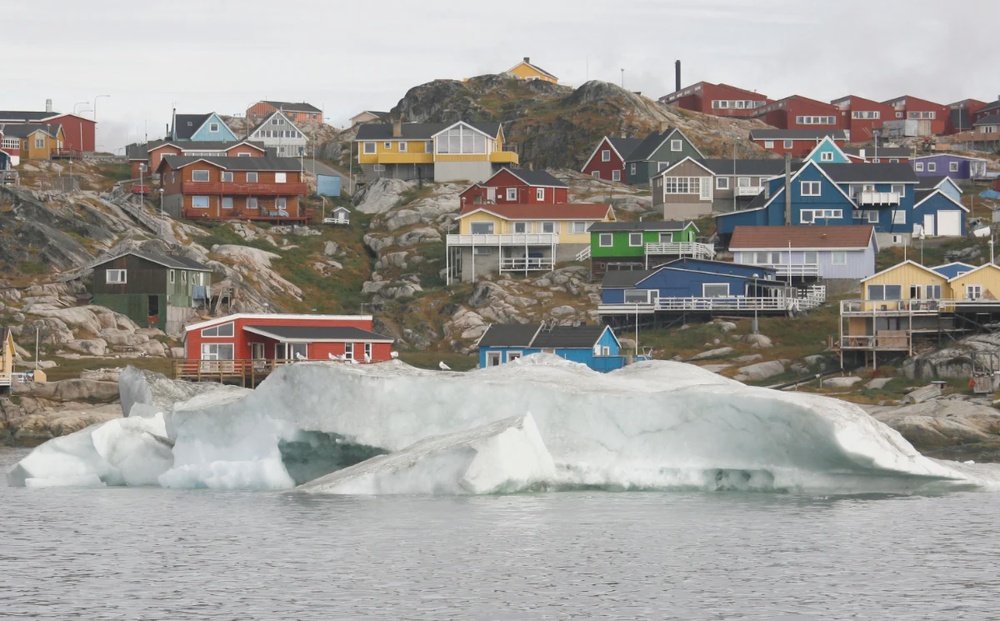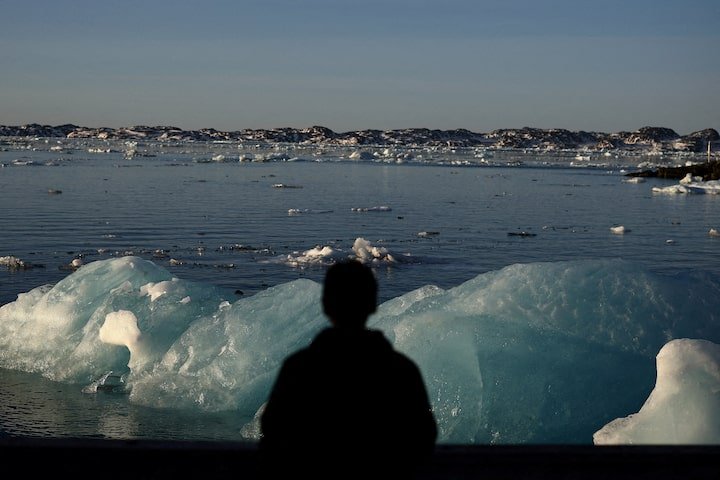
Nuuk, February 4, 2026 — The Europe Today: Greenland experienced its warmest January on record this year, underscoring how rapid climate change is reshaping the Arctic island’s environment, economy, and long-term development prospects.
Preliminary data from the Danish Meteorological Institute indicated that average temperatures in Nuuk reached approximately 0.2°C in January, significantly above the historical average of minus 7.7°C recorded between 1991 and 2020. Scientists note that Greenland is warming roughly four times faster than the global average.
Experts warn that rising temperatures are already affecting sea ice patterns. Ice is forming later, extending less far south, and becoming thinner, which diminishes its reliability for transportation and traditional activities. The shift poses challenges for Greenland’s economy, particularly the fishing industry, which remains the island’s largest export sector. In 2023, fisheries—including shrimp, halibut, and cod—accounted for roughly 23% of Greenland’s GDP and supported about 15% of total employment.
Warming ocean temperatures could alter marine ecosystems and fish migration patterns, potentially impacting catch volumes and the long-term stability of the fishing industry. However, scientists caution that the full extent of these effects remains uncertain.
At the same time, climate change may make mineral extraction more economically viable. Greenland is rich in strategic minerals essential for advanced technology and clean energy industries. Warmer conditions could reduce operational and transportation costs, potentially making some previously challenging mining projects commercially attractive.
Tourism is also being affected, with operators reporting that reduced snow cover and unstable ice conditions are disrupting winter activities such as snowmobiling and skiing.
The changing climate presents both opportunities and risks for Greenland. While new industries could emerge, traditional sectors face uncertainty as environmental conditions evolve. The warming trend has also drawn increasing global attention to Greenland, which holds strategic geographic significance and valuable natural resources.