United Nations, February 14, 2026 – The Europe Today: Pakistan has welcomed the recent agreement between the Syrian Government and the Syrian Democratic Forces (SDF), urging all parties to remain committed to an inclusive political transition aimed at restoring stability and unity in Syria.
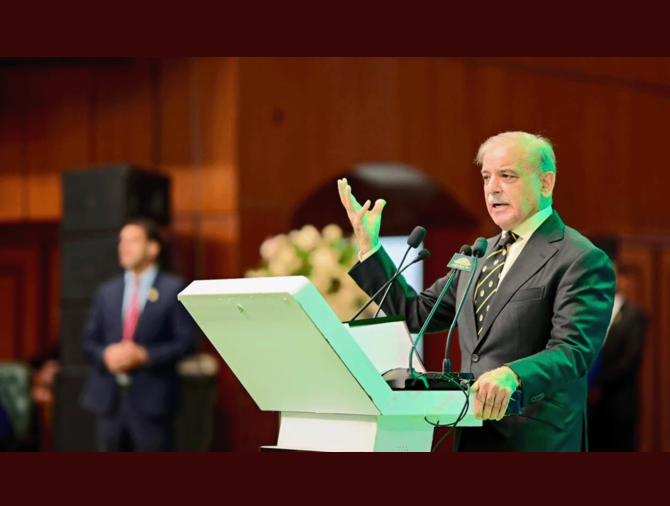
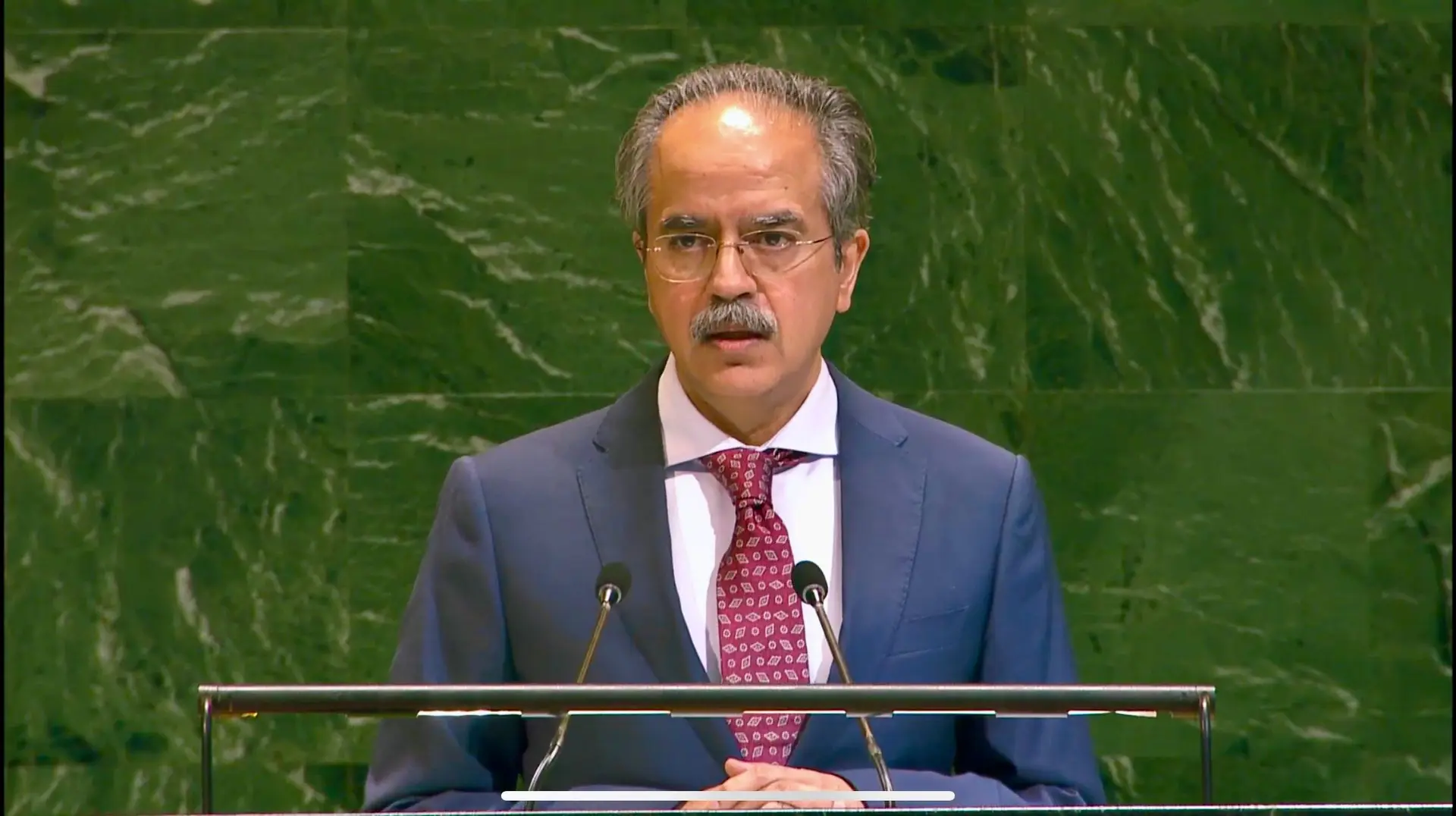
Addressing the United Nations Security Council during a debate on Syria, Pakistan’s Permanent Representative to the UN, Asim Iftikhar Ahmad, expressed hope that faithful implementation of the agreement would strengthen Syria’s unity and territorial integrity.
“We expect that its faithful implementation will bring stability and strengthen Syria’s unity and territorial integrity,” Ambassador Asim said.
He noted that over the past fourteen months, gradual but meaningful steps had been taken toward advancing Syria’s political transition after years of devastating conflict.
“We hope to see this trajectory continue in a steady and inclusive manner, anchored in national ownership, reinforcing state institutions, consolidating security, and creating conditions conducive for durable peace,” he added.
The Pakistani envoy lauded recent initiatives by the Syrian state, including the 16 January presidential decree addressing the rights of the Kurdish community, describing them as constructive measures aimed at promoting national cohesion.
However, Ambassador Asim cautioned that serious challenges remain, particularly the persistent threat of terrorism. He warned that the continued presence and activities of terrorist groups, including foreign fighters such as ETIM, pose significant risks to Syria’s stability and broader regional security.
“Counter-terrorism efforts must remain precise and focused, without conflating state institutions with non-state actors,” he emphasized, adding that detention facilities holding terrorists must be responsibly managed to prevent instability or security vacuums.
Highlighting the grave humanitarian situation in Syria, he stressed that millions of Syrians continue to require sustained assistance as infrastructure, basic services, and livelihoods remain under severe strain.
“Ensuring safe and unimpeded humanitarian access, alongside enhanced early recovery support, is essential to alleviate suffering and restore dignity,” he said, noting that the lifting of sanctions presents an opportunity to gradually shift from a primarily humanitarian framework toward revitalizing economic and commercial activity for meaningful recovery.
Reiterating Pakistan’s strong condemnation of Israeli violations of the 1974 Disengagement Agreement, Ambassador Asim termed such actions “unacceptable” and called on the Security Council to ensure Israel’s full withdrawal from occupied Syrian territory in accordance with its resolutions.
Earlier, the Council was briefed by Deputy Special Envoy Claudio Cordone, who described the 30 January ceasefire and integration agreement between the Syrian Government and the SDF as a potentially transformative development.
According to Cordone, the agreement provides for phased military and administrative integration of northeast Syria, the return of displaced persons, and protection of Kurdish civil and educational rights, building on Presidential Decree 13 concerning linguistic, cultural, and citizenship rights.
“Hostilities have ended and work on an implementation plan has been progressing in a positive manner,” Cordone told the 15-member Council, citing deployments of Ministry of Interior forces in Al-Hasakeh and Qamishli, as well as discussions on local governance and political appointments.
The UN Secretary-General had earlier welcomed the agreement, urging all sides to ensure its swift implementation, particularly regarding the peaceful integration of northeast Syria, protection of Kurdish rights, and the safe and voluntary return of displaced persons.
In a presidential statement issued on Thursday, Security Council members also welcomed the comprehensive agreement and underscored the need for adherence to its provisions to minimize civilian suffering and prevent any security vacuum around ISIL (Da’esh) detention facilities.
Pakistan reaffirmed its support for a Syrian-led and Syrian-owned political process that safeguards the country’s sovereignty, unity, and long-term stability.