Paris, February 18, 2026 – The Europe Today: The United States has called on the International Energy Agency (IEA) to abandon its net-zero emissions scenario modeling, arguing that the targets underpinning much of the global green transition are unrealistic and unattainable.
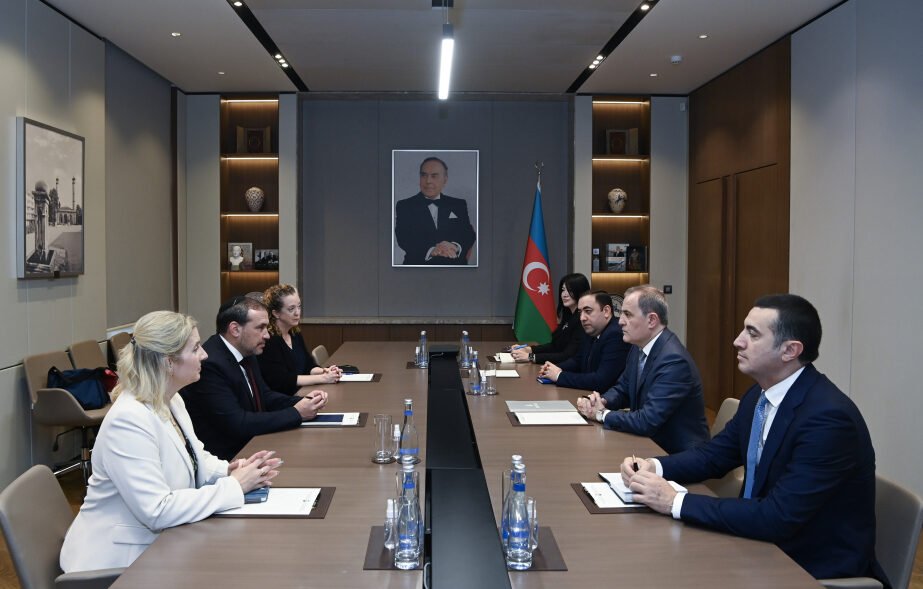
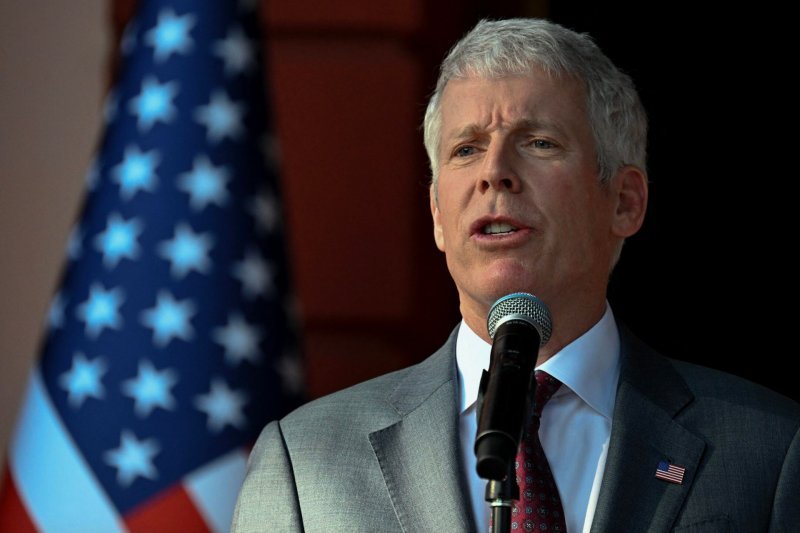
U.S. Energy Secretary Chris Wright made the appeal during a closed-door ministerial meeting of the IEA in Paris on Wednesday, according to individuals familiar with the discussions. His remarks reportedly received a muted response from other energy ministers in attendance.
The intervention follows Wright’s public warning a day earlier that the United States could withdraw from the IEA if it does not shift away from what he described as an excessive focus on the energy transition. Several member states, including the United Kingdom, Austria and France, rejected the suggestion of altering the agency’s direction.
The IEA has played a central role in shaping global climate and energy policy through its analytical models and forecasts, including its widely referenced net-zero emissions scenario. These projections have influenced political decision-making worldwide and supported billions of dollars in renewable energy investments.
During Wednesday’s meeting, Wright reportedly argued that the agency should cease basing its modeling on assumptions that global emissions can be reduced to zero, contending that such targets are unlikely to be achieved. Officials present said that eliminating those baseline assumptions would represent a significant departure from the IEA’s established framework.
According to sources, Wright’s tone during the closed-door talks was more measured than his earlier public statements. While U.S. President Donald Trump has taken a firm stance against aggressive renewable energy policies, Wright is said to acknowledge the scientific basis of global warming, framing his critique around the feasibility of emissions targets rather than disputing climate science itself.
One official familiar with the discussions described Wright as diplomatic, noting that he praised the IEA as a “fantastic organization” while urging members to separate political considerations from what he termed “real-world” energy planning.
“He very smartly divided the political from the organizational, saying, ‘Let’s leave politics out of this, let’s focus on the real world [and] stop wasting our resources on scenarios that are zero percent likely,’” the official said, speaking on condition of anonymity.
The debate underscores growing tensions within the IEA as member states balance climate commitments with energy security and economic priorities, amid diverging national strategies on the pace and scope of the global energy transition.