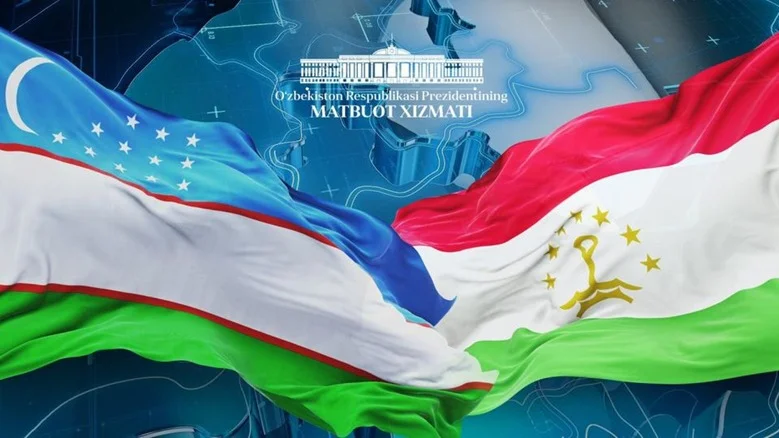
Tashkent, March 24, 2026 – The Europe Today/GNP: Economic cooperation between Uzbekistan and Tajikistan has witnessed steady and positive growth in recent years; however, a significant portion of its potential remains unrealized, a senior expert stated on Tuesday.
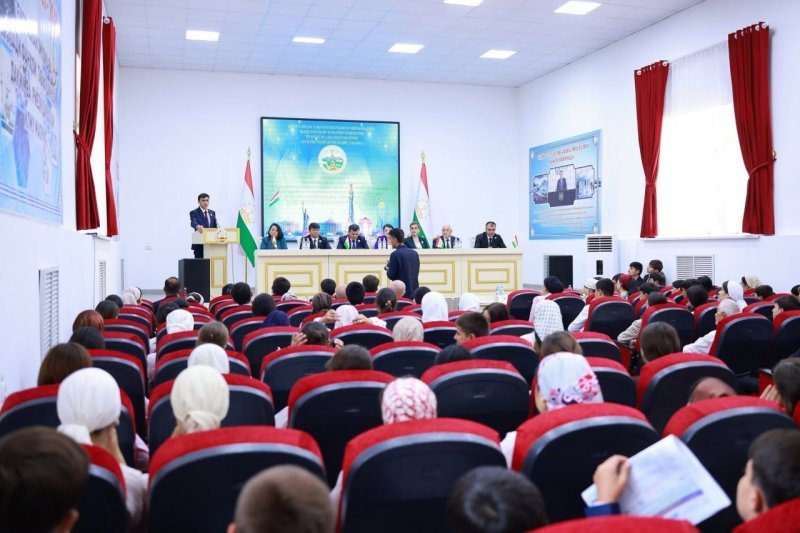
Khurshed Asadov, Deputy Director of the Center for Economic Research and Reforms (CERR), expressed these views while addressing the international scientific and practical conference titled “Uzbekistan – Tajikistan: New Prospects for Alliance and Regional Cooperation” held in Tashkent.
He noted that bilateral relations between the two neighboring countries have reached a qualitatively new stage, underpinned by agreements on strategic partnership and allied relations, which have established a strong institutional framework for expanding economic ties.
According to CERR estimates, mutual trade between Uzbekistan and Tajikistan surged 3.8 times between 2017 and 2025, increasing from $238 million to $912 million. During the same period, Uzbekistan’s exports rose 3.7 times, while imports from Tajikistan grew more than fourfold.
The expert highlighted that Tajikistan currently ranks among Uzbekistan’s key regional partners, standing ninth among countries importing Uzbek products.
Despite this progress, Asadov emphasized that current trade volumes reflect only a fraction of the countries’ full economic potential. He noted that bilateral trade could increase by an additional 30–40 percent by substituting Tajikistan’s imports from third countries with goods produced in Uzbekistan.
He further underscored that geographical proximity, a shared border, and well-developed transport links provide favorable conditions for enhancing trade relations. Significant opportunities remain for expanding Uzbekistan’s industrial exports, particularly in automobiles, household appliances, textiles, and chemical products.
Highlighting prospects in industrial cooperation, Asadov suggested that establishing joint processing facilities in border regions—especially for agricultural raw materials—and developing agrologistics centers could serve as a promising model for future collaboration.
He also pointed out that further development of transport infrastructure and expansion of transit opportunities across Central Asia could act as key drivers of deeper economic integration.
Asadov concluded that the current level of allied relations between Uzbekistan and Tajikistan offers a solid foundation for transitioning towards a more advanced model of economic cooperation, centered on joint investments, industrial partnerships, and regional infrastructure development. Such efforts, he noted, would significantly strengthen regional connectivity and contribute to the broader development of Central Asia.
The conference, organized by the International Institute for Central Asia (IICA), brought together representatives from government institutions, the diplomatic corps, and academic and expert communities of both countries. Participants engaged in comprehensive discussions on trade, investment, and humanitarian cooperation, as well as future prospects for bilateral relations.