Jakarta, April 12, 2026 – The Europe Today: Indonesia’s National Counterterrorism Agency (BNPT) has called for enhanced cooperation with Australia to address the growing threats of online radicalization and terrorism financing, during high-level talks held in Jakarta.
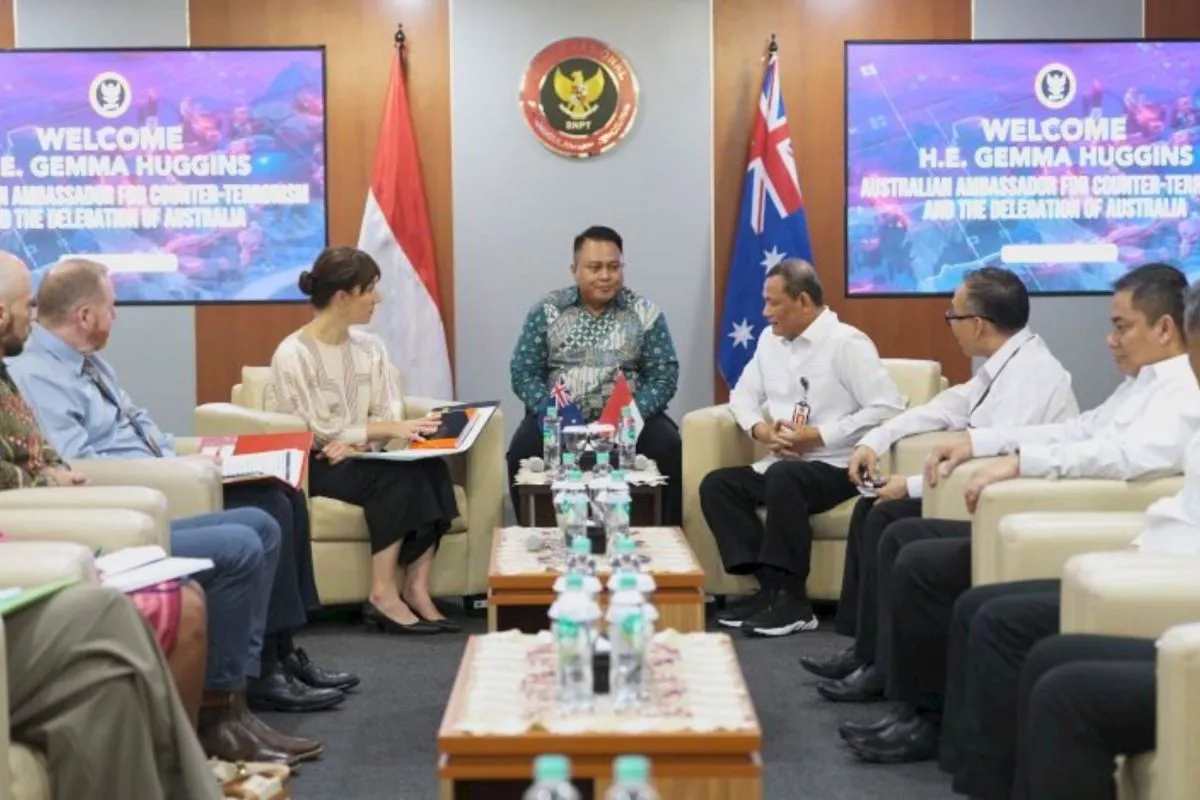
The discussions took place between BNPT Secretary Bangbang Surono and Australian Ambassador for Counter-terrorism Gemma Huggins on April 8, focusing on evolving security challenges in the digital era.
During the meeting, Surono highlighted shared concerns between both countries regarding the spread of extremist ideologies online, particularly targeting children and teenagers. He warned that terrorist networks are increasingly leveraging digital platforms for propaganda, recruitment, and financing.
“The same concerns apply to the growing risks of terrorism funding which has seeped into virtual assets and financial technology, as well as challenges in rehabilitating and reintegrating terrorism-associated individuals into society,” Surono said in a statement.
Despite Indonesia reporting zero terror attacks since 2023, he cautioned that the threat remains persistent as extremist groups continue to adapt to technological advancements. He noted that such groups have intensified efforts to influence Indonesian youth through social media platforms.
As part of its counterterrorism strategy, Indonesia has implemented new regulatory measures, including the Government Regulation on the Governance of Electronic Systems in Child Protection, known as PP Tunas. Effective from March 28, 2026, the regulation restricts access for individuals under the age of 16 to high-risk platforms such as TikTok, Instagram, Facebook, Threads, and X.
Surono also extended condolences to the Australian government over the fatal shooting incident at Bondi Beach last December, reaffirming Indonesia’s solidarity in confronting terrorism.
“Indonesia remains committed to standing by Australia in facing persistent and adaptive terror threats,” he added.
Ambassador Huggins emphasized the importance of continued dialogue and collaboration to safeguard communities from online extremism. She outlined Australia’s comprehensive approach, which includes removing terrorist content, promoting counter-narratives, and strengthening media literacy among citizens.
She further pointed to emerging threats such as the misuse of virtual currencies and generative artificial intelligence in spreading extremist propaganda, underscoring the need for coordinated international efforts.
The meeting reflects a deepening partnership between Indonesia and Australia in tackling modern security challenges and ensuring regional stability in an increasingly digital world.