With the world energy environment in the midst of a significant change, Azerbaijan is not only becoming a conventional energy provider but also a leading participant in the creation of the green environment in the region. The strategic flexibility of the country, which has been predetermined by the geopolitical location, modernized infrastructure, and increased international relations, is helping Baku to become a key participant in the sphere of renewable energy and environmentally friendly connectivity.
Incorporating the Idea of Sustainability
Over the past years, Azerbaijan has stepped up to establish a resilient green economy, by placing sustainability at the core of its development agenda. The main focus of this vision lies in the determination of the government to cut the emission of greenhouse gases by 40 percent by the year 2050 and create net-zero emission areas in the freed lands. They are all firmly in line with the global decarbonization trends, and it should be seen as Azerbaijan seeking to play its own role in the global climate goals.
Trans-Caspian Green Energy Corridor: A Groundbreaking Project
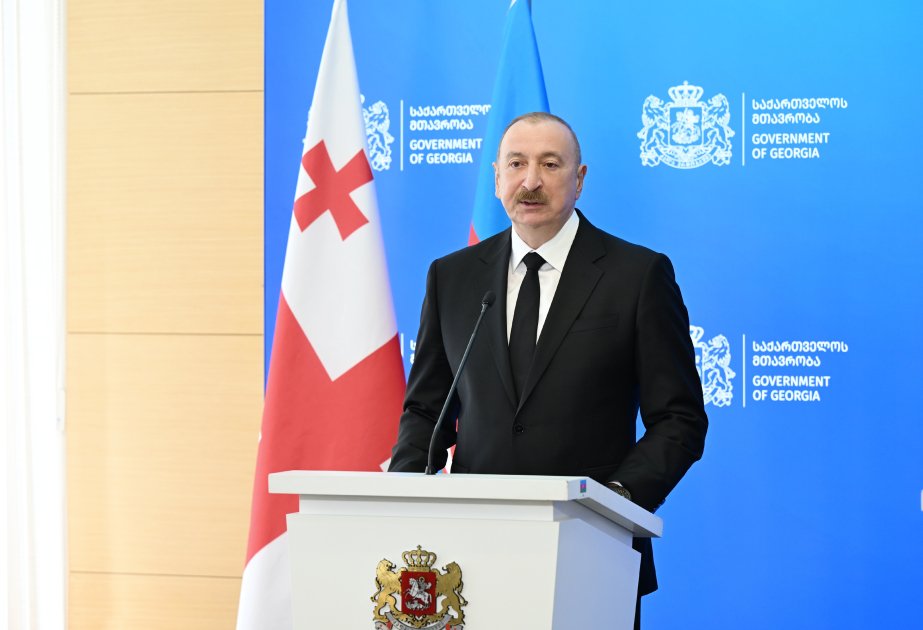
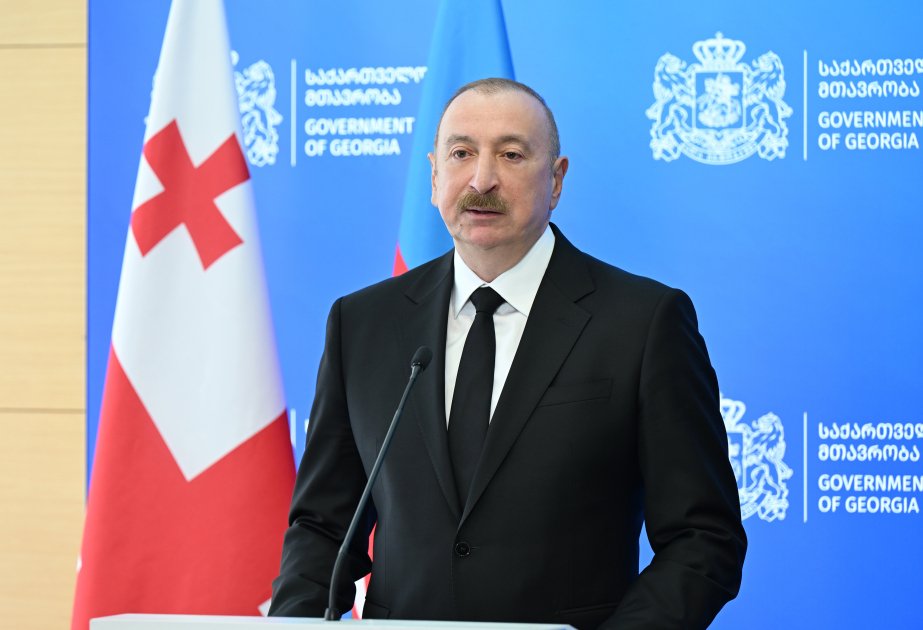
One of the significant achievements came at COP29 in Baku where the Azerbaijan, Kazakh and Uzbek Presidents signed a historic deal to create the Trans-Caspian Green Energy Corridor. The first of its kind, this historic project is intended to unite the power networks of Central Asia and the South Caucasus but the end result is to connect the areas to European energy markets.
To promote this corridor, the Green Corridor Alliance is a joint venture that is based in Baku. Operational work will start in November 2025 with feasibility studies funded by the Asian Development Bank and the Asian Infrastructure Investment Bank. The corridor is not just an infrastructure initiative but a geopolitical tool that has improved the interdependence of the region and made Azerbaijan a strategic energy bridge in the changing Eurasian green framework.
An Investment and Renewable Growth Magnet
In parliament, Economy Minister Mikayil Jabbarov announced that Azerbaijan has already received a total of 2 GW of planned foreign and domestic investment in eight industrial-scale size solar and wind power plants, to reach a total of 2.8 billion in investment. These projects are hastening the economic growth and establishing the foundation of the diversified and sustainable energy ecosystem.
Another energy direction, which is formed through the Caspian-Black Sea- Europe and Central Asia- Azerbaijan green energy corridors, serves further to prove that Azerbaijan is a credible and progressive energy supplier.
Regional Integration at the Heart of Energy Progress
During the 1st Azerbaijan International Investment Forum (AIIF 2025), Deputy Minister of Energy Orkhan Zeynalov stated that the efficiency of the traditional and the renewable energy projects is based on the availability of the reliable transit routes, integrations across the regions, and the predictability of the investment climate. At the same time as Azerbaijan is developing significant domestic projects and enhances the cooperation across the borders.
The line of regional interconnections between Central Asia, Azerbaijan, the Caspian, Black sea, Georgia, Türkiye, and Bulgaria will establish a complete East-West energy corridor. These interlocking routes will strengthen the energy security, increase diversity in supply pathways and enhancement of Eurasian strategic relations.
As well, the growing interest in the case of Saudi Arabia, such as a preliminary memorandum signed by the Saudi Electricity Company regarding the transmission part of the corridor, is a pointer of the increasing international involvement and increases the long-term feasibility of the project.
The Future of Green Hydrogen and Hydrocarbons plus Renewables
Recently, both Azerbaijan and Kazakhstan have considered more intensive collaboration in both the hydrocarbon sector and the renewables sector, which represents a subtle viewpoint that considers the current energy conditions and future demands. One of the aspects of this discussion is the increasing interest in green hydrogen, which is becoming a strategic energy carrier that can decarbonize heavy industries, store renewable energy, and facilitate a long-haul energy flow throughout the Caspian region.
The Emerging role of Azerbaijan in the Eurasian Energy Architecture
Combined, the following developments signify one of the most crucial changes: Azerbaijan is gradually placing itself in the center of the Eurasian green power grid. The capacity of the country to combine local renewable development, digital connectivity programs, global partnerships, and grandiose regional project corridors has brought the country to a whole new level beyond the conventional energy supplier.
With Central Asia finding modern pathways to selling renewable energy and Europe piling up the pressure on clean energy, Azerbaijan is at a very important crossroad, because it is not only a bridge, but a facilitator and, more often than not, a leader in the green transition in the region.

President “The Gulf Observer Research Forum” and the Editor-In-Chief, https://thegulfobserver.com