Jakarta, December 8, 2025 – The Europe Today: The Ministry of Primary and Secondary Education (Kemendikdasmen) has organized a Deep Learning Training program for school principals and basic education teachers, aiming to strengthen teaching approaches and address key challenges in Indonesia’s learning system.
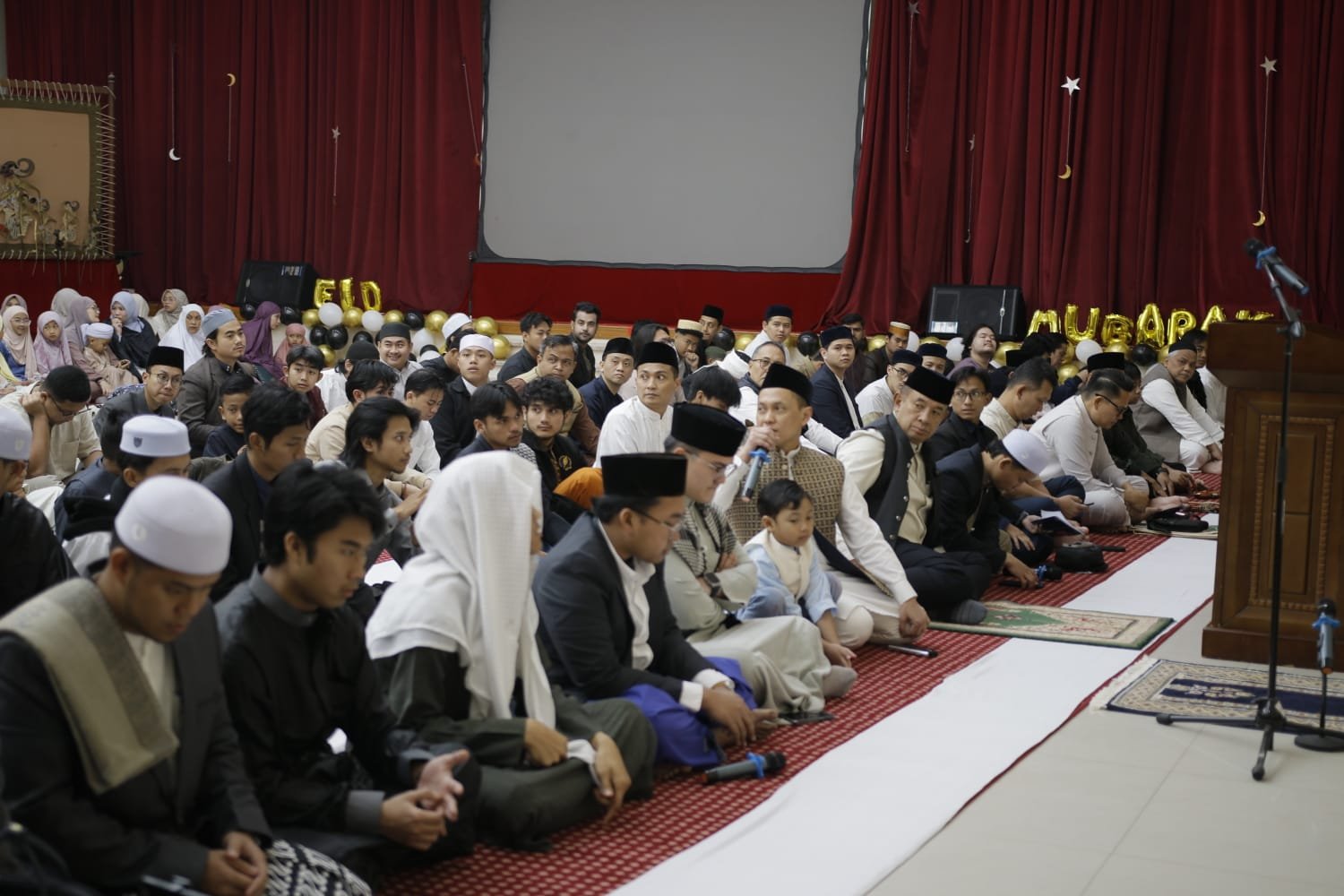
The program was conducted by the West Java Center for Teachers and Education Personnel Development (BBGTK) in collaboration with Persatuan Islam (Persis).
Deputy Minister for Primary and Secondary Education Atip Latipulhayat, in a written statement issued on Sunday, emphasized that deep learning is one of the ministry’s strategic priorities for improving education quality at the primary and secondary levels.
“Deep learning is not a new curriculum, but an approach that requires teachers to master subject matter comprehensively. Its main priority is determining what to teach before how to teach,” Atip said.
He pointed out that many learning challenges faced by students arise from their limited ability to contextualize material, particularly in mathematics and languages. Citing recent assessment results, he noted that while students often grasp basic mathematical concepts, they struggle to apply them in real-world contexts. Similar issues persist in reading and comprehension skills in both Indonesian and English.
Atip underlined three essential pillars of the deep learning approach: meaningful learning, the contextual application of knowledge in daily life, mindful learning, and joyful learning—ensuring that the educational process is enjoyable for both teachers and students.
“Learning should not take place under pressure. Teachers must also be freed from unnecessary administrative burdens so they can focus on teaching,” he stressed.
The deputy minister further highlighted the importance of continuous improvement in teacher competencies and qualifications. He stated that the Indonesian government continues to expand support through improved learning facilities, scholarships for teachers to upgrade their qualifications, and allowances for non-civil servant teachers.
“The government is paying close attention to improving education quality, from upgrading facilities to strengthening support for teachers. Teachers’ competencies must continue to be enhanced, especially mastery of content as the foundation of deep learning,” Atip added.
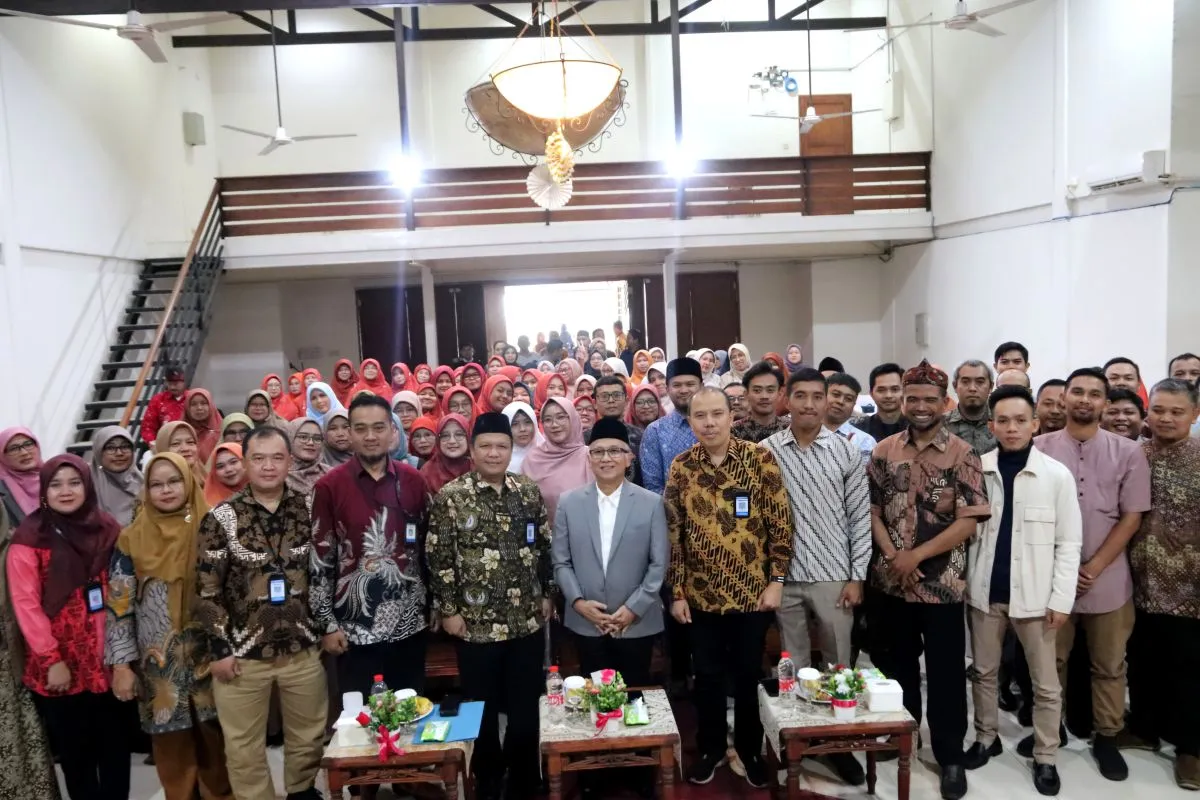
The training program was attended by 236 participants, including 172 early childhood education (PAUD) teachers and 64 primary school teachers. They received instruction from BBGTK West Java trainers specializing in various fields.
Additionally, 106 school principals participated in the program, comprising 61 PAUD principals, 26 primary school principals, 13 junior high school principals, four senior high school principals, and two vocational school principals from institutions under the Persis network.