Jakarta, March 3, 2026 – The Europe Today: Governor of DKI Jakarta Pramono Anung has emphasized that family development represents a strategic long-term investment and foundational pillar of sustainable growth, particularly as Jakarta advances toward becoming a global city.
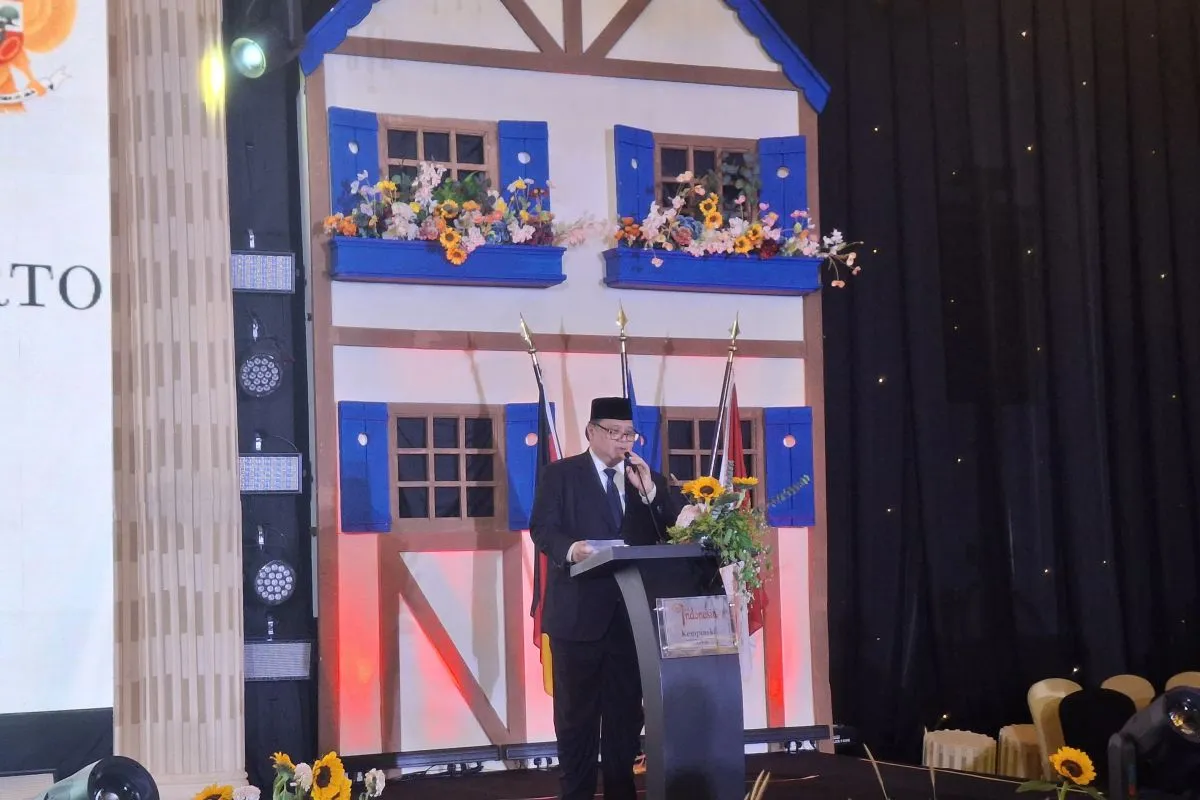
Speaking in Jakarta on Monday, Anung stated that the family serves as the primary foundation of social development. “The family is not merely the smallest unit in the social structure, but the main actor in building social resilience and ensuring sustainable development,” he said.
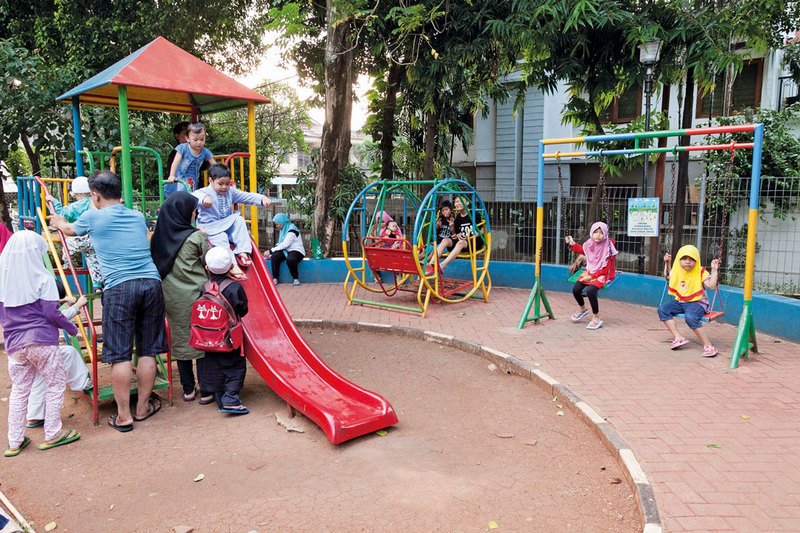
He underscored the importance of instilling values such as compassion, education, and character building within families from an early age, describing family development as essential to shaping resilient communities and future generations.
Draft Regulation on Family Development
In response to Jakarta’s transformation into a dynamic global city, the Jakarta Provincial Government has proposed a draft regional regulation (Raperda) on Family Development.
Anung explained that the proposal is grounded in four key considerations.
The first is a juridical basis under Article 13 Paragraph 2 of Law No. 52/2009 on Population Development and Family Development, which mandates provincial governments to implement family development policies through regional regulations.
The second consideration is sociological. According to empirical data, Jakarta’s Family Development Quality Index (IPKK) rose from 49.59 in 2022 to 63.59 in 2024. However, this remains below the national average, which ranged between 60 and 72.08 during the same period.
Anung noted that more systematic and integrated efforts are required to enhance family welfare, resilience, and participation, particularly as IPKK has been designated a national priority in Indonesia’s long-term and medium-term development plans, with targets of 75.55 by 2029 and 80 by 2045.
Addressing Urban Transformation Challenges
The third consideration relates to Jakarta’s transformation into a global city, which demands high-quality human resources, effective governance, and strong social resilience.
“Family development is an integral part of shaping a generation capable of adapting to urban dynamics and global developments, while upholding local values and identity,” Anung said.
The fourth consideration concerns governance. He pointed out that existing family development policies remain sectoral and fragmented, despite family-related issues spanning the entire life cycle and multiple aspects of life.
Toward Harmonized and Integrated Policies
The proposed regulation aims to create quality families capable of meeting physical, material, and mental-spiritual needs in a balanced manner, enabling them to function optimally within society.
It also seeks to strengthen harmonization and synchronization of family development initiatives within the Jakarta Provincial Government and among all relevant stakeholders.
Anung expressed hope that the draft regulation would serve as a comprehensive framework to enhance family resilience and support Jakarta’s long-term socio-economic development as it evolves into a competitive global city.