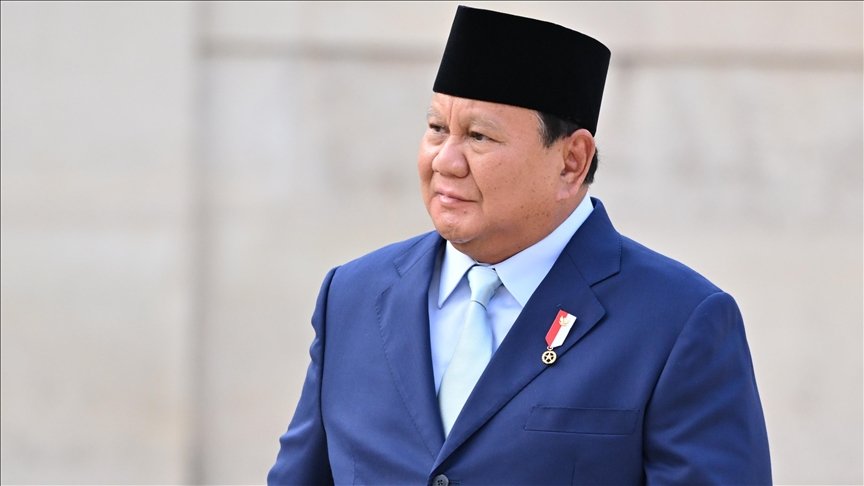
Jakarta, December 16, 2025 – The Europe Today: President Prabowo Subianto has reiterated the government’s strong commitment to achieving energy self-sufficiency as a strategic measure to reduce Indonesia’s dependence on fuel imports and generate substantial savings in state subsidies.
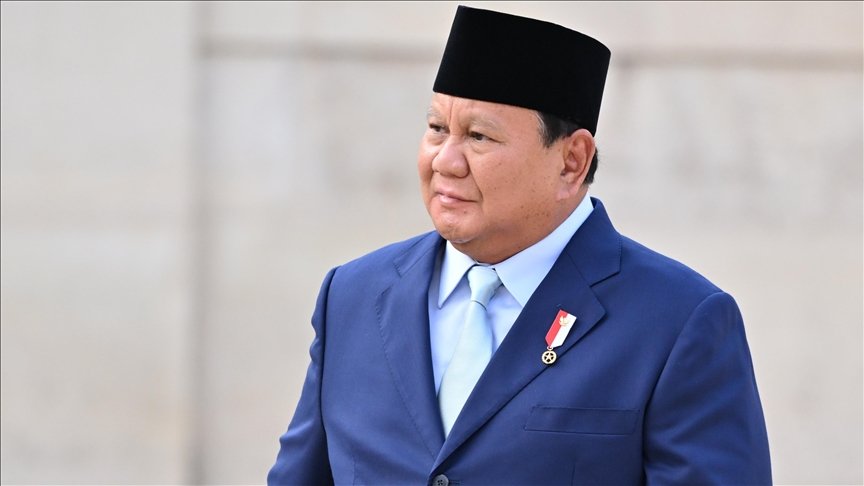
Delivering directives to ministries, state institutions, and regional governments from Papua at the State Palace in Jakarta on Tuesday, the president stressed the urgency of cutting Indonesia’s annual fuel import bill, which currently stands at around Rp520 trillion. He said halving the figure would allow the state to save more than Rp250 trillion, equivalent to over US$15 billion, each year.
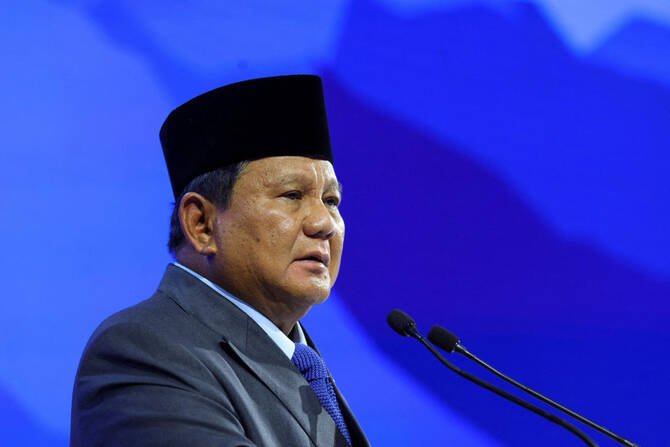
“We have been spending trillions of rupiah annually to import fuel. Imagine how much we could save every year by cultivating oil palms, cassava, and sugarcane for biofuels, while at the same time expanding the use of solar and hydropower,” Prabowo said.
The president noted that his administration has already taken concrete steps toward energy self-sufficiency, including a planned ban on diesel fuel imports starting next year, describing it as a major milestone toward the eventual elimination of foreign fuel supplies.
He expressed confidence that Indonesia possesses sufficient capacity to independently meet its energy needs, pointing to the country’s vast potential in new and renewable energy resources spread across various regions, including Papua.
Prabowo further said the government has formulated policies to ensure that energy-producing regions receive maximum access to the energy they generate, promoting fair and equitable distribution nationwide.
“It is essential to promote the use of solar and hydropower in remote areas, especially as solar power generation technology has become increasingly affordable. At the same time, the optimization of minihydro power plants holds great promise for electrifying these regions,” he said.
In addition, the president highlighted Indonesia’s potential to process its abundant palm oil, sugarcane, and cassava into environmentally friendly fuels such as biodiesel and bioethanol, with the dual goals of reducing fuel imports and strengthening regional energy security.