Jakarta, December 17, 2025 – The Europe Today: The Indonesian Ministry of Tourism has announced that it will focus on 15 key countries as Indonesia’s main tourism markets for the 2025–2026 period, aiming to boost foreign tourist arrivals and enhance visitor spending.
Speaking at a press conference on Tuesday, Firnandi Gufron, Assistant Deputy for Tourism Marketing Strategy and Communication at the Ministry, said, “Empirically and historically, these are the 15 markets that contribute most to foreign tourist arrivals in Indonesia.”
The selected countries include Malaysia, Singapore, Australia, China, India, Japan, Korea, the United Kingdom, Germany, France, Russia, the Netherlands, Saudi Arabia, the United Arab Emirates, and the United States, each chosen for specific strategic reasons.
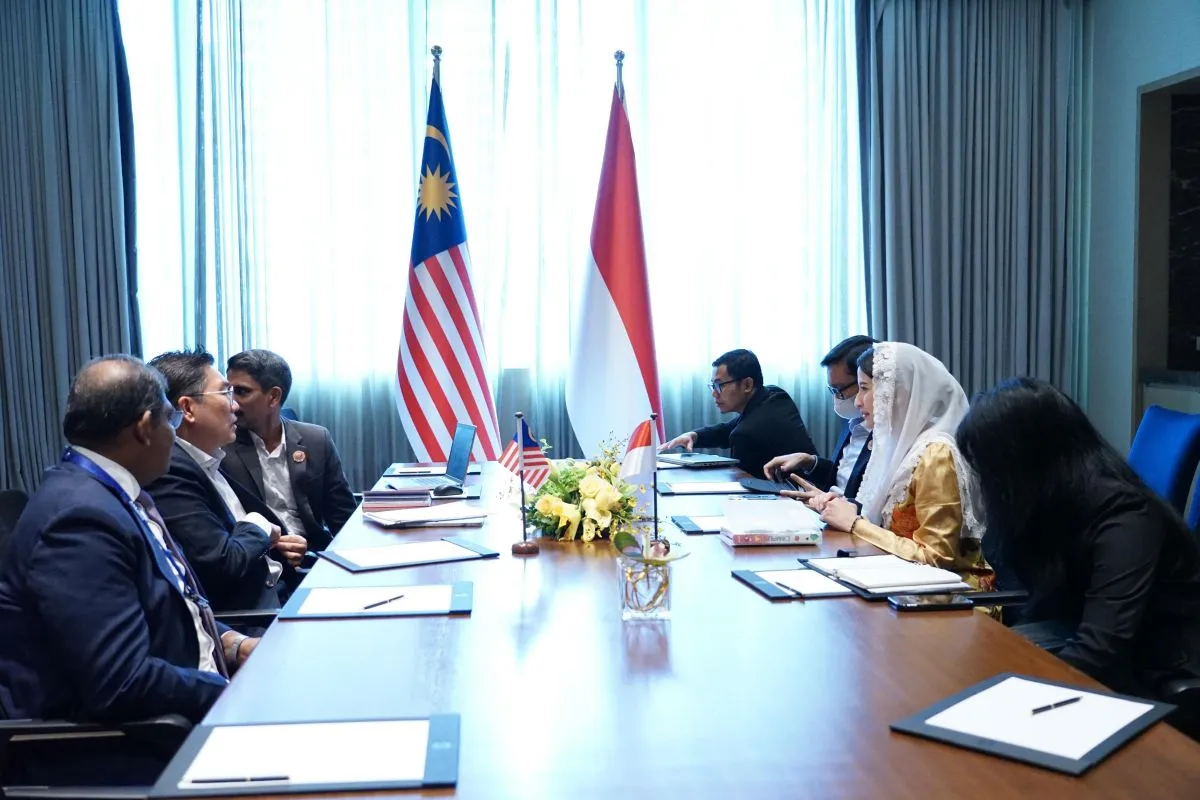
Gufron explained that the Malaysian market, which contributes significantly to tourist arrivals, can be further developed due to geographical proximity and opportunities to enhance quality tourism experiences. Malaysian visitors are particularly attracted to art, culinary offerings, city life, cultural and religious heritage, and rural tourism.
Singapore, another high-contributing market, presents opportunities for wellness tourism and luxury retreats, despite the relatively short length of stay of its visitors.
Emerging markets like India and Russia have shown promising growth in tourist arrivals. Data from the Ministry of Tourism indicates that between January and October 2025:
- Malaysia recorded 2,182,626 arrivals, up 15.91 percent from 2024.
- Singapore reported 1,197,222 arrivals, an increase of 7.66 percent.
- India had 603,654 arrivals, up 3.25 percent.
- Russia saw 178,434 arrivals, marking a significant growth of 29.94 percent.
The Ministry aims to leverage these trends to increase tourist spending and extend length of stay in Indonesia.
For domestic tourism, the Ministry will focus on aligning offerings with people’s interests, including culinary tourism, shopping experiences, city and rural exploration, marine tourism, and adventure activities.
This strategy reflects Indonesia’s commitment to strengthening both inbound and domestic tourism sectors as part of its broader economic development goals.