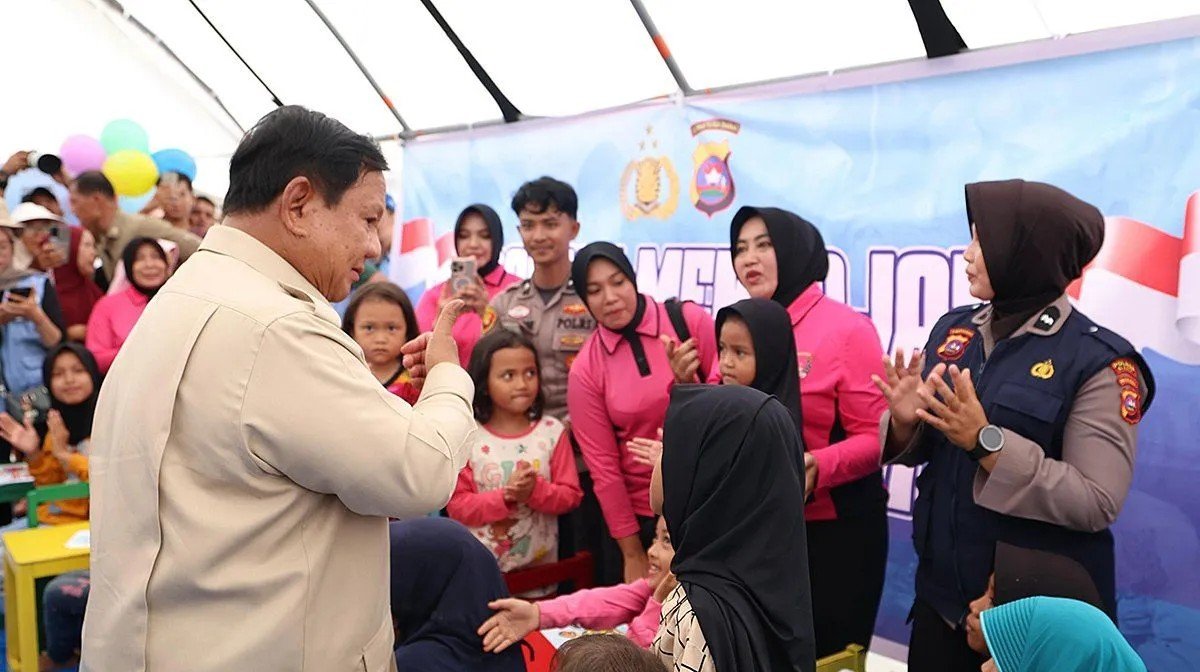
Jakarta, January 2, 2026 – The Europe Today: President Prabowo Subianto has intensified Indonesia’s campaign against deforestation and environmental crime following the devastating floods and landslides in Aceh, North Sumatra, and West Sumatra in late November 2025, which claimed over 1,000 lives. The government attributes the scale of the disaster largely to human-induced environmental degradation, particularly illegal logging and forest destruction in river catchment areas.
An investigation conducted by the Forestry Regulation Enforcement (PKH) Task Force in collaboration with the Bandung Institute of Technology (ITB) confirmed that forest degradation in upstream areas was a major factor behind the tragedy. Satellite imagery revealed widespread illegal deforestation, with large machine-cut logs found among flood debris. Investigations into 27 companies operating in the disaster-affected regions suggest that corporate and individual activities were primarily responsible.
President Prabowo has called for stringent law enforcement against perpetrators, directing the Attorney General’s Office (AGO), the Ministry of Forestry, and the National Police (Polri) to hold violators accountable and prevent future disasters. Speaking from an evacuation post in Aceh Tamiang District on December 12, he emphasized the need for vigilance against illegal logging and environmental crimes, framing such offenses as a threat to national sovereignty.
In a coordinated government response, TNI (Indonesian Armed Forces) personnel have been deployed alongside forest police to protect protected areas and support evacuations, while heavy equipment used in illegal logging has been seized and business permits for palm oil, lumber, and mining companies spanning millions of hectares are being reviewed or revoked.
Since the PKH Task Force was established on January 21, 2025, it has successfully recovered over 4 million hectares of plantation land, exceeding initial targets by more than 400 percent, valued at approximately Rp150 trillion (US$9 billion). Recovered lands have been allocated to state-run entities such as PT Agrinas Palma Nusantara, while other areas are set for ecological recovery and reforestation, including sections of Tesso Nilo National Park.
President Prabowo underscored that environmental governance must comply with Article 33 of the 1945 Constitution, which states that natural resources are controlled by the state for the prosperity of the people. The government has also generated Rp2.34 trillion (US$138 million) in administrative penalties from forestry regulation offenders, highlighting its commitment to deterrence and accountability.
Environmental experts warn that most river basins in Sumatra are in critical condition, with forest cover reduced to less than 30 percent of the island’s total area. The Batang Toru River basin in North Sumatra alone has lost 70,000 hectares of catchment forest since 1990, with additional land converted for industrial use. The resulting soil erosion and vulnerability to floods underscore the urgency of reforestation and sustainable land management.
In line with Indonesia’s climate resilience goals, the Ministry of Forestry has embarked on large-scale reforestation projects incorporating economically valuable and ecologically resilient tree species, including rain trees, mahogany, garlic trees, durian, and ironwood, the latter noted for its deep roots and ability to prevent erosion.
President Prabowo’s proactive measures, combining disaster relief with strict environmental enforcement, aim not only to protect citizens and prevent future tragedies but also to restore ecological balance, offering hope for a safer, more resilient Indonesia.