Hanoi, January 14, 2026 – The Europe Today: Prime Minister Phạm Minh Chính has called for accelerated efforts to clear landmines and unexploded ordnance (UXO) in Việtnam, aiming to remove contamination to a depth of 0.5 metres across all affected areas by 2045.
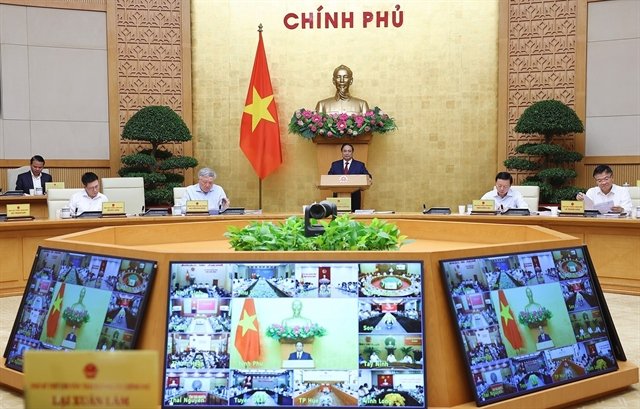
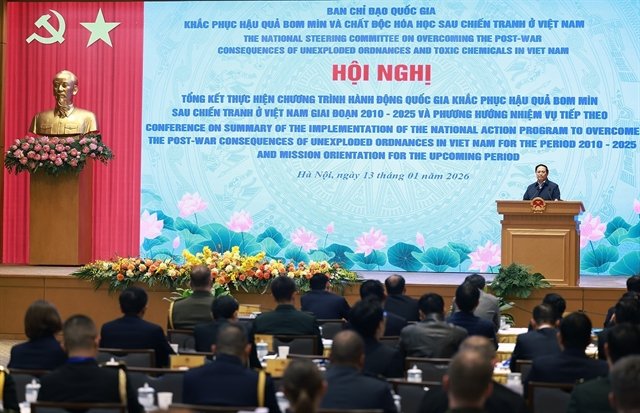
He made the remarks on Tuesday at a conference of the National Steering Committee on the Settlement of Post-War Unexploded Ordnance and Toxic Chemical Consequences (Steering Committee 701), which reviewed UXO-related work from 2010 to 2025.
Over the past 15 years, survey and clearance operations have been conducted on nearly 530,000 hectares of land nationwide, with annual clearance reaching almost 35,000 hectares—an increase of 35 per cent compared to earlier periods. Total funding for UXO clearance during this period reached VNĐ29 trillion (US$1.1 billion), with over VNĐ23 trillion from domestic sources and VNĐ5.6 trillion from international aid.
Currently, land suspected of contamination has been reduced to about 5.57 million hectares, roughly 17 per cent of the country’s total land area. The number of landmine-related accidents has fallen sharply, from 463 casualties between 2010 and 2016 to only one or two incidents in some years after 2017, with many localities reporting no accidents for years.
In addition to clearance efforts, the government has implemented mine risk education, accident prevention, and victim support programs. More than 6,000 UXO victims and others affected by war remnants have received monthly allowances and livelihood assistance, with total funding exceeding VNĐ52 billion ($2 million).
A nationwide map of UXO contamination was completed in March 2018, providing essential data for safe living in low-risk areas and guiding international assistance programs. Mine action projects funded by foreign governments and international organisations—including the United States, Japan, the Republic of Korea, the United Kingdom, Australia, and Norway—have contributed significantly to local communities and socio-economic development.
Japanese Ambassador Ito Naoki highlighted the importance of Japan’s humanitarian assistance in addressing the ongoing consequences of war and praised the results of cooperation in mine clearance and dioxin remediation.
In provinces such as Tuyên Quang, Lào Cai, Lạng Sơn, Cao Bằng, Quảng Ninh, and Quảng Trị—among the most affected by UXO—clearance projects have also included land remediation and recovery of fallen soldiers, reflecting the Party, State, military, and society’s gratitude to martyrs and war veterans.
Vice Chairman of Quảng Trị Province’s People’s Committee Hoàng Nam emphasized that addressing post-war bomb and mine consequences is a long-term mission requiring sustained focus to ensure residents can live safely.
At the conference, Prime Minister Chính commended the achievements of mine action over the past 15 years and expressed gratitude to international partners. He stressed that post-war mine action remains a humanitarian and urgent task vital for public safety and sustainable socio-economic development.
The Prime Minister urged improvements in mine action policies, strengthened organisational structures and clearance capacity, and expanded international cooperation. He also called for the effective use of domestic and international resources, promotion of science and technology in clearance operations, public education, and timely support for mine accident victims, with the goal of making Việtnam a global model in mine clearance and post-war remediation.