Banda Aceh, January 18, 2026 – The Europe Today: Indonesia’s National Nutrition Agency (BGN) has urged nutrition service units (SPPGs) operating as kitchens under the Free Nutritious Meals (MBG) program to prioritize locally sourced ingredients.
Deputy Head of BGN, Sony Sanjaya, emphasized that procuring supplies from local farmers and businesses is crucial for promoting equitable economic development across regions.
“The MBG program is designed not only to meet children’s nutritional needs but also to stimulate local economies,” Sanjaya said during an event in Banda Aceh on Saturday.
He highlighted that the annual procurement of chicken eggs for the national program in Pidie District, Aceh, requires a budget of approximately Rp100 billion (nearly US$6 million). Sourcing these eggs from outside the region, he warned, could result in an indirect loss of that amount to the district’s economy.
“The same applies to other ingredients; if a region sources them externally, it loses the opportunity to meet local needs independently, which can hinder economic growth,” Sanjaya added.
Currently, the MBG program in Aceh reaches around 1.7 million people, supported by 553 SPPGs employing more than 28,000 workers. The government spends over Rp17 billion daily on the program in Aceh, assuming each MBG portion is valued at Rp10,000 (US$0.59), he noted, underscoring the importance of self-sufficiency in program supplies.
Sanjaya also pointed out that the MBG program empowers local farmers and livestock breeders by requiring rice, vegetables, fruits, and meat from within the region.
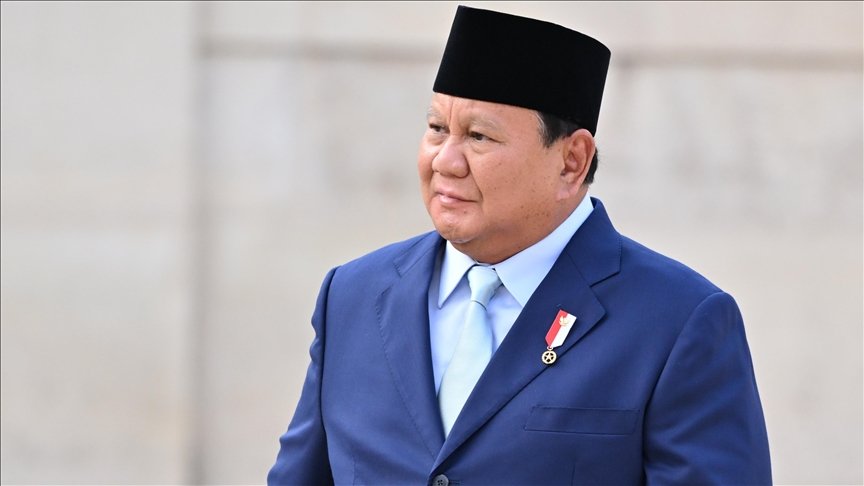
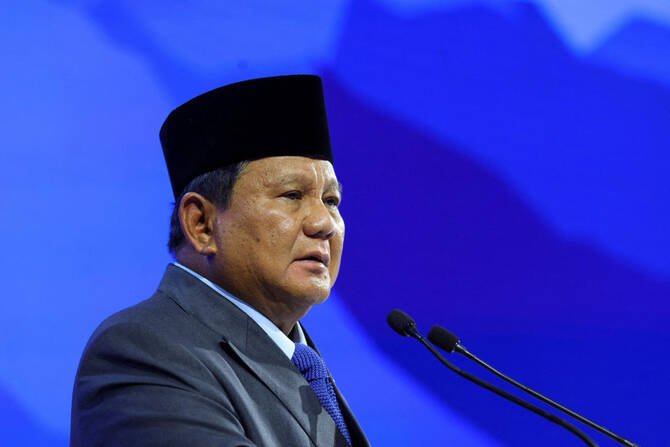
Launched in January 2025 under President Prabowo Subianto, MBG is a flagship initiative aimed at improving nutrition, enhancing public health, addressing childhood stunting, nurturing quality human resources, and stimulating economic growth nationwide. As of January 12, 2026, the program had served 58 million schoolchildren, breastfeeding mothers, pregnant women, and toddlers, with a target of reaching 82 million citizens by the end of 2026.