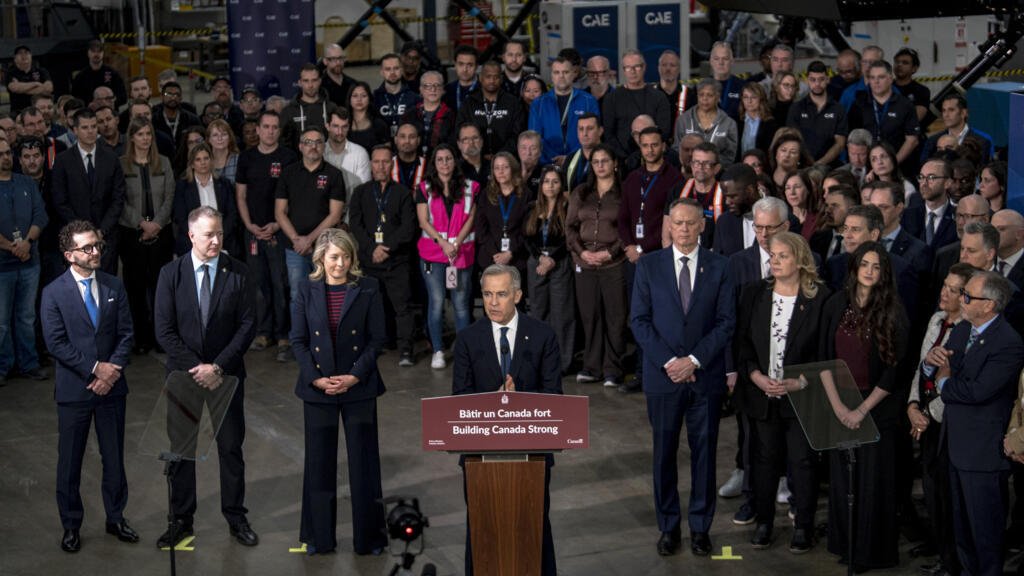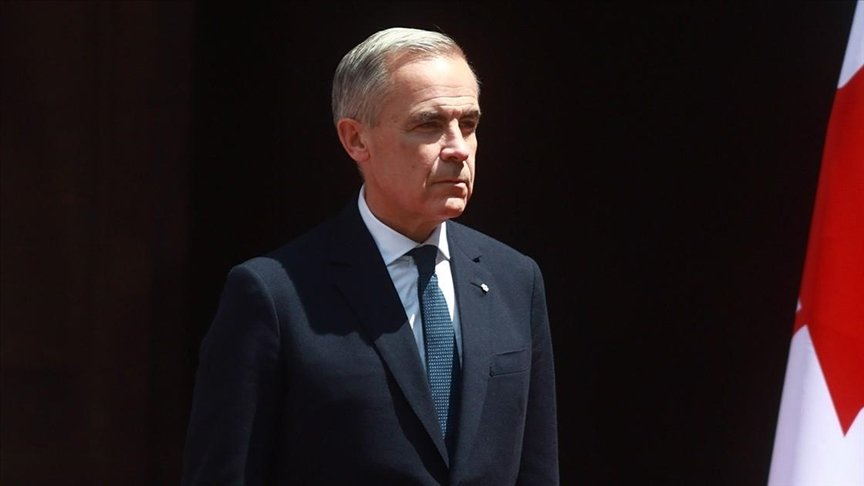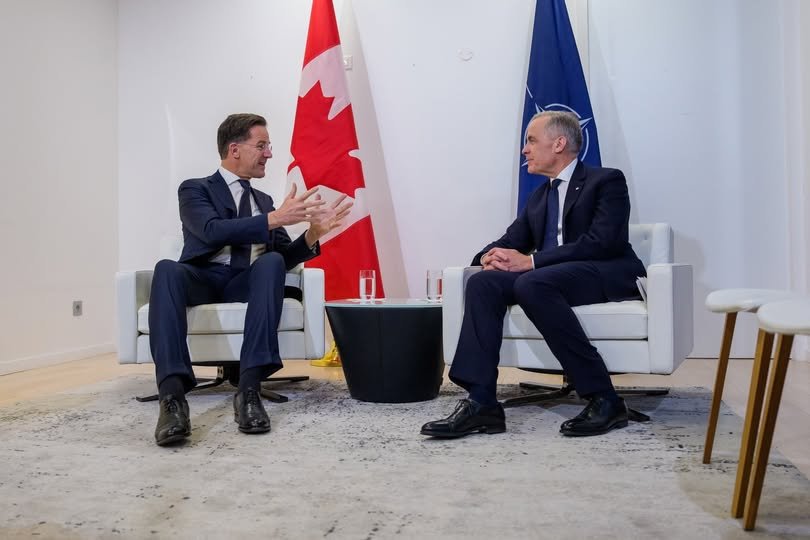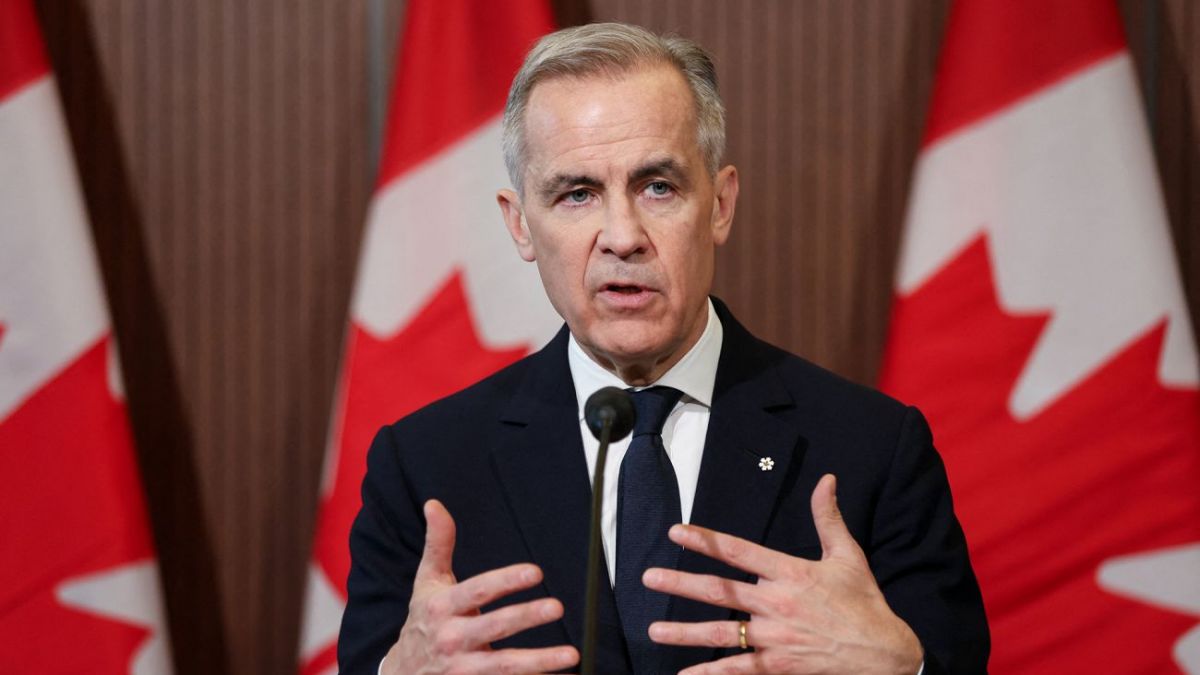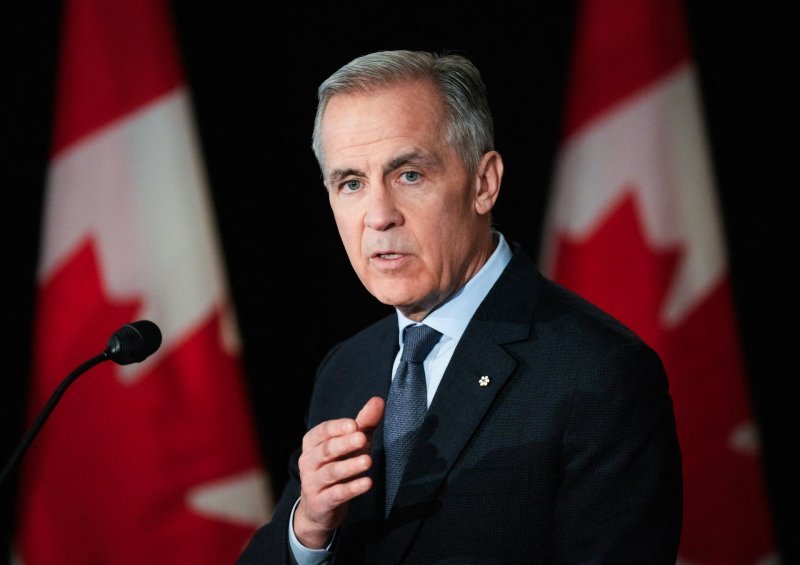
Ottawa, January 27, 2026 – The Europe Today: Canadian Prime Minister Mark Carney on Monday characterized recent threats by U.S. President Donald Trump against Canadian trade as strategic positioning ahead of planned negotiations to review the United States–Mexico–Canada Agreement (USMCA), media reports said.
Carney emphasized that both countries are approaching the upcoming USMCA review — due later this year — with the aim of a “robust review,” asserting that some of Trump’s harsher comments should be understood within the broader context of negotiation dynamics. “The president is a strong negotiator, and some of these comments and positioning should be viewed in the broader context of that,” the prime minister said.
The remarks come after Trump this past weekend threatened to impose 100 percent tariffs on Canadian imports if Canada pursued what the U.S. perceives as an independent trade deal with China — a proposal Ottawa has consistently denied interest in. Carney reiterated that Canada has no intention of signing a comprehensive free trade agreement with Beijing.
Canada’s recent agreement with China, reached during Carney’s mid-January visit to Beijing, focused on limited tariff reductions rather than a full bilateral free trade pact. The arrangement includes cuts to tariffs on specific sectors that had been subject to punitive levies, particularly Chinese electric vehicles (EVs) and a range of Canadian agricultural exports.
Carney highlighted that the China deal was structured to benefit Canadian consumers by making tens of thousands of affordable EVs available in Canada, as part of a controlled tariff schedule with initial annual caps at 49,000 units, scaling up over five years. He also noted that the arrangement could encourage future investment by Chinese automakers in Canada’s domestic auto industry.
The United States has objected to the Canada-China trade arrangement, framing it as potentially undermining U.S. market protections and using Canada as a conduit for Chinese goods. Trump’s tariff threat has stirred broader concerns about North American economic integration and diplomatic relations.
In addition to trade frictions, bilateral ties have been strained by Trump’s controversial geopolitical statements — including proposals about territorial expansions in the Arctic — and a broader rhetorical clash at forums such as the World Economic Forum in Davos, where Carney called for enhanced cooperation among “middle powers” amid global economic uncertainties.
China, for its part, has publicly stated that its trade arrangements with Canada are not targeted at third parties and emphasize mutually beneficial cooperation rather than confrontation with other nations.